

Knee pain can make even the simplest daily activities challenging. Walking, climbing stairs, standing for long periods, and getting up from a chair may become uncomfortable when the knee joint is not functioning properly. While occasional soreness may improve with rest, persistent discomfort often requires a more structured approach to identify the underlying problem and restore normal movement.
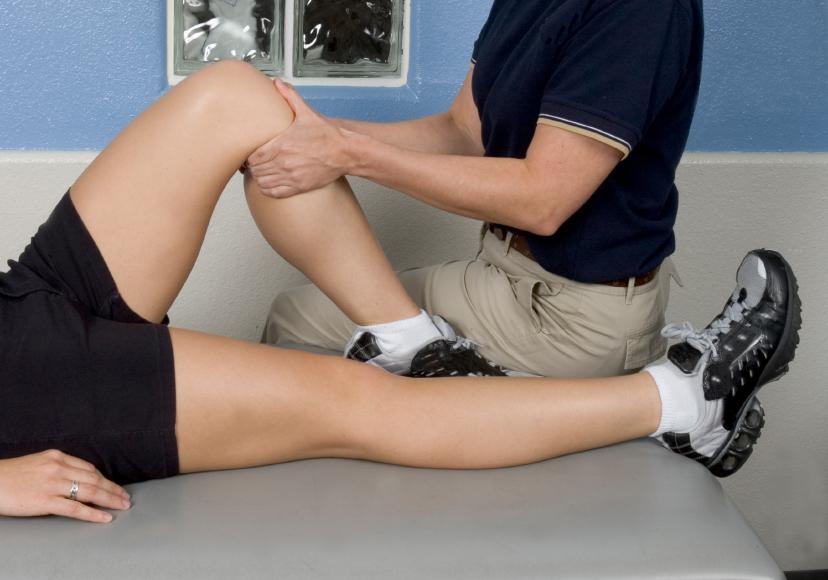
Knee pain physical therapy provides a practical approach to managing discomfort by improving joint mobility, strengthening supporting muscles, and correcting movement limitations. Rather than focusing exclusively on temporary relief, rehabilitation addresses the physical factors that contribute to knee problems. With professional guidance and consistent treatment, individuals can work toward better mobility and greater confidence in their everyday activities.
Understanding the Common Causes of Knee Pain
The knee is a complex joint that depends on bones, cartilage, ligaments, tendons, and surrounding muscles to function properly. Problems affecting any of these structures can interfere with movement and cause discomfort.
Some common causes of knee pain include osteoarthritis, ligament injuries, meniscus tears, tendon irritation, muscle weakness, and overuse. Sports activities involving sudden direction changes, jumping, or running can place considerable stress on the knee. Similarly, repetitive movements and prolonged physical activity may contribute to irritation over time.
Age-related joint changes can also affect flexibility and comfort. However, knee pain is not limited to older adults. People of different ages and activity levels may experience symptoms that interfere with exercise, work, and household responsibilities.
Understanding the source of discomfort is important because different conditions require different treatment approaches. A professional evaluation can help determine which rehabilitation methods are appropriate.
How Physical Therapy Supports Long-Term Knee Pain Relief
Physical therapy focuses on improving the strength, flexibility, and movement patterns needed for healthy knee function. Treatment is adjusted according to the patient's condition, physical abilities, and recovery goals.
Strengthening the Muscles Around the Knee
The quadriceps, hamstrings, gluteal muscles, and calf muscles all contribute to lower-body stability. When these muscles are weak, the knee may experience additional stress during everyday movements.
A physical therapist may recommend exercises such as controlled squats, leg raises, resistance band movements, and supported step exercises. These activities help develop the muscles that support the knee while improving overall lower-body strength.
Exercise intensity should increase gradually. Beginning with movements that match the patient's current abilities can help build strength without placing unnecessary pressure on an already painful joint.
Improving Flexibility and Joint Mobility
Stiffness can make bending and straightening the knee difficult. Restricted movement may also affect walking patterns and make activities such as climbing stairs more demanding.
Stretching and controlled range-of-motion exercises can help improve flexibility in the surrounding muscles and support better joint movement. Therapists may also use appropriate manual therapy techniques when necessary.
Maintaining comfortable movement is particularly important for people who spend extended periods sitting or have reduced activity levels because of knee discomfort.
Improving Balance and Stability
Knee problems can affect balance and coordination, particularly when muscles become weaker or movement is restricted. This may increase difficulty when walking on uneven surfaces, changing direction, or standing on one leg.
Rehabilitation may include supported balance exercises, controlled weight shifting, and functional movement training. These activities help patients improve stability and develop better control over their movements.
The Role of Physical Therapy in Different Knee Conditions
Not every knee problem develops in the same way. Treatment should reflect the specific condition rather than relying on a general exercise routine.
Knee Osteoarthritis
Osteoarthritis involves changes in the joint that may cause pain, stiffness, and reduced mobility. Physical therapy can help individuals maintain strength and improve the way they move despite these changes.
Low-impact activities, controlled strengthening exercises, and flexibility training may form part of an appropriate treatment program. The aim is to support daily function and help patients remain as active as their condition allows.
Sports-Related Knee Injuries
Athletes and recreational sports participants may experience knee injuries involving ligaments, tendons, or cartilage. Rehabilitation often focuses on restoring strength, movement control, and coordination.
Returning to sports should be gradual. Patients may need to demonstrate adequate strength, balance, and functional movement before resuming activities that involve running, jumping, or rapid changes in direction.
Recovery After Knee Surgery
Procedures such as knee replacement and ligament reconstruction often require structured rehabilitation. Patients may initially experience swelling, stiffness, weakness, and difficulty walking.
A physical therapist can introduce suitable exercises as recovery progresses. Treatment may focus on improving range of motion, rebuilding muscle strength, and gradually restoring independence with everyday activities.
Daily Habits That Help Protect Knee Health
Physical therapy appointments are important, but daily habits also influence long-term knee function. Small adjustments can help patients maintain their progress and avoid unnecessary strain.
Consider the following practical recommendations:
-
Choose appropriate activities: Walking, swimming, and stationary cycling may offer lower-impact exercise options when suitable for your condition.
-
Maintain muscle strength: Follow recommended strengthening exercises to support the knee and surrounding joints.
-
Avoid sudden increases in activity: Increase exercise duration and intensity gradually rather than immediately returning to demanding routines.
-
Wear suitable footwear: Comfortable, supportive shoes can help improve stability during walking and exercise.
-
Follow recovery instructions: Avoid exercises or movements that your healthcare professional has advised against.
It is also important to pay attention to changes in symptoms. New swelling, knee instability, locking, or worsening pain should be discussed with a healthcare professional. Sudden severe pain or an inability to bear weight requires prompt medical assessment.
Choosing the Right Physical Therapy Provider
Selecting a rehabilitation provider is an important part of managing persistent knee discomfort. Patients should look for qualified professionals who understand orthopedic conditions and can develop treatment plans based on individual needs.
Before beginning treatment, consider whether the clinic offers detailed physical assessments, personalized exercise programs, regular progress evaluations, and clear communication. It is also helpful to ask how treatment goals are established and how exercises will change as strength and mobility improve.
For residents of Woodstock and nearby communities, convenient access to appointments can make it easier to remain consistent with rehabilitation. A clinic that understands individual recovery requirements can help patients make informed decisions about their treatment.
For those exploring local rehabilitation options, FYZICAL Therapy and Balance Centers - Hickory Flat is a provider to consider when researching physical therapy services. Discussing your symptoms, treatment needs, and recovery goals with the clinic can help you determine whether its services are appropriate for your situation.
Building a Stronger Foundation for Long-Term Knee Health
Managing knee pain requires patience, consistency, and an approach that addresses more than immediate discomfort. Physical therapy can help improve muscle strength, joint mobility, balance, and movement control while supporting a gradual return to everyday activities. If knee discomfort is affecting your ability to walk, exercise, or enjoy daily life, consider scheduling an evaluation with a qualified physical therapist to explore suitable treatment options and take the next step toward healthier, more comfortable movement.


