
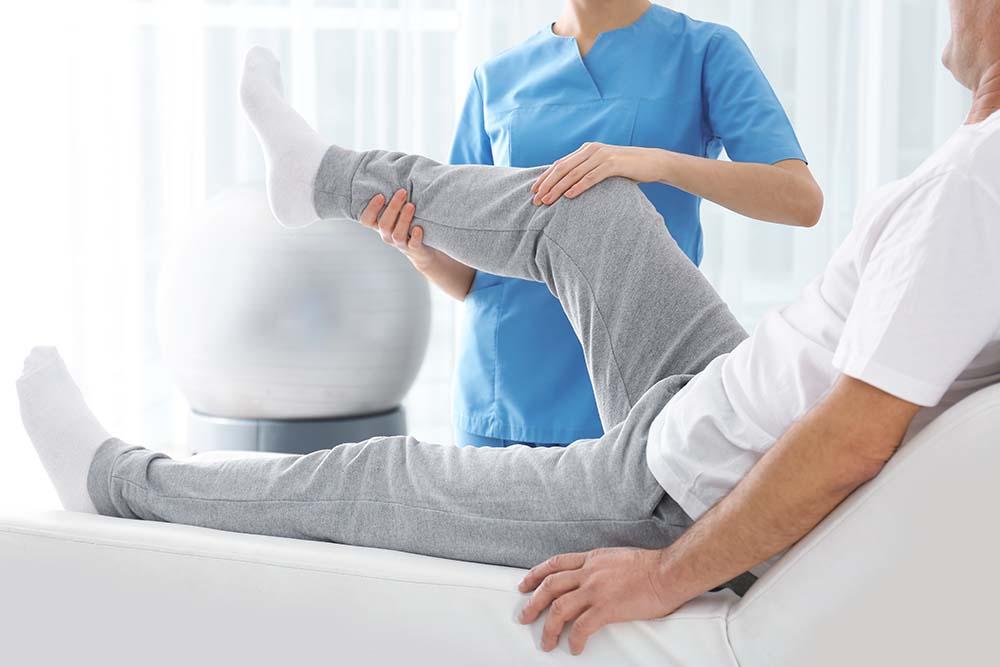
Recovering From Sports Injuries With Expert Physical Therapy in Woodstock

Sports injuries can interrupt more than athletic performance. A strained muscle, injured ligament, painful joint, or damaged tendon can make everyday activities such as walking, climbing stairs, and carrying groceries uncomfortable. Whether someone participates in competitive sports, exercises regularly, or enjoys recreational activities, an unexpected injury can affect physical confidence and daily routines. Recovering properly requires more than waiting for pain to disappear. It involves restoring strength, improving movement, and preparing the body to handle physical demands again.
Working with an orthopedic physical therapist in Woodstock can help injured individuals follow a structured recovery plan based on their condition, physical abilities, and activity goals. Professional physical therapy focuses on improving mobility, rebuilding muscle strength, correcting movement limitations, and reducing the risk of future injuries. Understanding the rehabilitation process can help athletes and active individuals make better decisions about their recovery.
Understanding Common Sports Injuries
Sports injuries can develop suddenly through accidents or gradually because of repeated stress on muscles and joints. The type and severity of an injury determine the treatment approach and recovery timeline.
Some common conditions addressed through sports injury rehabilitation include:
-
Muscle strains: Overstretching or tearing muscle fibers can cause pain, swelling, and reduced strength.
-
Ligament sprains: These injuries affect the tissues connecting bones and may create joint instability.
-
Tendon injuries: Repetitive movements can irritate tendons and cause persistent discomfort.
-
Knee injuries: Meniscus damage, ligament injuries, and kneecap problems can interfere with running, jumping, and walking.
-
Shoulder injuries: Rotator cuff problems and shoulder strains may limit lifting, throwing, and overhead movements.
-
Ankle injuries: Sprains and instability can affect balance, coordination, and weight-bearing activities.
Recognizing the nature of an injury is important because continuing physical activity without appropriate treatment may aggravate symptoms and delay recovery.
How Physical Therapy Supports Sports Injury Recovery
Physical therapy provides a structured approach to restoring physical function after an injury. Instead of concentrating exclusively on pain, rehabilitation addresses the strength, flexibility, coordination, and stability required for safe movement.
Restoring Strength and Muscle Function
Muscle weakness frequently develops after an injury, particularly when an individual reduces physical activity to avoid discomfort. Weak muscles may place additional stress on surrounding joints and affect normal movement patterns.
A physical therapist may introduce progressive strengthening exercises to target affected muscles and supporting muscle groups. Depending on the injury, treatment could involve resistance bands, bodyweight exercises, controlled movements, or functional strengthening activities.
The intensity should increase gradually as strength and tolerance improve. This helps patients rebuild physical capacity without placing unnecessary pressure on recovering tissues.
Improving Flexibility and Joint Mobility
Restricted movement is another common challenge during recovery. Joint stiffness and tight muscles can make bending, reaching, turning, and walking difficult.
Rehabilitation may include stretching, mobility exercises, and appropriate manual therapy techniques. These methods can help improve the available range of motion and make everyday movements more comfortable.
For athletes, restoring flexibility is particularly important because many sports involve quick changes in direction, repetitive movements, and coordinated muscle activity.
Developing Balance and Coordination
An injury can affect the body's ability to maintain stability, particularly when the affected area involves the ankle, knee, or hip. Balance training helps patients improve body awareness and control during movement.
Exercises may include single-leg standing, controlled weight shifting, stability activities, and movement drills. These exercises can prepare individuals for more demanding activities while improving confidence during everyday movement.
The Importance of a Personalized Rehabilitation Plan
No two sports injuries are exactly alike. Recovery depends on factors such as injury severity, age, physical conditioning, previous injuries, and the type of activity a person wants to resume.
Starting With a Thorough Assessment
A rehabilitation program generally begins with an evaluation of the affected area, movement patterns, muscle strength, flexibility, and functional limitations. The therapist may also review medical history and any recommendations provided by the treating physician.
This assessment helps identify the areas that need attention and establishes realistic recovery goals. Someone recovering from a knee injury may need to improve leg strength and joint stability, while an individual with a shoulder injury may require better upper-body mobility and muscular control.
Progressing Toward Normal Activities
Recovery should follow a gradual progression. Patients may begin with gentle mobility exercises before advancing to strengthening, balance training, and sport-specific movements.
For example, a runner recovering from an ankle injury may initially focus on comfortable walking and ankle mobility. Later stages might include controlled jogging, directional changes, and running drills, depending on clinical progress.
Returning to sports too early is a common mistake. Pain reduction alone does not necessarily mean that strength, coordination, and stability have fully recovered.
Preventing Future Sports Injuries
Effective rehabilitation should also address factors that may contribute to recurring injuries. Poor movement mechanics, inadequate conditioning, muscle imbalances, and sudden increases in training intensity can all place additional stress on the body.
Athletes can support long-term physical health by developing consistent exercise habits. A suitable warm-up before activity, regular strength training, appropriate footwear, and sufficient recovery between demanding sessions can help manage physical stress.
It is also important to increase training intensity gradually. Individuals who suddenly increase running distance, lifting weights, or practice frequency may place more demands on their bodies than their current conditioning can support.
Physical therapists can provide movement education and exercise recommendations that help patients understand their physical limitations and make safer training decisions.
Choosing the Right Physical Therapy Provider in Woodstock
Selecting a rehabilitation provider is an important decision, particularly when an injury affects athletic participation or everyday independence. Patients should look for a practice that takes time to understand their condition and provides clear explanations of treatment options.
Consider the following factors before beginning treatment:
-
Relevant experience: Ask about experience treating your specific injury or orthopedic condition.
-
Individualized treatment: Exercises and treatment methods should reflect your recovery needs.
-
Progress evaluations: Regular assessments help determine whether your rehabilitation plan needs adjustments.
-
Clear communication: You should understand your exercises, recovery goals, and activity restrictions.
-
Functional training: Treatment should prepare you for the actual movements required by your daily routine or sport.
Residents of Woodstock, GA, may also benefit from considering their preferred sports and recreational activities when discussing recovery goals. A rehabilitation plan should reflect the movements and physical demands they eventually hope to resume.
For individuals exploring professional rehabilitation options, FYZICAL Therapy and Balance Centers - Woodstock is a local provider to consider when researching physical therapy for orthopedic conditions and movement limitations. Discussing your injury, activity goals, and treatment expectations with a qualified professional can help determine an appropriate path forward.
Recovering from a sports injury requires patience, consistency, and a well-planned approach to physical rehabilitation. With appropriate guidance, targeted strengthening, mobility exercises, and gradual activity progression, individuals can work toward restoring movement and rebuilding confidence. If an injury is keeping you away from the activities you enjoy, consider arranging a professional physical therapy evaluation to understand your recovery options and take the next step toward moving comfortably again.


