
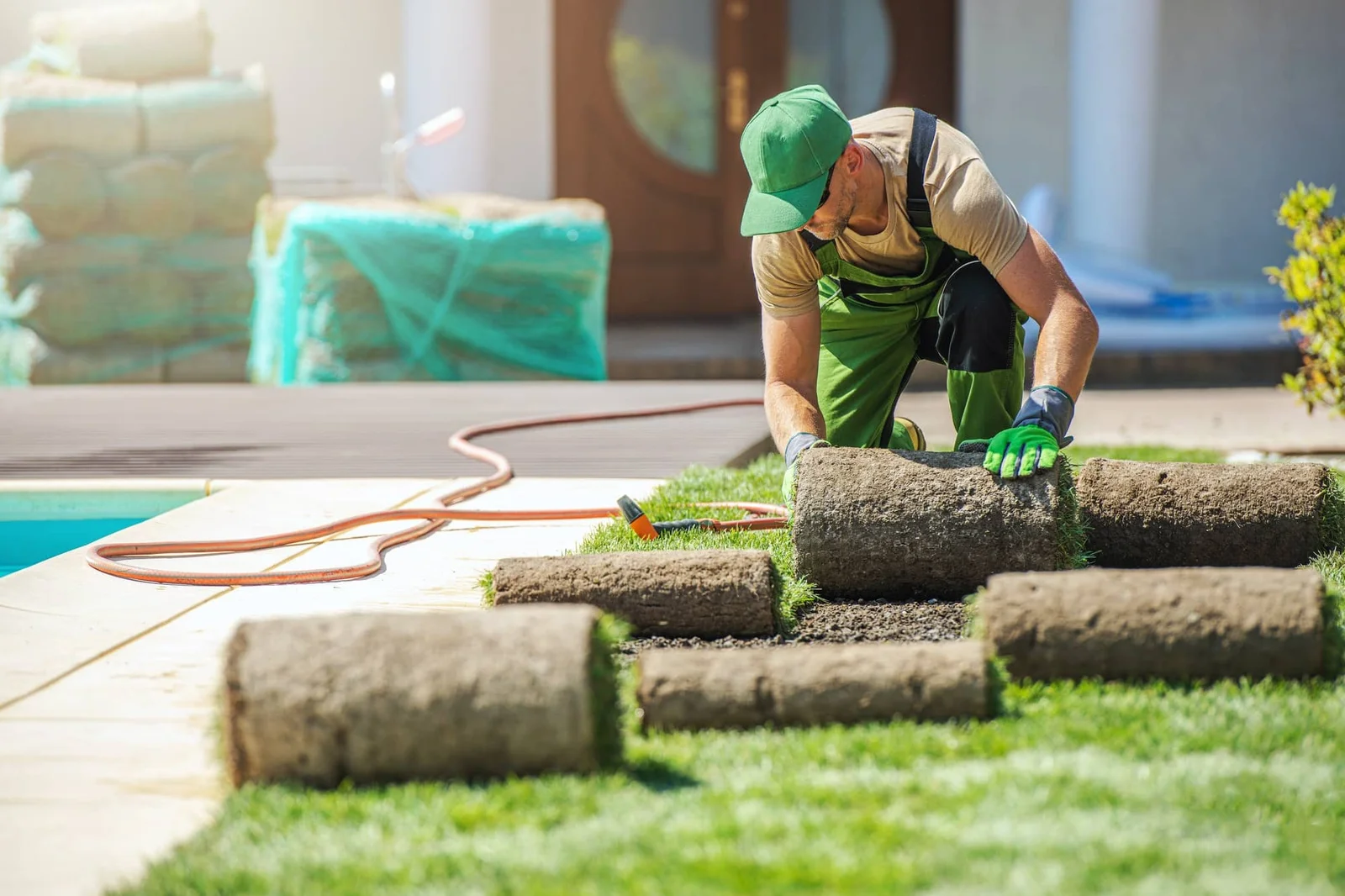

A beautiful outdoor space does not happen by accident. Behind an attractive garden, welcoming patio, or well-organized backyard is a carefully planned installation process that brings different landscape elements together. Proper preparation, suitable materials, healthy plants, and professional workmanship all contribute to an outdoor environment that looks appealing and performs well over time.
Investing in landscape installation in Austin allows homeowners to turn unused or poorly arranged outdoor areas into functional spaces that complement their homes. Whether the goal is to improve curb appeal, create an outdoor entertainment area, or establish a low-maintenance garden, the quality of installation plays an important role in the final result. Understanding the essential steps can help property owners make better decisions and avoid common landscaping problems.
1. Proper Site Preparation Creates a Strong Foundation
Before installing plants, patios, walkways, or other landscape features, the property needs to be properly evaluated and prepared. Skipping this stage can lead to uneven surfaces, poor plant growth, drainage problems, and premature damage to installed features.
A professional assessment typically considers the existing soil, ground elevation, sunlight exposure, vegetation, and available space. These details help determine which improvements are suitable for the property.
Soil Preparation and Ground Conditions
Soil quality influences how well plants establish their roots and access nutrients. Some areas may have compacted soil, limited organic matter, or drainage conditions that require attention before planting.
Depending on the property's needs, preparation may involve removing unwanted vegetation, loosening compacted soil, incorporating appropriate soil amendments, and establishing suitable planting areas.
Proper grading is equally important. The ground should be shaped to support intended water movement and reduce the risk of standing water near the home or outdoor structures.
2. Selecting Plants That Thrive in Austin's Climate
Austin's climate presents particular challenges for residential landscaping. Hot summers, periods of limited rainfall, and changing seasonal conditions can affect plant health and maintenance requirements.
Choosing plants based only on their appearance can create problems later. Homeowners should consider heat tolerance, water requirements, mature size, sunlight needs, and soil compatibility before making selections.
Using Native and Drought-Tolerant Plants
Native and climate-adapted plants can be valuable additions to Austin landscapes. Options such as Texas sage, Gulf muhly grass, blackfoot daisy, and inland sea oats offer different colors, textures, and growing characteristics.
These plants should still be matched to the conditions of individual planting locations. A plant suited to a sunny, well-drained area may not perform equally well in a shaded section with different soil moisture.
Planning Plant Placement
Plant spacing is another important consideration. Installing shrubs too close together can restrict airflow and create overcrowding as they mature. Trees also need sufficient room for their roots and branches to develop.
A well-planned planting arrangement considers the mature dimensions of each species rather than focusing only on how the garden looks immediately after installation.
3. Installing Hardscape Features for Better Functionality
Hardscaping introduces structure and usability into outdoor environments. It includes patios, walkways, retaining walls, steps, decorative stonework, and other nonliving landscape features.
When installed correctly, these elements help organize outdoor areas and make properties easier to navigate. They can also create attractive transitions between lawns, gardens, and entertainment spaces.
Choosing the Right Materials
Material selection should reflect the property's architectural style, intended use, and maintenance expectations. Concrete pavers are available in different shapes and finishes, while natural stone offers distinctive patterns and textures.
Decorative gravel may suit certain garden areas, whereas properly finished concrete can provide a clean appearance for contemporary designs.
Homeowners should compare the following factors before selecting materials:
-
Durability under regular outdoor use.
-
Slip resistance and surface comfort.
-
Cleaning and maintenance requirements.
-
Installation and replacement costs.
-
Compatibility with surrounding landscape features.
The cheapest material is not always the most economical choice over time. Quality and suitability should remain important parts of the decision.
4. Improving Drainage Through Thoughtful Installation
Drainage is one of the most important aspects of a successful landscape installation. Poor water management can cause soil erosion, standing water, damaged planting beds, and moisture-related problems around foundations.
Austin properties can have different drainage challenges depending on their elevation, soil composition, existing structures, and yard layout. A professional should evaluate how rainwater moves across the property before installing new features.
Preventing Water-Related Problems
Grading adjustments, drainage channels, suitable soil preparation, and properly positioned downspouts may help address specific drainage concerns.
Retaining walls can also be useful for properties with elevation changes, but they require appropriate construction and drainage planning. Without proper water management behind the wall, pressure can contribute to structural problems.
Homeowners should avoid covering drainage issues with decorative materials or new planting beds. Addressing the underlying cause is generally more effective than repeatedly repairing visible damage.
5. Creating Comfortable Outdoor Living Areas
A properly installed landscape can extend the usable living space of a home. Instead of treating the backyard as an area that only requires lawn maintenance, homeowners can create dedicated spaces for relaxation, dining, and entertainment.
Patios are a popular starting point because they provide a stable surface for outdoor furniture and gatherings. Pergolas, seating areas, outdoor kitchens, and decorative pathways can further improve the property's functionality.
Planning for Everyday Use
Before installation begins, consider how much space each activity requires. An outdoor dining area needs enough room for furniture and movement, while a family garden may benefit from open lawn space.
Shade is particularly valuable during Austin's warmer months. Trees and pergolas can make seating areas more comfortable when positioned according to sunlight exposure.
Accessibility should also be considered. Walkways should connect important areas without creating unnecessary obstacles, and changes in elevation should be handled carefully to support safe movement.
6. Incorporating Outdoor Lighting and Irrigation
Lighting and irrigation are often overlooked during landscape planning, even though both influence how well an outdoor environment functions after installation.
Outdoor lighting can improve visibility around entrances, steps, pathways, and seating areas. Accent fixtures can also highlight trees, garden features, and architectural details.
LED lighting is worth considering for residential landscapes because it offers an energy-conscious option for outdoor illumination. Fixture placement should provide useful visibility without creating excessive glare.
Irrigation planning is equally important. Drip irrigation can deliver water directly to plant root zones, while properly arranged irrigation zones help accommodate plants with different watering requirements.
A well-designed irrigation system can make routine maintenance easier and help prevent unnecessary water waste.
7. Reducing Maintenance Through Smart Landscape Planning
A landscape should be designed around the homeowner's maintenance preferences. Some people enjoy gardening and seasonal planting, while others prefer an outdoor environment that requires less frequent attention.
Plant selection, lawn size, garden layout, and material choices all influence ongoing maintenance.
For example, grouping plants with similar watering requirements can simplify irrigation. Mulch helps manage weeds and retain soil moisture, while appropriately spaced plants may reduce the need for frequent trimming.
Homeowners should also account for seasonal pruning, irrigation inspections, surface cleaning, and general garden care. Discussing these responsibilities before installation helps prevent unexpected maintenance demands.
8. Choosing an Experienced Landscape Installation Professional
The quality of installation depends on more than the appearance of the finished project. Property owners should evaluate a contractor's experience, preparation methods, material recommendations, communication, and approach to drainage and plant selection.
Requesting a detailed project estimate can clarify the expected work, materials, preparation requirements, and installation stages. Reviewing previous projects can also help homeowners understand a professional's design approach and workmanship.
For Austin property owners researching outdoor improvements, Transformed Landscaping Co. is a business worth considering when exploring professional landscape installation options. Discussing the property's existing conditions, preferred features, budget, and long-term goals can help determine an appropriate direction for the project.
Conclusion: Build an Outdoor Space That Lasts
Proper landscape installation combines thoughtful planning, quality materials, suitable plants, and careful workmanship to create an outdoor environment that is both attractive and functional. For Austin homeowners, paying attention to climate conditions, drainage, soil preparation, and maintenance can make a meaningful difference in long-term landscape performance. Before starting your next project, evaluate your property's needs, establish clear priorities, and consult an experienced landscaping professional to create an outdoor space that enhances your home and supports your lifestyle for years to come.


