
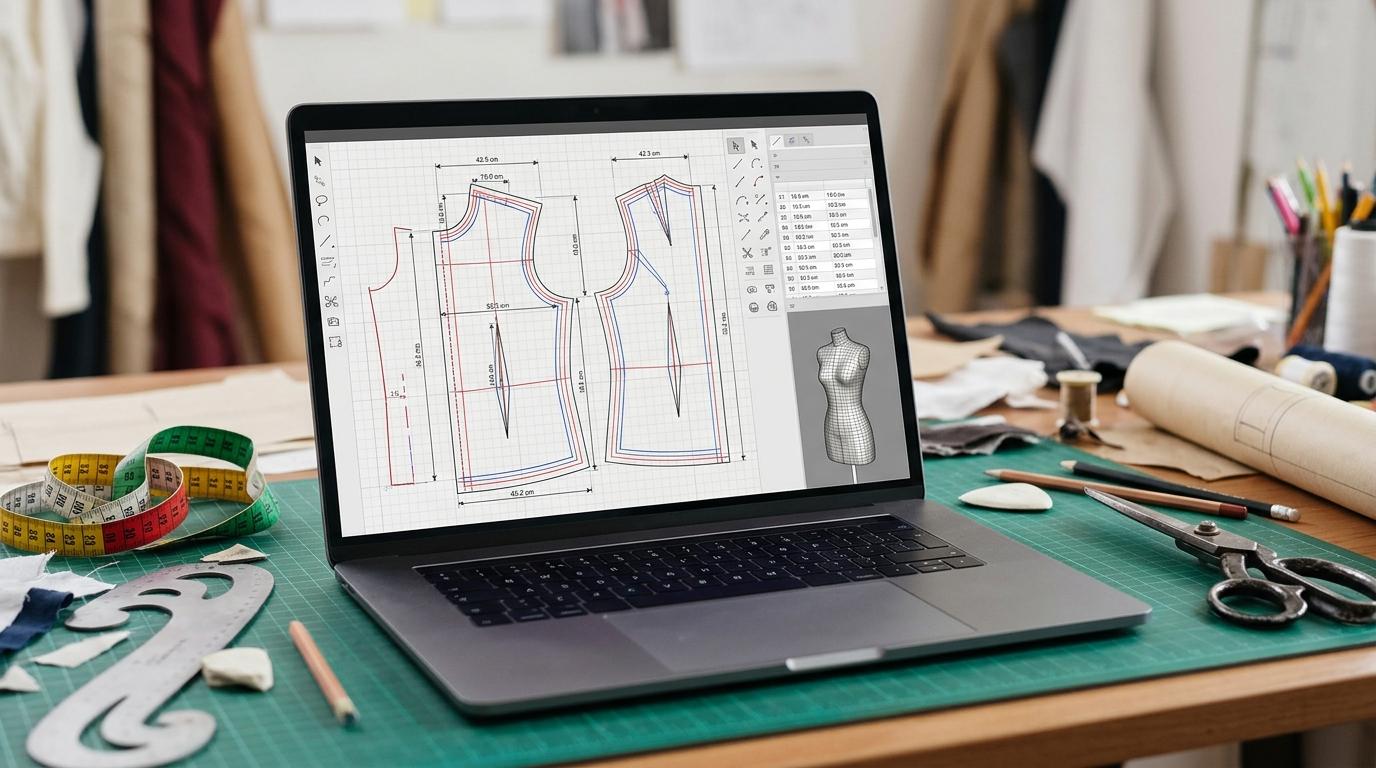

Making clothes that fit properly has always required patience, accurate measurements, and a good understanding of garment construction. Even a small difference in body measurements can change how a finished garment looks and feels. This is one reason digital pattern-making tools are becoming useful in modern sewing. They give users another way to create patterns without relying entirely on fixed commercial sizes.
A Custom Sewing Live Pattern Generator brings measurements and pattern design into one digital process. Users can enter personal measurements, adjust design features, and view changes as they work. This approach can make pattern development easier to manage, particularly for people who want more control over garment shape and fit. However, good results still depend on accurate measurements, suitable drafting methods, and practical fitting checks.
Personal Measurements Give Custom Patterns a Better Starting Point
Standard sewing patterns usually follow a fixed size chart. These charts work for many projects, but real body proportions are not always consistent with standard sizing. A person may need a larger waist measurement but a smaller shoulder width. Another may require extra length through the back or a different sleeve shape.
Digital pattern creation offers a way to work around some of these differences. Instead of selecting one standard size, users can enter individual measurements and use them to develop a suitable pattern. This makes custom garment patterns useful for projects where fit matters more than following a ready-made size.
Accurate Measurements Shape the Drafting Process
Every successful pattern begins with reliable measurements. The exact measurements depend on the garment, but common examples include bust, waist, hips, shoulder width, arm length, and body length. More detailed garments may require additional measurements around the neck, back, or upper arm.
Measurements should be taken with care and recorded consistently. A measuring tape that is too tight can produce a smaller pattern than required. Likewise, an incorrectly measured shoulder width may affect the position of sleeves and armholes. Following clear measuring instructions helps reduce these problems.
Another important detail is wearing ease. This is the extra space between the body and the garment. A fitted top needs less ease than a loose jacket. The fabric also matters because woven cotton, stretch jersey, and heavier materials behave differently. A good pattern must account for both body measurements and the intended garment.
Turning Measurements Into Pattern Pieces
Once the measurements are entered, pattern drafting software uses selected rules to create garment shapes. These rules help determine the dimensions and curves needed for different sections. A basic shirt, for example, may require front and back bodice pieces, sleeves, and a collar.
The system may generate separate pieces with lines, markings, and measurements. Some platforms allow users to change these shapes, while others provide a more limited set of options. Understanding these differences is important before starting a detailed sewing project.
Live Editing Makes Pattern Adjustments Easier to Manage
One of the useful features of a Custom Sewing Live Pattern Generator is the ability to review design changes during the drafting process. Traditional paper drafting often involves drawing new lines, changing measurements, and checking proportions by hand. Digital editing can reduce some of this repeated work.
For example, a user creating a casual shirt may want wider sleeves, a longer body, or a different neckline. With suitable editing controls, these changes can be made directly within the design. The updated pattern can then be reviewed before moving to fabric preparation.
Changing Garment Details Without Starting Again
Small design changes can have an effect on several parts of a garment. Increasing sleeve width may affect the armhole. Changing the neckline can require adjustments to the front and back pieces. These details need attention because pattern pieces must fit together during construction.
Live pattern editing for sewing projects helps users review these changes as they happen. Depending on the software, the system may update related pattern sections automatically. Other tools may require users to adjust connected pieces themselves.
This is particularly useful when developing a design through several versions. A user can compare different sleeve lengths, waist shapes, or garment proportions before choosing a final version. Saving separate drafts also helps prevent earlier work from being lost.
Reviewing the Design Before Cutting Fabric
Cutting fabric is an important stage because mistakes can waste material and time. A pattern should therefore be checked before scissors touch the fabric. Digital previews can help users notice incorrect proportions, missing sections, or unsuitable design choices.
Consider someone preparing a fitted dress. They may want to change the waist position or adjust the skirt length. Reviewing the pattern first gives them a chance to consider how these changes affect the overall shape.
However, a digital preview cannot show every detail of the finished garment. It does not fully represent fabric movement, drape, or comfort. A physical test garment is still useful, particularly for fitted clothing and complicated designs.
Different Digital Pattern Tools Suit Different Sewing Needs
Not every sewing project requires advanced drafting software. Someone making a simple skirt may only need a basic template and a few measurement changes. A person creating fitted jackets or unusual garment shapes may need more detailed controls.
Digital sewing patterns can provide a convenient starting point, especially for people who prefer working with prepared designs. More advanced pattern drafting software may offer greater control over measurements, curves, and individual pattern pieces. The right choice depends on the user's experience and the level of detail required.
Standard Templates Compared With Custom Pattern Generation
Standard templates are generally built around prepared sizes and existing designs. They can save time because users do not need to draft every section themselves. However, changes may be necessary when the wearer's measurements differ from the supplied size chart.
Custom templates offer more flexibility. Users can start with an existing design and adjust selected areas to suit their needs. This can be useful when making repeated garments with similar shapes.
A live generator takes a more interactive approach. It may allow users to enter measurements and change selected design features while viewing the pattern. The amount of control varies between platforms, so users should check the available functions rather than assuming every tool works in the same way.
Features That Matter When Selecting Pattern Software
The number of available features does not always determine how useful a tool will be. Clear instructions and reliable pattern output are often more important than complicated editing options.
Before choosing a platform, consider these points:
-
Measurement options: Does it support the measurements required for the intended garment?
-
Editing controls: Can users adjust lengths, widths, necklines, and other design details?
-
Pattern markings: Are notches, grainlines, seam lines, and labels clearly displayed?
-
File formats: Can users save or export patterns in practical formats?
-
Printing support: Does the software explain page sizes and print scaling?
-
Learning resources: Are there instructions for measuring, drafting, and preparing patterns?
These features can help users avoid problems later in the sewing process. Someone new to drafting may prefer a simple interface with clear guidance. Experienced pattern makers may value more detailed editing options and control over individual pieces.
Preparing Digital Patterns for Accurate Sewing Results
Generating a pattern is not the final stage of garment preparation. Users must still review the pattern pieces, confirm their dimensions, and make sure the design suits the chosen material. These checks help prevent avoidable problems during construction.
People learning how to create custom sewing patterns online should understand the difference between a digital design and a finished sewing pattern. A pattern needs suitable markings, correct dimensions, and clear construction details before it can be used successfully.
Printing and Checking the Pattern
Some platforms provide printable files, while others support digital pattern layouts. When printing is available, users should follow the supplied page and scaling instructions. Automatic printer settings can sometimes resize a document and change the pattern dimensions.
A printed test square is useful for checking scale. Users can measure it against the stated dimensions before printing the complete pattern. They should also check that all pattern sections are present and that the markings remain clear.
Seam allowances need attention as well. Some patterns include them, while others provide stitching lines without extra cutting space. Users should check this before cutting fabric. Grainlines, notches, and matching points should also be visible and correctly placed.
Why Fabric Choice and Test Fittings Matter
A pattern does not behave independently of its fabric. Cotton, denim, linen, and stretch materials have different properties. A design drafted for a stable woven fabric may require changes when used with a stretchy material.
A test garment helps reveal issues before the final fabric is used. It can show whether the shoulders sit correctly, whether the waist feels comfortable, and whether the sleeves allow enough movement.
Users can mark areas that need adjustment and transfer those changes to the original pattern. This process is especially helpful for fitted dresses, trousers, jackets, and other garments where small measurement differences can affect comfort.
Finding Suitable Support for Your Pattern-Making Project
Choosing a digital tool is easier when users first understand what they want to make. A simple garment may only require basic measurement controls. More detailed projects may need advanced drafting functions, export options, and guidance on pattern construction.
Before selecting a platform, review its instructions and supported garment types. Check whether it produces downloadable sewing patterns for custom fit or only allows patterns to be viewed online. This distinction matters when users want to print, store, or edit their work later.
People working on complex designs may also benefit from advice from an experienced pattern maker. Professional guidance can help with unusual proportions, fitted garments, and complicated construction details. It can also help users understand why certain adjustments are needed.
The most suitable option is one that matches the project rather than simply offering the largest number of features. Clear measurement instructions, understandable editing controls, and useful output files make the process easier to manage. With the right preparation, digital tools can become a practical part of everyday sewing work.
Conclusion
Digital pattern generation provides another way to approach garment design and personal fit. It brings measurements, drafting, and design adjustments into a connected process. Users can work beyond fixed size charts, review changes, and prepare patterns for different sewing projects. Still, accurate measurements, suitable fabric choices, and physical fitting checks remain essential. The strongest results come from combining digital tools with a clear understanding of how garments are measured, shaped, and constructed.
Frequently Asked Questions
1. What does a live sewing pattern generator do?
It creates digital sewing patterns using measurements and selected design details. Some platforms also allow users to see pattern changes while editing.
2. Can beginners create their own sewing patterns digitally?
Yes. Beginners can start with simple garment designs and follow the platform's measuring and drafting instructions. Basic sewing knowledge is still helpful.
3. Are custom digital patterns more accurate than standard patterns?
They can offer a closer starting point because they use personal measurements. However, accuracy depends on correct measurements, drafting rules, and fitting adjustments.
4. Can I edit a pattern after generating it?
This depends on the software. Some platforms support changes to garment lengths, widths, and design features, while others offer limited editing.
5. Should I test a generated pattern before sewing?
Yes. A test garment helps identify fitting problems and construction issues before cutting the final fabric.


