
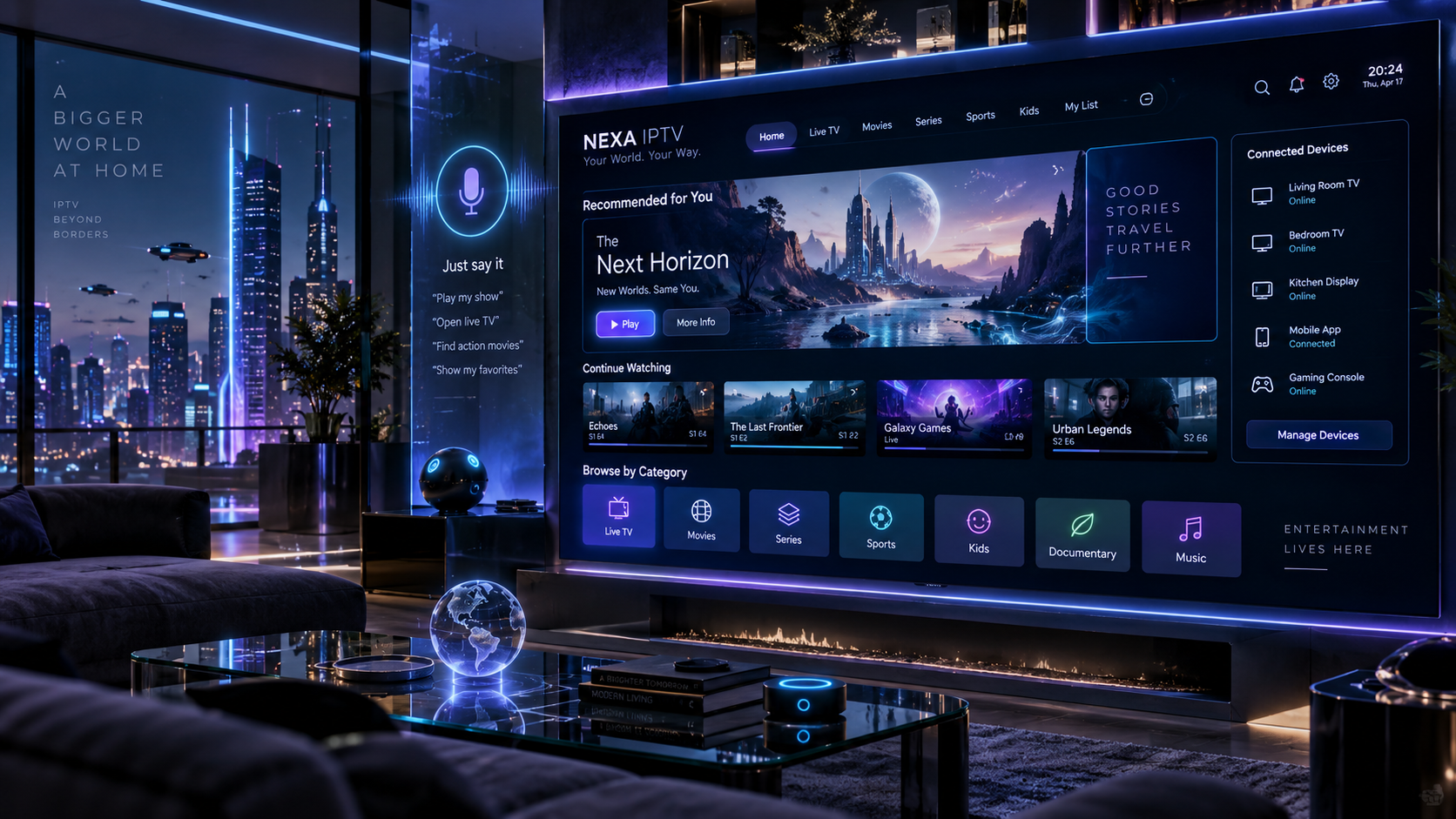
Will Interactive Television Change How Audiences Experience Live Entertainment?

Television has traditionally been a one-way entertainment medium. Viewers watch programmes, follow live broadcasts, and enjoy performances without directly influencing what happens on screen. However, advances in internet connectivity, smart television technology, and digital platforms are gradually changing this relationship. Modern audiences increasingly expect more than passive viewing, particularly when watching live sports, concerts, competitions, and other shared events.
Interactive features are creating opportunities for viewers to participate in entertainment while it is happening. From live polls and audience reactions to alternative camera angles and real-time statistics, television is becoming a more engaging experience. Although these developments are still evolving, they could influence how audiences connect with live entertainment in the years ahead.
What Is Interactive Television?
Interactive television refers to technology that allows viewers to engage with television content through actions beyond simply watching. Depending on the platform, these interactions may include selecting additional information, voting in live polls, responding to questions, accessing supplementary content, or choosing different viewing perspectives.
The concept is not entirely new. Some television services have experimented with interactive menus, digital voting, and additional programme information for years. However, faster internet connections and more capable smart televisions have made it easier to introduce these features into modern entertainment.
The development of interactive media also creates new possibilities for combining traditional broadcasts with digital participation. Instead of treating viewers as a passive audience, broadcasters and entertainment platforms can offer ways to become involved in the experience.
How Interactive Features Could Transform Live Sports
Live sports are among the strongest candidates for interactive television because audiences often want additional information while following a match or competition.
Real-Time Statistics and Match Information
Sports viewers frequently look for details beyond the main broadcast. They may want to check possession percentages, player statistics, team formations, recent results, or performance comparisons.
Interactive television could make this information available through optional on-screen panels. Rather than searching on a separate device, viewers could access relevant statistics without leaving the live programme.
For example, someone watching a football match might select a player to view their recent performance or check how the team's formation has changed during the game.
Multiple Camera Angles
Some sporting events use several cameras to capture different parts of the action. Interactive platforms can potentially allow viewers to select a preferred angle, such as a wide stadium view, a close-up camera, or a tactical perspective.
This flexibility may appeal to audiences who want greater control over how they follow an event. However, the availability of alternative angles depends on broadcasting rights, production resources, and the capabilities of the television platform.
Audience Polls and Predictions
Live polls can encourage viewers to participate during a match. Broadcasters might ask audiences to predict the result, select the most influential player, or share opinions about a particular moment.
These features can create a sense of shared participation, although they should remain optional so that viewers who prefer a traditional broadcast can enjoy the event without interruption.
Interactive Concerts and Live Performances
Music and entertainment events could also benefit from interactive television. Concert audiences often enjoy feeling connected to performers and other fans, even when watching remotely.
Choosing What to Watch
Some live performances could offer multiple video feeds, allowing viewers to choose between a main stage camera, close-ups of individual performers, or wider views of the venue.
For events with several stages, an interactive interface might also help audiences move between performances. This could be particularly useful for music festivals and multi-stage entertainment programmes.
Participating in Live Decisions
Certain performances may include audience voting or requests. Viewers could vote for a song, select an encore option, or contribute to a programme decision through a connected television interface.
These features would need careful planning to avoid disrupting the performance. Nevertheless, they could make remote audiences feel more involved in selected live events.
The Technology Behind Interactive Television
Several technologies work together to make interactive viewing possible. Internet connectivity allows television platforms to exchange information with online services, while smart TV operating systems provide the interface through which viewers access additional features.
Other important components include:
-
Cloud infrastructure: Helps process audience responses and deliver supplementary information.
-
Content delivery networks: Distribute video and related data to viewers across different locations.
-
Smart TV applications: Provide menus, controls, polls, and additional programme features.
-
Low-latency streaming: Helps reduce delays between live events and what audiences see on their screens.
-
Connected devices: Smartphones and tablets can sometimes serve as secondary controls or participation tools.
The effectiveness of these technologies depends on how well they work together. A feature may be technically impressive, but it will not provide a satisfying experience if the interface is difficult to use or responses arrive too slowly.
Challenges That Could Limit Adoption
Despite its potential, interactive television faces several practical challenges. Broadcasters and technology providers must consider whether additional features genuinely improve the experience or simply add unnecessary complexity.
Internet Speed and Streaming Delays
Interactive features often rely on a continuous internet connection. If the connection is unstable, supplementary information may load slowly, polls may fail to register, or alternative video feeds may become difficult to access.
Live events also create a timing challenge. Even a short delay can affect audience participation when viewers are responding to events as they happen.
Interface Design and Accessibility
A television interface needs to remain easy to navigate, especially for viewers using remote controls rather than touchscreens. Too many menus, notifications, or on-screen elements can distract from the main programme.
Designers should also consider accessibility. Clear text, readable layouts, simple navigation, and support for different interaction methods can make interactive features more useful to a wider audience.
Privacy and Data Protection
Some interactive features collect information about viewer preferences, participation, or account activity. Platforms need to explain what information they collect and how it is used.
Viewers should have clear privacy options, while providers should apply appropriate security measures to protect personal information. Participation should not require unnecessary data sharing.
Will Interactive Television Replace Traditional Viewing?
Interactive television is unlikely to replace conventional broadcasting completely. Many people enjoy watching live entertainment without needing to vote, select camera angles, or explore additional information. For them, a straightforward broadcast remains convenient and enjoyable.
A more realistic possibility is a combination of traditional and interactive viewing. Audiences could choose whether to activate additional features depending on the programme, their interests, and the devices they use.
This approach would allow broadcasters to serve different preferences without making participation compulsory. A sports fan might use live statistics during a match, while another viewer could simply watch the main broadcast.
What Could the Future Look Like?
As smart television platforms develop, interactive features may become more closely integrated with live programming. Improvements in streaming technology could support faster responses, while better interfaces may make additional controls easier to discover.
Artificial intelligence could also help organise supplementary information, provide relevant statistics, or make content navigation more convenient. However, these features will need to be implemented carefully so that they support the programme rather than distract from it.
The most successful developments will likely be those that offer genuine value. Viewers are more likely to use interactive features when they are relevant, simple, reliable, and optional.
Conclusion
Interactive television has the potential to change how audiences experience live entertainment by introducing greater participation, viewing flexibility, and access to additional information. Sports broadcasts, concerts, and live competitions offer particularly interesting opportunities for these developments.
However, successful adoption will depend on reliable technology, accessible interfaces, privacy protection, and thoughtful design. Traditional viewing will continue to have a place, but interactive options could give audiences more control over how they engage with the entertainment they enjoy.


