
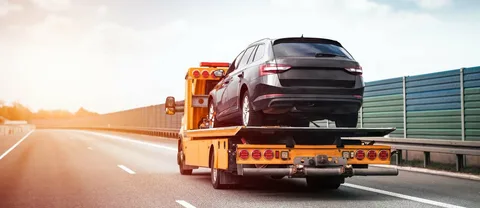
What Should Drivers Do When Their Car Breaks Down on a Busy Road in Scranton, PA?
A vehicle breakdown on a busy road can quickly become a stressful and potentially dangerous situation. Whether a car suddenly loses power, develops engine trouble, experiences a flat tire, or stops running in heavy traffic, drivers need to know how to respond safely. In Scranton, PA, busy roads, changing weather conditions, and heavy traffic can make roadside breakdowns particularly challenging.
Knowing what to do immediately after a vehicle stops working can help prevent accidents, protect passengers, and make it easier to arrange professional towing assistance.
Move Your Vehicle Away From Traffic If Possible
The first priority when experiencing a breakdown is to get out of the flow of traffic. If the vehicle still responds to steering and braking, carefully move toward the shoulder, a nearby parking lot, or another safe location.
Avoid making sudden lane changes or stopping in the middle of an intersection. If the engine loses power, use the vehicle's remaining momentum to reach a safer position whenever possible.
On busy roads around Scranton, stopping in an active traffic lane can create serious risks for both the disabled vehicle and approaching drivers.
Turn on Your Hazard Warning Lights
Once the vehicle is stopped, immediately activate the hazard warning lights. These lights alert other motorists that your vehicle is experiencing a problem and may not move normally.
Hazard lights are particularly important during:
-
Nighttime breakdowns when visibility is limited.
-
Heavy rain or fog that reduces visibility.
-
Traffic congestion where approaching drivers may not notice a stopped vehicle.
-
Highway breakdowns where vehicles are traveling at higher speeds.
If your vehicle has reflective warning equipment, use it only when you can do so without putting yourself in danger.
Stay Inside the Vehicle When the Surroundings Are Unsafe
Drivers sometimes make the mistake of immediately exiting their vehicles after a breakdown. However, getting out near moving traffic can expose passengers to serious dangers.
If your vehicle is stopped on a busy road and there is no safe place to stand, remain inside with your seatbelt fastened while waiting for assistance.
If you can safely exit away from traffic and reach a protected area, do so carefully. Never stand directly behind or in front of a disabled vehicle where another vehicle could strike it.
Identify the Cause of the Breakdown
Understanding what caused the vehicle to stop can help determine whether roadside assistance or towing is necessary.
Some common reasons vehicles break down on Scranton roads include:
Engine overheating: Rising engine temperatures, steam, or warning lights may indicate a cooling system problem. Continuing to drive can cause serious engine damage.
Battery failure: A weak or dead battery can prevent the engine from starting, leaving drivers stranded in parking areas or along busy roads.
Flat or damaged tires: Tire punctures, sidewall damage, and blowouts can make a vehicle unsafe to operate.
Transmission problems: Slipping gears, unusual noises, or difficulty shifting may indicate a mechanical problem that requires professional inspection.
Fuel system issues: Running out of fuel or experiencing fuel delivery problems can cause an engine to stop unexpectedly.
If the vehicle shows signs of serious mechanical damage, avoid attempting to drive it to the nearest repair shop.
Avoid Attempting Unsafe Roadside Repairs
Although minor vehicle problems can sometimes be resolved without towing, roadside repairs are not always safe.
Changing a tire beside a busy road, inspecting an overheating engine, or attempting to repair electrical components near moving traffic can put drivers at risk.
Before attempting any repair, consider the location, traffic conditions, weather, and severity of the problem.
For example, if a tire blows out on a narrow roadside with limited space, arranging professional assistance is generally safer than trying to replace it yourself.
Drivers should also avoid opening a hot radiator cap because pressurized coolant can cause severe burns.
Contact a Professional Towing Service
If your vehicle cannot be driven safely, contacting a professional towing company is the next step. A towing operator can help transport the disabled vehicle to a repair facility, residence, or another appropriate destination.
When requesting towing assistance, provide accurate information about your situation, including:
-
Your exact location or nearest road intersection.
-
Your vehicle's make, model, and approximate size.
-
The type of breakdown or visible damage.
-
Whether the vehicle is blocking traffic or positioned in a dangerous location.
-
Your preferred destination for vehicle transportation.
Providing these details helps the towing provider understand the situation and determine the appropriate equipment for the job.
Understand When Your Vehicle Needs a Tow Truck
Not every roadside problem requires full vehicle towing. Some situations may be resolved through basic roadside assistance, while others require transporting the vehicle.
You may need professional towing when:
-
The engine will not start after repeated attempts.
-
The vehicle has significant engine or transmission problems.
-
The brakes or steering system are not functioning properly.
-
A tire is severely damaged and the vehicle cannot be moved safely.
-
The vehicle has been involved in an accident.
-
The vehicle is stuck in mud, a ditch, or another difficult location.
Choosing not to drive a seriously damaged vehicle can help prevent additional mechanical problems and reduce the risk of another roadside incident.
Consider Scranton's Weather and Road Conditions
Weather can make vehicle breakdowns more difficult to manage in northeastern Pennsylvania. Winter temperatures, snowfall, freezing rain, and wet road surfaces can increase the risks associated with roadside emergencies.
During winter, batteries may lose starting power, tire pressure can decrease, and slippery roads can make it harder for approaching motorists to stop safely.
Heavy rainfall can also reduce visibility and create hazardous conditions around disabled vehicles.
Drivers traveling through Scranton should keep an emergency kit in their vehicles with items such as a flashlight, phone charger, reflective equipment, warm clothing, and drinking water.
Keep Important Information Ready Before Calling for Help
When a breakdown happens unexpectedly, having essential vehicle information available can make the assistance process easier.
Keep your vehicle registration, insurance information, emergency contacts, and roadside assistance details accessible.
It is also helpful to share your live location with a trusted person when waiting for assistance in an unfamiliar area.
Most importantly, avoid accepting help from strangers if the situation feels unsafe. Wait in a secure location and communicate directly with the towing provider.
Final Thoughts
A car breakdown on a busy road in Scranton, PA, requires quick decisions and careful attention to safety. Moving away from traffic when possible, activating hazard lights, avoiding dangerous roadside repairs, and contacting professional towing assistance can help drivers manage unexpected vehicle problems.
Whether your vehicle experiences engine trouble, tire damage, a dead battery, or a more serious mechanical failure, knowing when to stop driving and request assistance can make a significant difference.
For drivers who need professional towing and roadside assistance in the Scranton area, Richardson Roadside Assistance Scranton provides 24-hour roadside support, vehicle towing, flat tire assistance, jump-starts, fuel delivery, winch-out services, and junk vehicle removal. When an unexpected breakdown leaves you stranded, Richardson Roadside Assistance Scranton can help you get the assistance you need.


