
How to Create a Tabletop Photography Styling Station at Home
Introduction
Tabletop photography is a creative way to capture everyday objects, handmade items, food, flowers, and decorative accessories. You do not need a professional studio to get started. A dining table, a window with natural light, and a few carefully selected props can provide everything needed for an enjoyable photography session.
The secret is creating a setup that makes it easy to change backgrounds, arrange objects, and experiment with different compositions. A suitable table cloth can help establish the visual style while giving your photographs a consistent background.
Choose a Suitable Table and Location
Start by selecting a table with enough room for your camera, props, and lighting accessories. A spot near a large window is often useful because natural light can create soft shadows and reveal details.
Before arranging anything, check the background for distracting objects, reflections, and uneven lighting. Move unnecessary items away from the shooting area.
Consider these practical options:
-
A dining table for larger product arrangements
-
A small side table for close-up photography
-
A kitchen counter for food and drink photographs
-
A folding table for a temporary photography station
Keep enough space around the table to move your camera and adjust the shooting angle comfortably.
Select a Background That Complements Your Subject
The background plays an important role in tabletop photography. It should support the subject rather than compete with it.
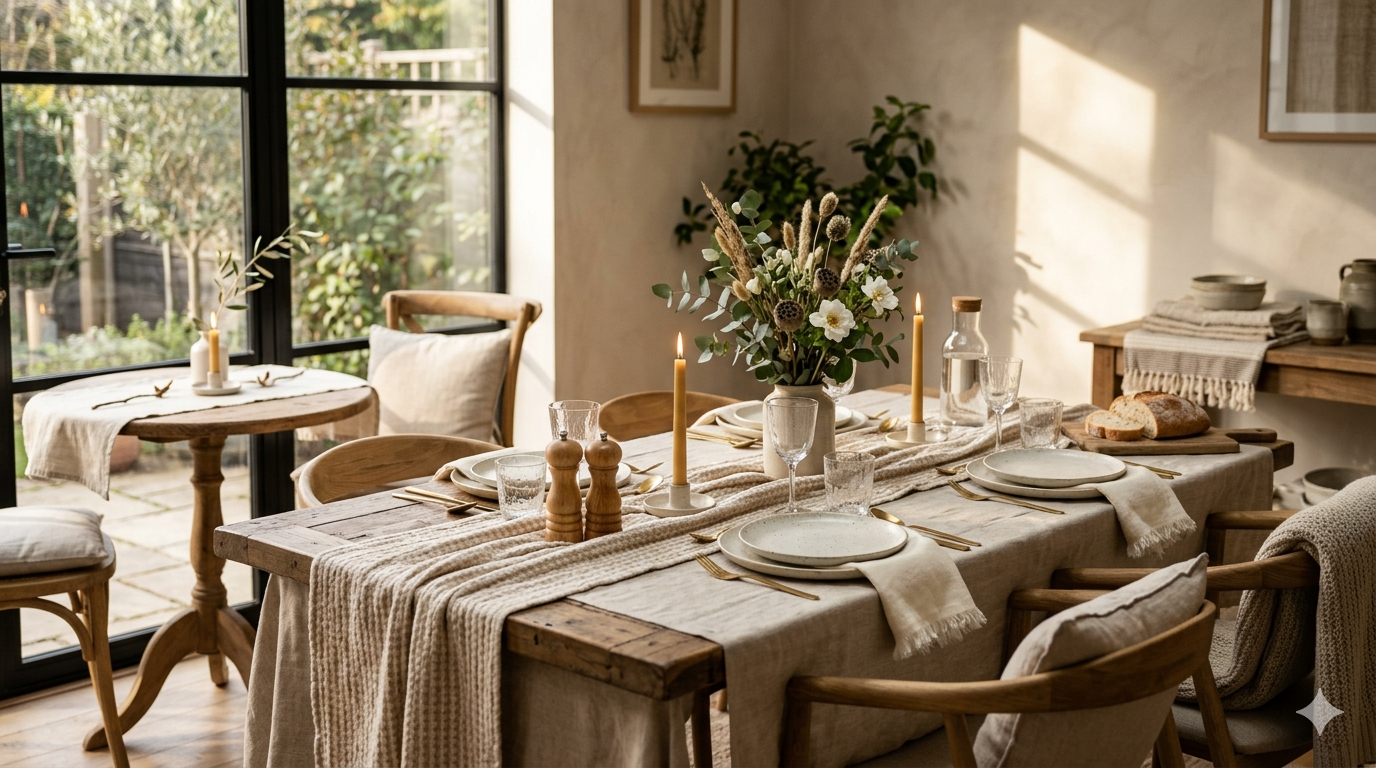
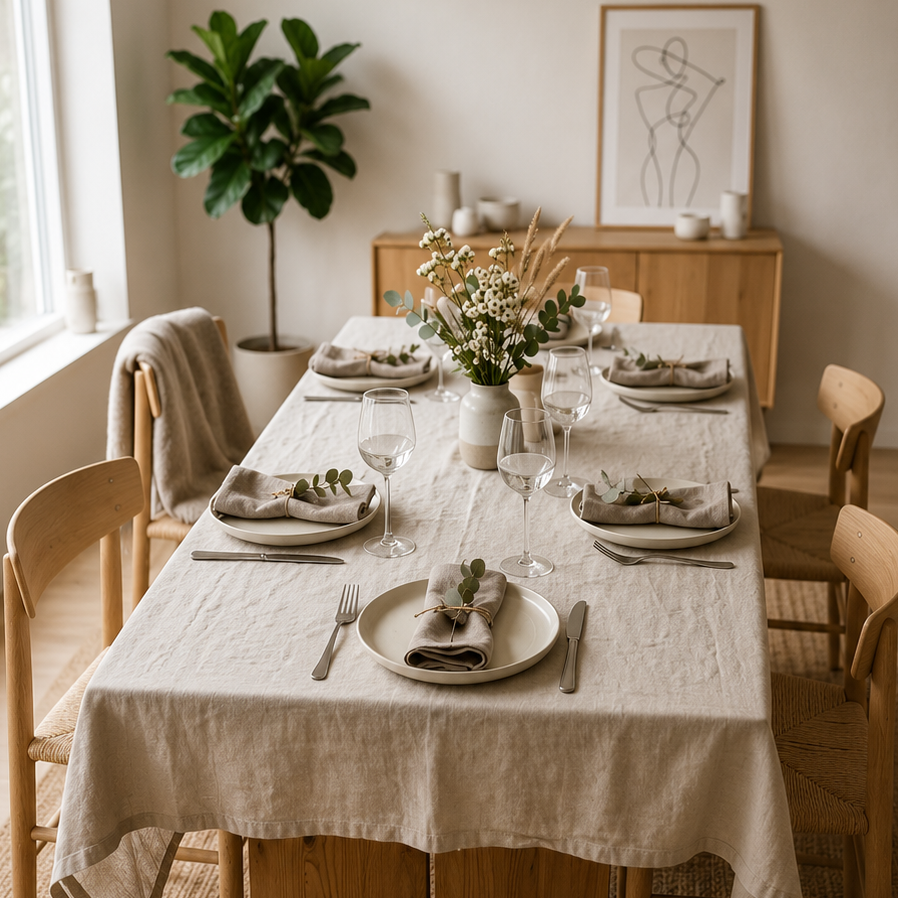
A cotton table cloth can provide a soft, natural-looking surface for photographs of handmade crafts, ceramics, stationery, or home accessories. Neutral shades are useful when you want the subject to remain the main focus.
For more visual interest, experiment with subtle textures, gentle folds, or contrasting colors. Avoid overly busy patterns when photographing small objects with intricate details.
You can also keep two or three different backgrounds nearby so you can change the appearance of your photographs without rearranging the entire station.
Match the Table Covering to the Composition
The shape of your table can influence how the background appears in photographs. A rectangle table cloth works well when shooting a row of products, a flat-lay arrangement, or several objects together.
For circular compositions, such as a collection of candles, pottery, or decorative bowls, round table cloths can create a balanced setting. Make sure the fabric falls evenly and does not create unwanted folds near the subject.
A smaller photography station can also benefit from square table cloths, especially when creating centered compositions or photographing a single featured object.
Choose a covering that extends beyond the shooting area enough to hide the table edges from the camera's frame.
Arrange Props Without Overcrowding the Frame
Props help tell a story, but too many accessories can make a photograph look cluttered. Begin with the main subject and add only a few supporting objects.
For example:
-
Pair ceramic mugs with a small notebook and a spoon.
-
Photograph handmade soaps with dried flowers and simple packaging.
-
Style a book with reading glasses and a cup of tea.
-
Arrange a small plant with gardening tools and a neutral background.
Leave some empty space around the main object. This gives the photograph a cleaner appearance and makes the subject easier to recognize.
Use Natural Light and Simple Lighting Accessories
Good lighting can make a major difference even when using a smartphone camera. Place the table near a window and observe how the light falls across the subject.
If direct sunlight creates harsh shadows, soften it with a sheer curtain or move the setup slightly away from the window. A white board placed opposite the window can reflect light into darker areas.
Try taking photographs from different directions:
-
Front-facing shots for product details
-
Overhead shots for flat-lay arrangements
-
Side angles for objects with height and texture
-
Close-ups for patterns, stitching, and small details
Keep your lighting consistent when photographing several items for the same collection.
Experiment With Fabric Textures and Colors
Changing the fabric can completely alter the mood of a photograph. A light-colored surface can create an airy look, while deeper shades can make bright objects stand out.
For a simple styling exercise, photograph the same object against three different backgrounds. Compare how the color, texture, and folds affect the final image.
Keep the fabric clean and smooth when photographing reflective objects, glassware, or products with detailed surfaces. Small creases can become distracting when they appear close to the subject.
Keep Your Photography Station Organized
A well-organized workspace saves time between photographs. Store small accessories in containers and keep frequently used items within reach.
Create separate spaces for:
-
Camera equipment and phone stands
-
Background fabrics and clips
-
Decorative props
-
Cleaning cloths
-
Notes and shot lists
After the session, fold the fabrics neatly and store them away from dust and moisture. Save your favorite arrangements as reference photographs so you can recreate them later.
Conclusion
A home tabletop photography station does not require complicated equipment. With a suitable table, thoughtful prop arrangements, balanced lighting, and a carefully selected background, you can create photographs that feel consistent and visually appealing. All Cotton and Linen offers fabric table covering options that can help bring a comfortable, coordinated look to your home photography setup.


