
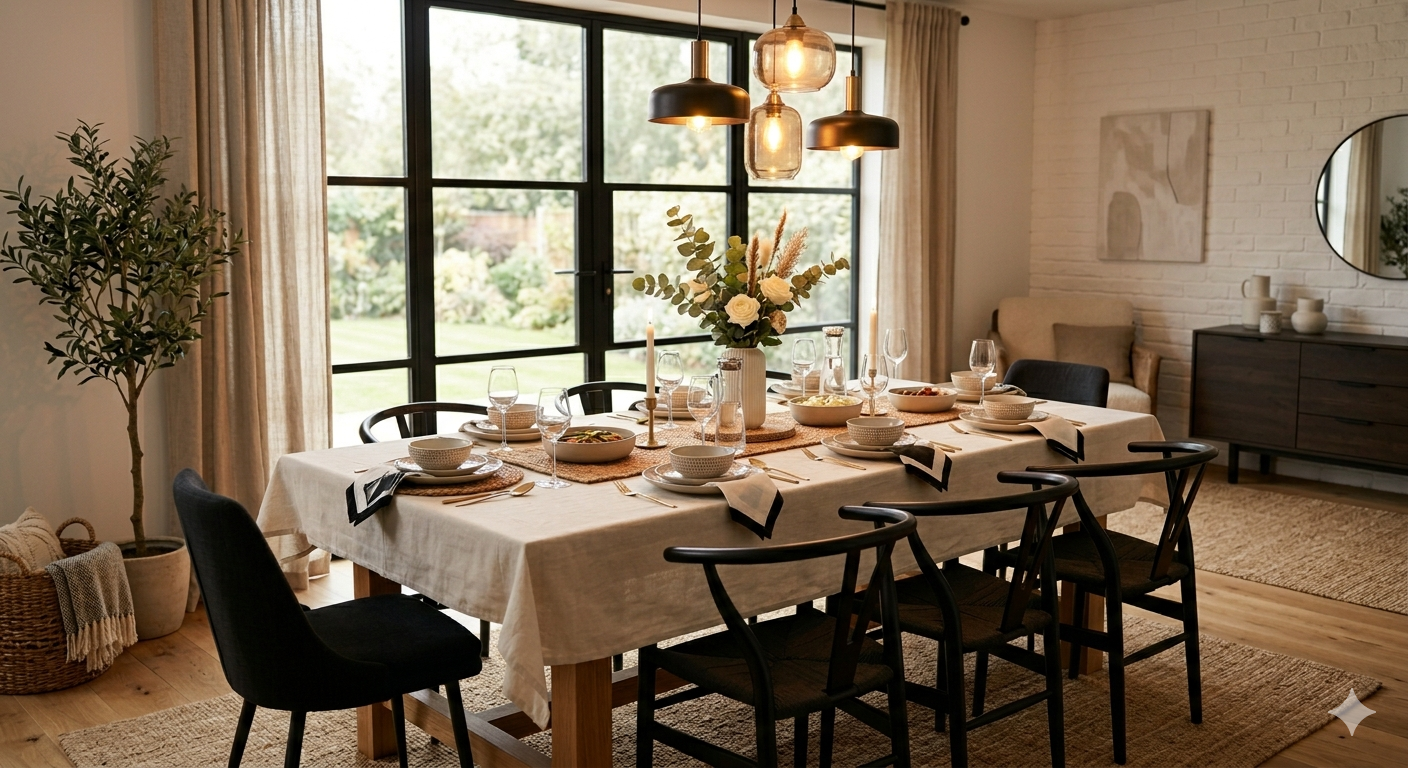
How to Layer Tablecloths for a Stylish Dining Table
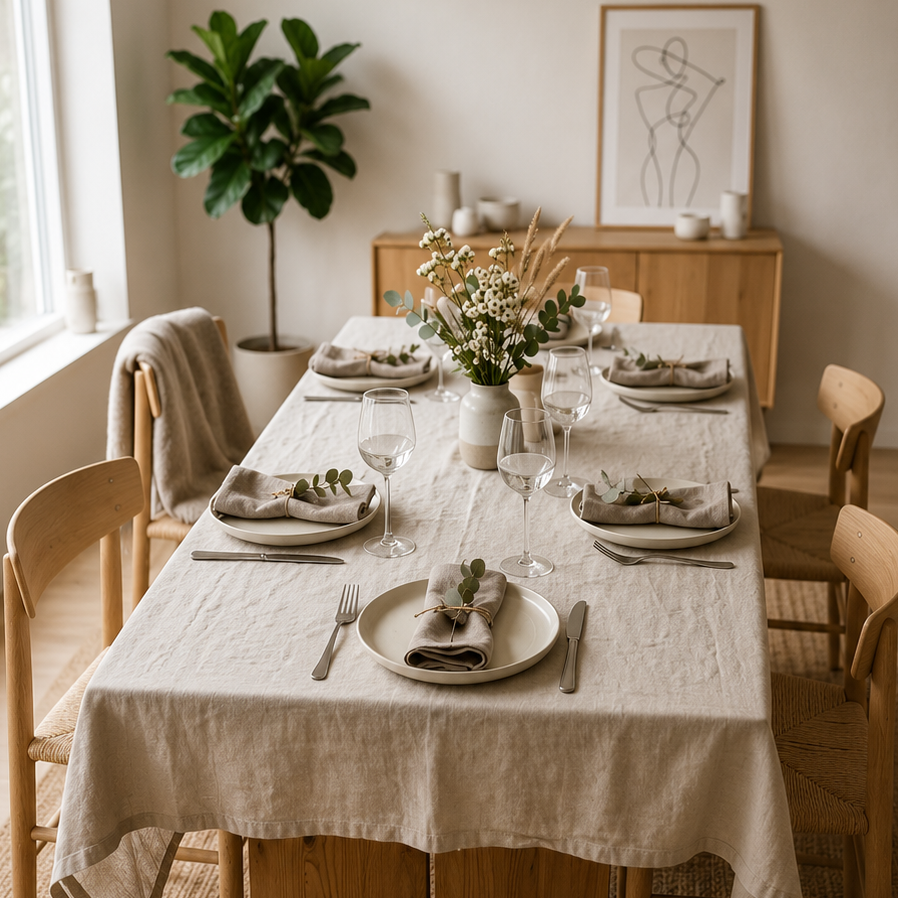
Layering fabrics is a simple way to add depth and personality to a dining table without changing the furniture or buying an entirely new set of decorations. By combining different colors, textures, or fabric shapes, you can create a table setting that feels thoughtfully arranged while still being practical for everyday use.
The key is to choose layers that complement each other rather than compete for attention. With a few basic principles, you can create a coordinated look for family meals, seasonal gatherings, or a dinner with friends.
1. Start With a Base Tablecloth
The base layer establishes the overall appearance of your table. Choose a fabric that covers the tabletop appropriately and provides a background for the additional layers.
A solid color is a versatile starting point because it works with a wide range of patterns and accessories. White, cream, beige, and soft gray can create a neutral foundation, while deeper shades can give the table a more dramatic appearance.
A cotton table cloth is worth considering for a layered arrangement because cotton fabrics are available in many colors, prints, and textures. Check the care instructions before combining different materials, particularly if you expect to wash the layers frequently.
Before adding anything else, spread the base fabric evenly and smooth out visible creases. This helps the finished arrangement look neat.
2. Combine Colors That Work Together
Color is one of the easiest ways to make layered table coverings look coordinated. You do not need every fabric to match exactly. Instead, select colors that share a similar tone or create a deliberate contrast.
Here are a few combinations to try:
-
Neutral and earthy: Pair cream with sage green, tan, or muted brown for a relaxed look.
-
Light and dark: Combine an ivory base with a navy or charcoal accent for contrast.
-
Soft and colorful: Use a pale base with a muted floral or pastel top layer.
-
Seasonal shades: Choose warm rust and mustard tones for autumn or soft greens and blues for spring.
If your dinnerware already has a bold pattern, keep the fabrics relatively simple. When the dishes are plain, a patterned upper layer can add visual interest without overwhelming the table.
3. Add a Runner as the Second Layer
A table runner is an easy alternative to placing a second full tablecloth over the first. It runs along the center of the table and creates a focal point while allowing the base fabric to remain visible.
For a long dining table, position the runner lengthwise. On a round table, a runner can be placed across the center or used with a carefully arranged centerpiece.
The runner should complement the base cloth in both color and texture. For example, a textured runner can add depth to a smooth tablecloth, while a plain runner can balance a patterned base.
Keep the runner away from areas where it might interfere with serving dishes, glasses, or place settings.
4. Use Different Textures Carefully
Layering works especially well when the fabrics have different textures. A smooth base paired with a woven or subtly textured upper layer can create contrast without relying on bright colors.
For example, a plain cotton base can be combined with a lightweight woven runner. Alternatively, a softly textured tablecloth can be paired with a smoother accent fabric.
Try to limit the arrangement to two or three noticeable visual elements. Too many competing textures can make the table feel cluttered, especially when combined with decorative plates, napkins, and centerpieces.
Consider how the fabrics feel and behave together. Materials that slide easily over one another may need a suitable, table-safe non-slip underlay.
5. Adapt the Layers to Your Table Shape
The proportions of the fabrics should suit the shape and dimensions of the table.
For round tables: Choose round table cloths for the base layer so the fabric falls evenly around the edges. A narrow runner can add contrast through the center without covering the entire surface.
For rectangular tables: A rectangle table cloth creates a consistent foundation for a runner placed lengthwise. Make sure the runner is centered and does not hang awkwardly over the sides.
For square tables: Square table cloths can provide a balanced base. A smaller contrasting cloth placed diagonally can create a decorative diamond shape, provided the corners do not interfere with seating.
Always check the finished drop of each layer. Excess fabric near chairs can become uncomfortable or catch when someone sits down.
6. Keep Place Settings and Decorations Simple
Once the fabric layers are in place, add plates, napkins, glasses, and a centerpiece. These items should complement the fabrics rather than compete with them.
If the tablecloth and runner feature noticeable patterns, use plain napkins and understated dinnerware. If the fabrics are neutral, patterned napkins or colored plates can provide a little contrast.
Leave sufficient room for guests to eat comfortably. Keep centerpieces low enough for conversation and avoid placing fragile decorations near the edges.
For everyday meals, fewer accessories often make the table easier to maintain. You can add more decorative details when preparing for a special occasion.
7. Make Layering Practical for Everyday Use
A layered table setting should be attractive but also manageable. Before a meal, check whether the top layer moves easily or bunches when plates are placed on it.
Choose washable fabrics when spills are likely, and follow each item's care instructions. If the upper layer becomes dirty more quickly than the base cloth, a smaller runner or accent cloth may be easier to launder than a second full-size covering.
Store the layers clean and completely dry to help prevent unwanted odors and fabric damage.
Conclusion
Layering tablecloths is an easy way to introduce color, texture, and variety to your dining space. Start with a suitable base, add a complementary runner or accent fabric, and keep the remaining decorations balanced. Whether you prefer a simple everyday arrangement or a more decorative table for guests, All Cotton and Linen offers tablecloth styles that can help you create a look that suits your home.


