
Beyond Cancer Treatment: Quality of Life and Recovery with a Head & Neck Cancer Specialist in Delhi

A head and neck cancer diagnosis can affect much more than physical health. Depending on the location of the disease and the treatment required, patients may experience changes in eating, speaking, swallowing, appearance, confidence, and everyday activities. Understanding these challenges before treatment begins can help patients and families prepare for recovery and ask the right questions during consultations.
For people searching for the Best Head & Neck Cancer Surgeon in Delhi, it is worth considering not only the treatment of the tumour but also the support available throughout recovery. Effective cancer care involves an appropriate diagnosis, an individualised treatment plan, clear communication, and follow-up tailored to the patient's needs.
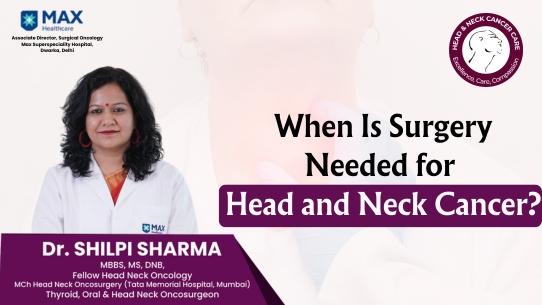
Dr. Shilpi Sharma's stated qualifications include MBBS, MS, DNB, Fellowship in Head and Neck Oncology, and MCh in Head and Neck Oncosurgery from Tata Memorial Hospital, Mumbai. Her stated areas of focus include thyroid, oral and head and neck oncosurgery.
This article explores how specialist care, rehabilitation, nutrition, emotional support, and follow-up contribute to the broader experience of head and neck cancer treatment.
Why Quality of Life Matters During Cancer Care
Head and neck structures perform several essential functions. The mouth and tongue help with chewing, swallowing, and speech. The throat supports swallowing and breathing, while the voice box plays a central role in producing sound. Treatment involving these structures may therefore have effects beyond the removal or control of a tumour.
The nature of these effects varies considerably. Some patients experience limited disruption, while others need additional support to regain particular functions or adapt to lasting changes.
A Head & Neck Cancer Specialist in Delhi should discuss the potential effects of the proposed treatment in the context of the individual diagnosis. This conversation may include recovery time, nutritional needs, wound care, rehabilitation, and the possibility of additional treatment.
Quality of life does not mean choosing comfort instead of effective cancer care. It means considering cancer control alongside function, independence, emotional well-being, and the patient's personal priorities.
Understanding Multidisciplinary Head and Neck Cancer Care
Head and neck cancer may require expertise from several medical disciplines. The professionals involved depend on the diagnosis, stage, treatment plan, and available services.
Surgical Oncology
A head and neck oncosurgeon evaluates whether an operation is appropriate and explains its purpose, potential risks, and likely effects on surrounding structures.
Radiation Oncology
A radiation oncologist assesses whether radiotherapy may be useful as a primary treatment or after surgery. The treatment plan depends on the cancer type and clinical findings.
Medical Oncology
Medical oncologists may recommend chemotherapy, immunotherapy, targeted medicines, or other systemic treatments for selected cancers.
Radiology and Pathology
Radiologists help interpret imaging studies, while pathologists examine tissue samples to establish the diagnosis and provide information that can guide treatment.
Rehabilitation and Supportive Services
Speech and swallowing therapists, dietitians, dental professionals, nurses, physiotherapists, and mental health professionals may contribute when their expertise is needed.
Not every patient requires every specialist. The goal is to coordinate the services that are appropriate for the individual rather than provide unnecessary tests or treatments.
When researching a Head & Neck Cancer Hospital in Delhi, patients can ask how relevant specialists communicate and how treatment recommendations are coordinated.
Eating and Nutrition During Head and Neck Cancer Treatment
Nutrition can become a significant concern when cancer or its treatment affects chewing, swallowing, taste, saliva production, or appetite.
Patients undergoing oral surgery or radiotherapy involving the mouth and throat may need changes to food consistency or meal planning. Some may require temporary nutritional supplements or other support recommended by their care team.
Practical Questions to Discuss
-
Are there foods or textures I should avoid during recovery?
-
How can I maintain adequate nutrition if eating becomes uncomfortable?
-
Should I meet a registered dietitian?
-
What signs of dehydration or inadequate food intake should I watch for?
-
When should I report difficulty swallowing?
Dietary recommendations should be personalised. A food that is suitable for one patient may be unsafe for someone with significant swallowing difficulties.
Patients should not force themselves to eat or drink through severe swallowing problems. If food or liquids cause coughing, choking, or other signs of swallowing difficulty, they should inform their treating team promptly.
A coordinated treatment plan can help identify nutritional concerns early and provide appropriate support.
Speech and Swallowing Rehabilitation After Cancer Treatment
Some head and neck procedures can affect speech clarity, tongue movement, voice production, or the ability to swallow comfortably. The impact depends on the affected structure and the extent of treatment.
Speech and swallowing rehabilitation may help selected patients improve function, learn safer techniques, or adapt to changes. The timing and type of therapy should be determined by qualified professionals according to the operation and clinical findings.
Patients should ask before treatment whether rehabilitation may be needed and how it can be arranged.
After surgery, new or worsening swallowing difficulties should not automatically be considered a normal part of recovery. The treating team may need to assess whether further evaluation or changes to the rehabilitation plan are necessary.
For patients undergoing oral cancer treatment, preserving function and planning for recovery are important subjects to discuss with an Oral Cancer Specialist in Delhi.
Emotional Well-Being After a Cancer Diagnosis
A cancer diagnosis can bring uncertainty, fear, frustration, and concerns about the future. Patients may worry about treatment outcomes, financial pressures, family responsibilities, or changes in appearance and daily activities.
These responses are understandable, and patients do not have to manage them alone.
Helpful sources of support may include:
-
Honest conversations with the treating team about treatment expectations.
-
Support from family members or trusted friends.
-
Counselling or psychological support when needed.
-
Patient support groups with appropriate guidance.
-
Practical help with transport, appointments, and household responsibilities.
Family members can provide meaningful assistance by listening without judgement, helping organise medical information, and respecting the patient's preferences about treatment decisions.
Patients should tell their healthcare team if anxiety, low mood, sleep difficulties, or emotional distress become persistent or interfere with everyday life. Appropriate support may be available.
Reconstructive Surgery and Functional Recovery
For certain head and neck cancers, surgery may involve removing tissue to treat the tumour. Depending on the location and extent of the operation, reconstructive procedures may be considered to restore form or improve function.
Reconstruction is not necessary for every patient. The decision depends on the tissue involved, the expected functional impact, the patient's overall health, and the goals of treatment.
Patients should ask the surgeon what reconstruction could achieve, what limitations may remain, and whether further procedures or rehabilitation may be needed.
A Head & Neck Cancer Surgeon in Delhi should explain the intended benefits and potential risks of the proposed approach, including possible effects on appearance, speech, swallowing, and recovery time.
It is also important to understand that reconstructive surgery cannot guarantee a complete return to previous function. Outcomes vary according to the condition and individual circumstances.
Thyroid Cancer Care and Life After Surgery
Thyroid cancer management can involve surgery, monitoring, and additional treatment in selected cases. The most suitable approach depends on the type and extent of cancer and the patient's individual risk.
After thyroid surgery, some patients require thyroid hormone replacement. Others may need monitoring of thyroid function, calcium levels, or other findings according to the procedure performed.
Patients should understand their discharge instructions, medication schedule, follow-up plan, and the symptoms that require medical attention.
Anyone with a thyroid nodule should not assume that cancer is present. Many nodules are benign, and the need for further investigation depends on clinical findings.
A Thyroid Cancer Specialist in Delhi can help patients understand ultrasound results, biopsy findings when indicated, and whether monitoring or surgery is appropriate.
After treatment, continued follow-up helps the healthcare team review recovery and determine whether additional investigations are required.
Oral Cancer Treatment and Maintaining Daily Function
Oral cancer may affect the lips, tongue, gums, inner cheeks, or floor of the mouth. Depending on the tumour and treatment, patients may need help with oral hygiene, nutrition, speech, swallowing, or dental care.
Before treatment, patients can ask whether a dental assessment or rehabilitation plan would be useful. After treatment, they should follow the instructions provided by the treating team and report persistent pain, bleeding, new lesions, or difficulties eating.
Patients searching for a Best Oral Cancer Surgeon in Delhi should consider how the proposed treatment plan addresses both tumour management and relevant functional concerns.
The exact balance of surgical treatment, reconstruction, radiotherapy, and rehabilitation varies by case. Decisions should be based on clinical evidence and the patient's circumstances rather than a standard approach applied to everyone.
Follow-Up Care After Head and Neck Cancer Treatment
Follow-up is an essential part of care after treatment. Its purpose may include monitoring recovery, assessing treatment effects, reviewing pathology results, and checking for signs that require further investigation.
The follow-up schedule depends on the cancer type, stage, treatment received, and the patient's health. Appointments may involve physical examination, imaging, blood tests, or other investigations when indicated.
Patients can prepare for follow-up by keeping copies of their reports, maintaining an updated medication list, and recording questions between appointments.
Contact the treating team if new symptoms arise rather than waiting for the next scheduled visit. Breathing difficulty, rapidly increasing swelling, uncontrolled bleeding, or an inability to swallow fluids requires urgent medical assessment.
Follow-up is not simply a formality. It provides an opportunity to address concerns and adapt supportive care as recovery progresses.
How to Choose a Head & Neck Cancer Specialist in Delhi
When comparing specialists, patients should look beyond advertising language and general online rankings.
Consider the following:
Relevant qualifications: Verify the doctor's medical degrees and specialist training.
Experience relevant to the diagnosis: Ask about experience with the specific cancer type or procedure under consideration.
Clear treatment explanations: The doctor should explain the diagnosis, options, potential side effects, and alternatives in understandable language.
Coordinated care: Ask whether additional specialists or rehabilitation services may be required.
Follow-up arrangements: Understand who will review reports, monitor recovery, and advise you if new symptoms appear.
Practical considerations: Confirm the consultation location, service availability, estimated costs, and insurance arrangements directly with the provider.
These questions can help patients make informed decisions when looking for a Head & Neck Cancer Doctor in Delhi or a Head & Neck Oncology Specialist in Delhi NCR.
About Dr. Shilpi Sharma
Dr. Shilpi Sharma's stated qualifications include MBBS, MS, DNB, Fellowship in Head and Neck Oncology, and MCh in Head and Neck Oncosurgery from Tata Memorial Hospital, Mumbai. Her stated areas of focus include thyroid, oral and head and neck oncosurgery.
Patients researching a Head & Neck Oncosurgeon in Delhi can review the available professional information on her website and enquire about consultation arrangements.
A clinical consultation is an opportunity to discuss symptoms, review investigations, understand a confirmed diagnosis, and consider appropriate treatment options. The recommended approach depends on an individual assessment, and patients should verify current consultation availability and treatment services directly with the practice.
Frequently Asked Questions
Why is rehabilitation important after head and neck cancer surgery?
Some procedures affect speech, swallowing, shoulder movement, or other functions. Rehabilitation may help eligible patients improve function, learn appropriate techniques, and adapt to changes.
Can patients eat normally after oral cancer surgery?
Recovery varies according to the location and extent of surgery. Some patients return to their usual diet, while others need temporary or longer-term dietary modifications and professional nutritional guidance.
Does every head and neck cancer patient need multiple specialists?
No. The team depends on the diagnosis and treatment requirements. Complex cases may benefit from coordinated input from surgical, medical, and radiation oncology, along with diagnostic and rehabilitation services when appropriate.
What should I bring to a cancer consultation?
Bring available biopsy reports, imaging reports, prescriptions, a list of medical conditions and medicines, and questions about the diagnosis or proposed treatment. Ask the clinic whether any additional documents are needed.
How often should patients attend follow-up appointments?
The schedule varies according to the cancer type, stage, treatment, and individual risk. The treating team should provide a follow-up plan suited to the patient's circumstances.
Where can I find consultation information for Dr. Shilpi Sharma?
Conclusion: Cancer Care Includes Recovery, Function and Well-Being
Head and neck cancer care extends beyond the initial diagnosis or operation. Appropriate treatment planning, nutritional support, rehabilitation, emotional well-being, and regular follow-up can all contribute to a more coordinated patient experience.
If you are looking for a Head & Neck Cancer Surgeon in Delhi, a Head & Neck Cancer Specialist in Delhi, an Oral Cancer Specialist in Delhi, or a Thyroid Cancer Specialist in Delhi, consider both the medical treatment required and the support needed throughout recovery.
Dr. Shilpi Sharma's website provides information for patients researching thyroid, oral and head and neck oncosurgery.
Understand Your Treatment. Support Your Recovery. Stay Connected With Your Care Team.


