
Why Learn Social Media Management Through Practical Training?

Social media has become an important communication channel for businesses, brands, and organizations. Learning through social media management training can help beginners understand how to plan, create, publish, and monitor content across different platforms. Practical training provides opportunities to work with real-world examples, develop content strategies, and understand audience engagement. This approach can make social media concepts easier to understand while building useful digital marketing skills.
Understand the Fundamentals of Social Media Management
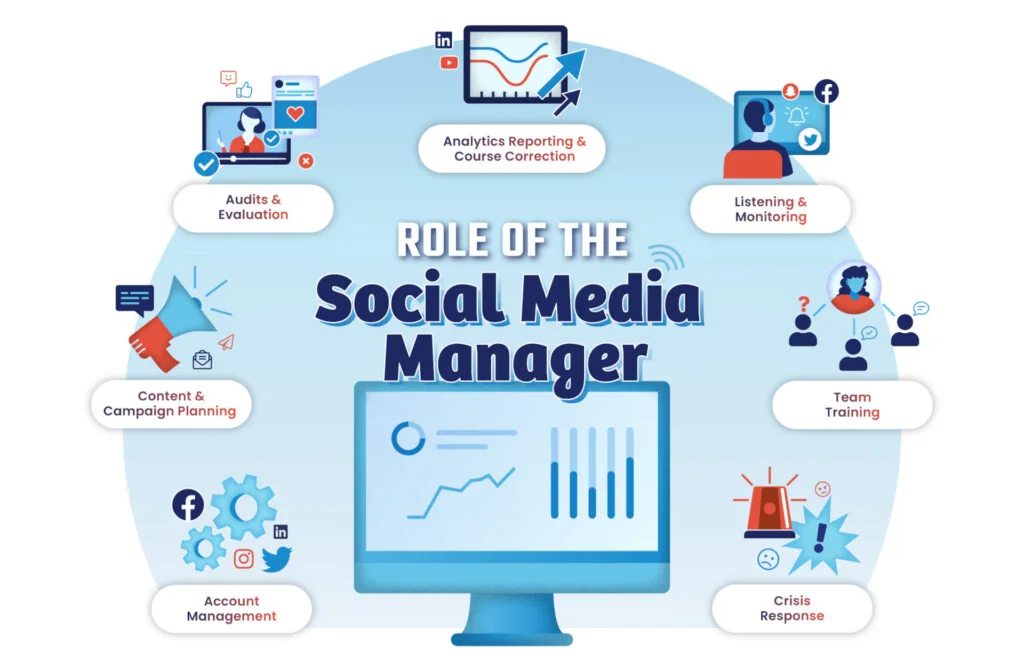
Social media management involves more than simply publishing posts. Learners need to understand audience research, content planning, platform selection, scheduling, engagement, performance tracking, and communication. Practical learning can introduce these areas step by step.
Through social media management training, learners can understand how businesses organize their social media activities and maintain consistency across platforms. They can also learn how different types of content are planned according to audience interests, business objectives, and platform requirements.
Develop Content Planning Skills
Content planning is an essential part of effective social media management. Learners can practice creating content calendars, identifying suitable topics, writing captions, and selecting appropriate formats for different platforms.
Content creation training can help beginners understand how written and visual content work together to communicate a message. Practical exercises may include developing captions, post ideas, short videos, graphics, and promotional information while maintaining consistency in tone and presentation.
A structured approach also helps learners understand why different content formats may be suitable for different audiences. This knowledge can support better planning and more organized social media workflows.
Gain Practical Social Media Experience
Theoretical knowledge provides an introduction to social media concepts, but practical activities allow learners to apply those concepts. They can work on sample campaigns, content calendars, audience research, engagement strategies, and performance reports.
Social media content creation training can provide exposure to the process of developing content for different social platforms. Learners may practice creating posts based on specific objectives, target audiences, and communication styles.
Practical assignments can also help learners identify common challenges, such as maintaining consistency, generating new ideas, responding to audiences, and adapting content to different platform formats.
Learn Audience Engagement Techniques
Successful social media management requires understanding how audiences interact with content. Practical training can introduce learners to comments, messages, reactions, shares, and other forms of engagement.
Learners can explore how to respond appropriately to audiences, maintain professional communication, and identify content that generates meaningful interaction. They can also understand the importance of monitoring conversations and maintaining a consistent brand voice.
These activities help beginners develop communication skills alongside their technical knowledge. Regular practice can make it easier to understand how audience behavior influences content planning.
Understand Social Media Analytics
Analytics is another important component of social media management. Learners can study metrics such as reach, impressions, engagement, clicks, follower growth, and content performance.
Practical assignments can teach beginners how to read basic performance reports and identify patterns. For example, learners may compare different content formats to understand which posts receive higher engagement or reach.
This analytical approach helps connect content creation with measurable outcomes. Instead of publishing content without evaluation, learners can understand how performance data can guide future content planning.
Explore AI and Modern Digital Marketing Tools
Technology continues to influence social media and digital marketing workflows. Beginners can explore how AI-assisted tools can support content ideas, research, writing, analysis, and workflow organization.
An AI SEO course can also introduce learners to the relationship between artificial intelligence and search optimization. Although SEO and social media have different functions, understanding both areas can provide broader knowledge of modern digital marketing practices.
Learning how to use technology responsibly can help beginners improve efficiency while still focusing on accuracy, originality, audience needs, and appropriate communication.
Build Skills Through Structured Practice
Practical learning becomes more useful when activities follow a structured process. Beginners can start with basic content planning and gradually move toward campaign development, scheduling, analytics, and optimization.
Social media management training can provide this progression by combining concepts with practical assignments. Learners can build their understanding through repeated practice and receive opportunities to review their work.
Content creation training can further support this process by strengthening skills related to writing, visual communication, creative planning, and platform-specific content development. These combined skills can help learners approach social media management more systematically.
Conclusion
Learning social media management through practical training can help beginners connect theoretical concepts with real-world activities. Social media management training can cover content planning, audience engagement, analytics, platform management, and modern digital tools. With consistent practice, learners can develop organized workflows and useful communication skills that support continued learning in the evolving field of digital marketing.


