
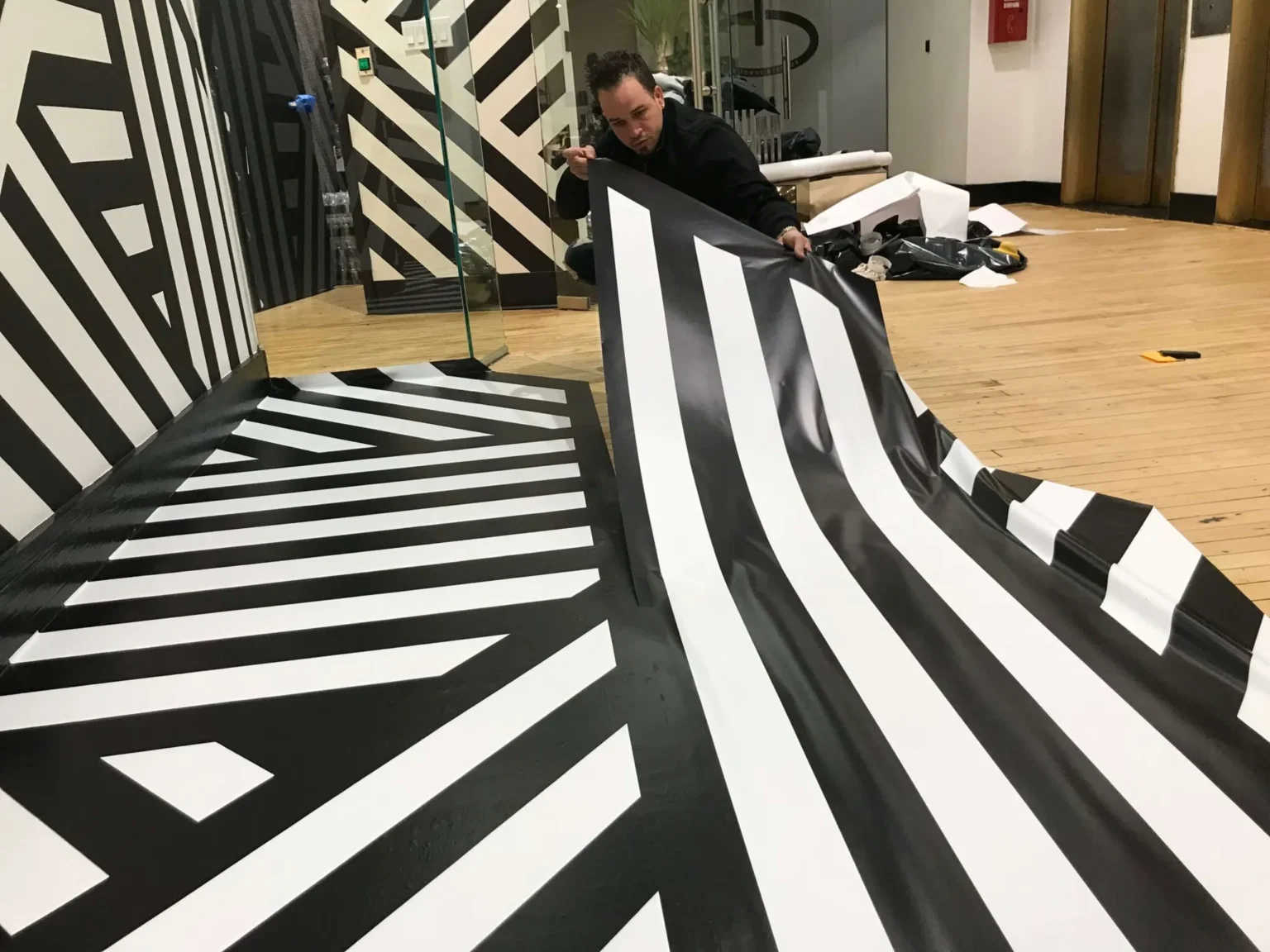
Floor Graphics: Transforming Ordinary Floors into Powerful Visual Experiences
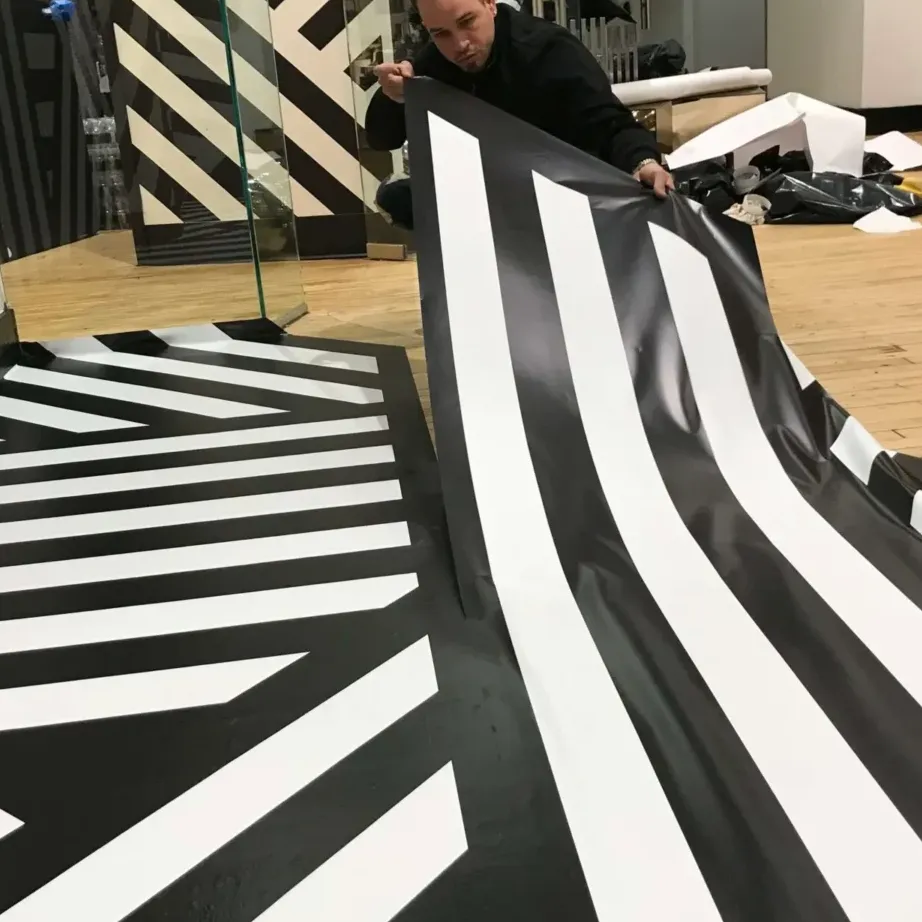
Floor graphics have become an innovative way for businesses, organizations, retailers, and event planners to make better use of an often-overlooked advertising space. While walls, windows, signs, and displays traditionally receive most of the attention, the floor offers a large and highly visible surface that can communicate a message in a creative and memorable way. With attractive designs, clear messaging, and professional installation, floor graphics can turn everyday spaces into engaging visual environments.
Modern floor graphics are designed to combine visual appeal with practical performance. They can be customized for different locations, branding requirements, promotional campaigns, and interior settings. From retail stores and shopping centers to offices, schools, exhibitions, and hospitality venues, businesses can use floor graphics to guide visitors, promote products, strengthen branding, or simply add character to a space.
What Are Floor Graphics?
Floor graphics are specially designed visual graphics created for application on floor surfaces. They can feature logos, photographs, illustrations, promotional messages, directional information, patterns, or other custom artwork. Their purpose can range from advertising and branding to navigation and interior decoration.
One of the biggest advantages of floor graphics is their ability to communicate with people from an unusual viewing position. Customers naturally look at the environment around them while walking through a building, making the floor an excellent location for visual communication. A carefully designed graphic can capture attention without competing directly with wall displays or hanging signs.
Floor graphics can also be produced in a wide range of shapes and sizes. A business may choose a small logo near an entrance, a large promotional design in an open retail area, or a series of graphics positioned throughout a building.
Why Floor Graphics Are Becoming Popular
Businesses are constantly looking for fresh ways to attract attention. Traditional advertising spaces can become crowded, making it difficult for a message to stand apart. Floor graphics provide an alternative by placing branding and communication directly within the customer's path.
A well-designed floor graphic can create an immediate visual connection with visitors. Instead of simply passing by another advertisement, customers encounter the design naturally as they move through the space. This makes floor graphics particularly useful for promotional campaigns where visibility and memorable presentation are important.
They are also flexible. A business can create graphics around seasonal promotions, special events, new product launches, brand campaigns, or permanent identity elements. This flexibility allows businesses to refresh their surroundings without completely redesigning the interior.
Floor Graphics for Retail Stores
Retail environments are among the most effective locations for floor graphics. Customers move through defined areas while searching for products, comparing options, and exploring displays. Floor graphics can support this journey by providing visual cues and promotional messages.
A store can use branded floor graphics near entrances to create a strong first impression. Promotional graphics can draw attention toward selected products or departments. Directional graphics can help shoppers locate particular areas, while branded designs can reinforce the overall identity of the store.
The placement of graphics is especially important in retail settings. A design positioned in a high-traffic area may receive significantly more attention than one placed in an isolated corner. Professional planning helps ensure that graphics complement existing displays instead of making the space feel crowded.
Creating Strong Brand Recognition
Brand recognition is an important part of long-term business growth. Customers are more likely to remember a company when its visual identity appears consistently across different parts of the customer experience.
Floor graphics provide another opportunity to display a company's logo, colors, slogan, or distinctive visual style. When these elements are coordinated with other branding materials, they can create a unified environment.
For example, a business may use its logo on the floor near the entrance, incorporate branded patterns throughout the customer area, and create promotional graphics around specific displays. This approach makes the physical environment feel connected to the company's identity.
Floor Graphics for Events and Exhibitions
Events and exhibitions often require creative presentation because businesses are competing for attention in busy environments. Floor graphics can help create a recognizable area while directing visitors through a venue.
At exhibitions, customized floor designs can extend a company's branding beyond its booth walls. A branded graphic can help define the space and make the display easier to recognize from a distance.
Events can also use floor graphics for themed environments, entrance areas, photo opportunities, directional information, and sponsor recognition. Since the graphics can be designed specifically for the occasion, they can contribute to a cohesive event experience.
Improving Wayfinding with Floor Graphics
Finding the correct location inside a large building can sometimes be difficult for visitors. Floor graphics can provide simple visual guidance while adding an attractive design element to the environment.
Directional arrows, room identifiers, department names, and pathway designs can help people understand where they need to go. This can be useful in shopping centers, offices, educational facilities, exhibition halls, entertainment venues, and public spaces.
Good wayfinding design should be clear and easy to understand. Large lettering, recognizable symbols, and logical placement can help visitors follow directions without needing to stop and search for information.
Floor Graphics in Offices
Businesses can use floor graphics to make office environments more distinctive and welcoming. A company's logo can be displayed in reception areas, meeting spaces, or common areas to reinforce professional branding.
Floor graphics can also be incorporated into workplace themes. Creative designs can give an otherwise plain floor a more interesting appearance and help establish different areas within an office.
For businesses that welcome clients regularly, branded floor graphics can contribute to a polished first impression. They can complement reception signage, wall graphics, furniture, and other interior branding elements.
Floor Graphics for Schools and Educational Spaces
Educational institutions can also benefit from creative floor graphics. Schools, colleges, training centers, and educational facilities often contain large open areas that can be transformed with thoughtful visual designs.
Floor graphics can display school branding, create directional pathways, identify specific areas, or add educational themes to common spaces. Creative designs can make corridors, entrances, activity areas, and gathering spaces feel more engaging.
The right design can also help establish a consistent visual identity throughout the institution.
Custom Designs for Unique Spaces
Every business environment is different, which is why custom floor graphics can be more effective than generic designs. Customization allows businesses to select dimensions, artwork, wording, shapes, and branding elements according to their specific requirements.
A company may want a simple and professional logo design, while another may prefer a bold promotional image. Some businesses may require large lettering, while others may want intricate patterns or creative illustrations.
Custom design also allows graphics to fit naturally around existing architectural features. Columns, entrances, furniture, display areas, and pathways can all be considered during the design process.
The Importance of Professional Design
A successful floor graphic begins with a strong design. The graphic needs to communicate its message clearly while remaining visually attractive.
Typography should be easy to read, especially when people are viewing the graphic while walking. Images should be sharp and appropriately sized for the intended viewing distance. Branding elements should be balanced rather than overwhelming the overall composition.
Professional design also considers the shape and dimensions of the available floor area. A design created specifically for the location will generally appear more polished than an image simply resized to fit.
Choosing the Right Floor Graphic Style
Different environments require different visual approaches. A luxury retail store may benefit from a refined and minimal design, while a children's activity center may use colorful illustrations and playful shapes.
Corporate offices often benefit from clean branding, while exhibitions may require stronger visual impact. Restaurants and hospitality spaces can use floor graphics to complement interior themes and create memorable visual details.
The key is to select a style that matches the environment and the audience. A floor graphic should feel like a natural part of the space rather than an unrelated decoration.
Making Floor Graphics Part of a Marketing Strategy
Floor graphics can work particularly well when they are included as part of a broader marketing strategy. Instead of treating them as an isolated decoration, businesses can connect their design to current campaigns and promotional messages.
A retail campaign might use matching graphics across windows, displays, walls, and floors. An event campaign could incorporate the same visual identity into banners, entrance signage, booth displays, and floor designs.
This consistency helps customers recognize the campaign across different touchpoints and can create a stronger overall impression.
High-Visibility Locations Matter
The effectiveness of floor graphics depends greatly on placement. High-traffic locations are generally ideal because more people have the opportunity to see the design.
Entrances, checkout areas, corridors, waiting spaces, reception areas, and open promotional zones can provide excellent opportunities. However, placement should always consider the natural movement of people through the space.
A graphic should be positioned where it can be noticed without interfering with normal movement. Strategic placement can make a simple design much more effective.
Maintaining a Professional Appearance
Floor graphics represent a business, so their appearance matters. Regular inspection can help identify signs of wear, lifting edges, dirt, or visual damage. Keeping the surrounding area clean and organized also helps the graphics remain attractive.
Businesses should follow the care recommendations provided for their specific floor graphic material and surface. Proper maintenance can help preserve the appearance of the design and support a professional environment.
Floor Graphics for Promotions
Promotional floor graphics can be especially useful when a business wants to highlight a limited-time offer or special event. Because the graphics appear directly within the customer's walking area, they can attract attention at important points in the customer journey.
A promotional floor design might introduce a new product, announce an upcoming event, highlight a store section, or encourage customers to explore a particular display.
Clear wording is important. Customers should be able to understand the main message quickly without needing to stop for an extended period.
Creative Floor Branding for Modern Businesses
Modern businesses increasingly understand that every part of their physical environment can contribute to branding. Floors are no longer simply functional surfaces. With the right design approach, they can become part of a company's visual communication.
Creative floor branding can give customers something unexpected to notice. A distinctive logo, artistic pattern, large message, or carefully positioned image can turn an ordinary area into a memorable brand touchpoint.
This approach is especially valuable for businesses that want their physical locations to feel modern, creative, and visually distinctive.
The Future of Floor Graphics
As businesses continue searching for creative ways to communicate with customers, floor graphics are likely to remain an important part of visual marketing and interior branding. Their combination of customization, visibility, and versatility makes them suitable for many different environments.
Advances in printing and design also provide businesses with more opportunities to create detailed and visually impressive graphics. Companies can experiment with shapes, layouts, branding styles, and creative concepts to develop designs that reflect their identity.
The future of floor graphics is not simply about placing advertisements on floors. It is about creating experiences, improving navigation, strengthening branding, and making physical spaces more engaging.
Final Thoughts on Floor Graphics
Floor graphics offer an effective way to transform unused visual space into a meaningful communication area. They can support advertising, branding, navigation, event presentation, interior decoration, and customer engagement while adding personality to a physical environment.
From retail stores and offices to exhibitions, schools, hospitality venues, and public spaces, custom floor graphics can be adapted to meet different visual and marketing needs. Their success depends on thoughtful design, strategic placement, clear messaging, and suitable maintenance.
For businesses seeking a creative approach to visual communication, floor graphics provide an opportunity to capture attention from a completely different perspective. When professionally planned and designed, they can turn ordinary floors into memorable brand experiences that contribute to a stronger and more engaging environment.


