

Shariah Investing: A Smart and Ethical Way to Build Long-Term Wealth
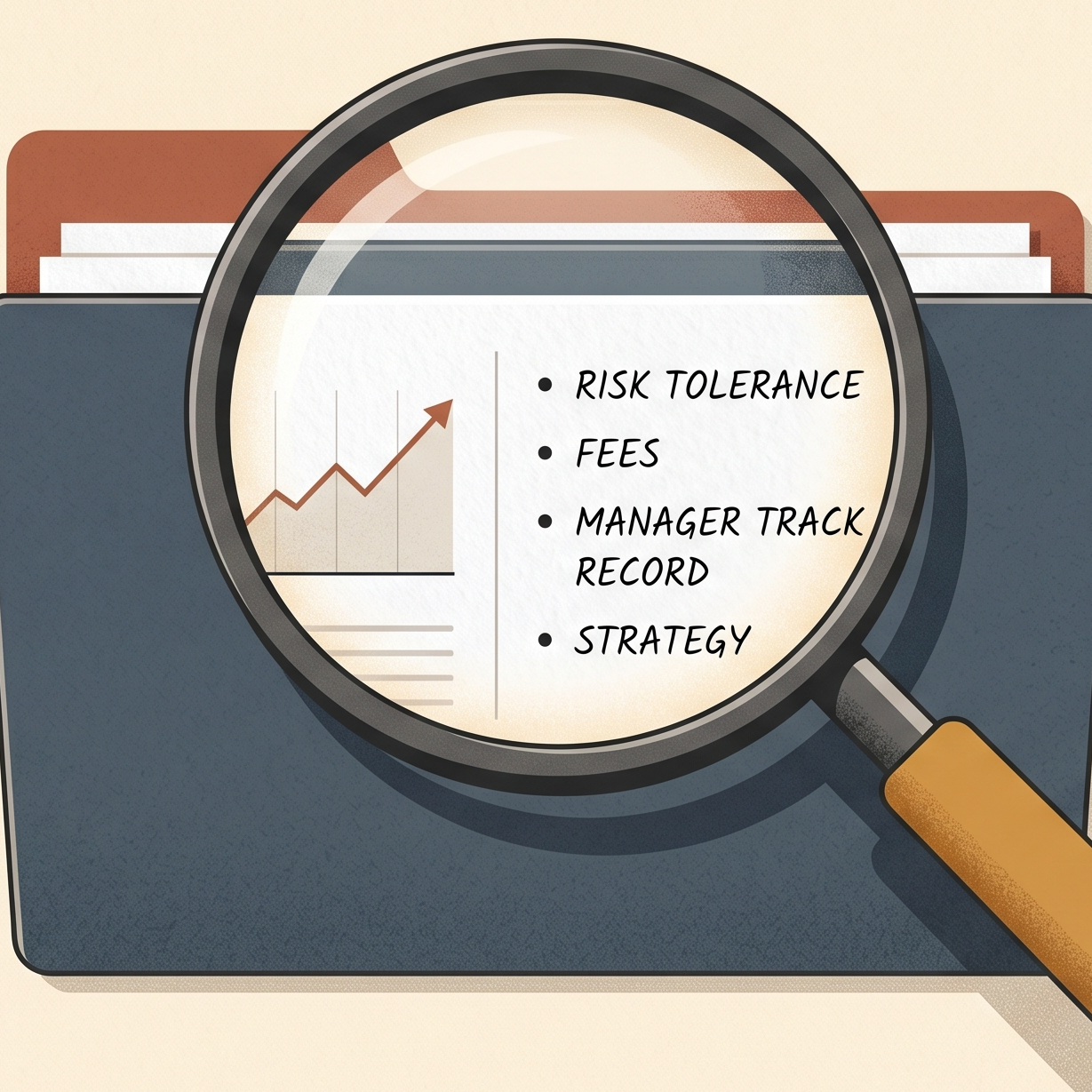
In today's investment landscape, people are looking for more than just financial returns. They want investments that align with their personal values, beliefs, and long-term financial goals. This growing preference has led to the increasing popularity of Shariah investing, an investment approach that combines ethical principles with disciplined wealth creation.
Contrary to popular belief, Shariah investing is not limited to Muslim investors. Many individuals from diverse backgrounds appreciate its focus on ethical business practices, financial transparency, and sustainable growth. By avoiding businesses involved in harmful industries and emphasizing companies with strong financial fundamentals, Shariah investing offers a unique path toward responsible investing.
Whether you are a beginner or an experienced investor, understanding how Shariah investing works can help you make informed decisions while maintaining your ethical standards.
What Is Shariah Investing?
Shariah investing refers to investing according to the principles of Islamic finance. These principles are derived from Islamic law (Shariah), which promotes fairness, transparency, and ethical business practices.
Instead of simply focusing on maximizing profits, Shariah investing ensures that investments contribute positively to society while avoiding activities considered harmful or unethical.
This investment philosophy is built on the belief that wealth should be generated through legitimate business activities rather than speculation or exploitation.
Core Principles of Shariah Investing
Shariah-compliant investing follows several important principles that guide stock selection and portfolio management.
1. Avoidance of Prohibited Industries
Companies involved in certain industries are excluded from Shariah-compliant portfolios. These typically include:
- Alcohol production and distribution
- Gambling and casinos
- Tobacco products
- Adult entertainment
- Conventional banking based on interest
- Weapons manufacturing
- Pork-related products
Investors can feel confident that their money supports businesses operating within ethical guidelines.
2. Interest-Free Investing
One of the key principles of Islamic finance is the prohibition of earning or paying excessive interest (Riba).
As a result, Shariah-compliant investments avoid companies whose primary income comes from interest-based financial activities.
3. Limited Debt Levels
Companies with excessive debt are generally not considered Shariah compliant.
Financial screening ensures businesses maintain healthier balance sheets and rely less on borrowing.
4. Real Economic Activity
Shariah investing encourages investment in businesses that produce genuine products or services rather than speculative financial instruments.
This creates portfolios based on companies with real economic value.
Why Shariah Investing Is Becoming Popular
The popularity of ethical investing has grown significantly over the last decade. Shariah investing fits perfectly within this trend because it combines responsible investing with strong financial discipline.
Several factors contribute to its increasing appeal.
Ethical Business Practices
Modern investors increasingly care about where their money goes.
Many prefer avoiding companies that profit from harmful products or unethical practices.
Shariah investing naturally aligns with this mindset.
Focus on Financial Quality
Since companies undergo financial screening before being included in Shariah-compliant portfolios, investors often gain exposure to businesses with stronger financial health.
Lower debt levels and healthier cash flows can contribute to long-term stability.
Diversified Portfolio
Shariah portfolios often include companies across sectors such as:
- Information Technology
- Healthcare
- Pharmaceuticals
- Manufacturing
- Consumer Goods
- Renewable Energy
- Infrastructure
This diversification helps reduce investment risk while maintaining ethical standards.
How Companies Become Shariah Compliant
Not every listed company qualifies for Shariah investing.
Professional screening agencies evaluate businesses using both qualitative and quantitative criteria.
Qualitative screening checks the nature of the company's business.
Quantitative screening examines financial ratios such as:
- Debt levels
- Interest income
- Cash holdings
- Receivables
Only companies meeting both business and financial requirements qualify for inclusion.
These screenings are reviewed periodically to ensure continued compliance.
Benefits of Shariah Investing
Ethical Peace of Mind
Investors know their money supports responsible businesses.
This creates confidence that financial goals are being achieved without compromising personal values.
Long-Term Investment Approach
Shariah investing generally encourages patience rather than short-term speculation.
Many compliant portfolios focus on businesses capable of generating sustainable earnings over time.
Reduced Exposure to High Debt
Since highly leveraged companies are excluded, portfolios may have lower exposure to financial distress during economic downturns.
Better Risk Management
Strict screening naturally removes many risky or speculative businesses from consideration.
This disciplined approach may contribute to more stable investment performance over longer periods.
Common Misconceptions About Shariah Investing
Myth 1: It Is Only for Muslims
This is one of the biggest misconceptions.
Anyone interested in ethical investing can choose Shariah-compliant investments.
Many non-Muslim investors appreciate the focus on transparency, sustainability, and responsible corporate behavior.
Myth 2: Returns Are Lower
There is no rule stating that Shariah-compliant investments deliver lower returns.
Performance depends on market conditions, portfolio construction, and company fundamentals.
Many Shariah-compliant companies have delivered competitive long-term growth.
Myth 3: Investment Choices Are Limited
Although certain industries are excluded, investors still have access to hundreds of publicly listed companies across multiple sectors.
Technology, healthcare, consumer products, industrial manufacturing, and renewable energy remain well represented.
Who Should Consider Shariah Investing?
Shariah investing can benefit various types of investors.
It is suitable for:
- First-time investors seeking disciplined investing
- Long-term wealth creators
- Ethical investors
- Professionals planning retirement
- Families building generational wealth
- Investors looking for diversified equity portfolios
Its principles encourage thoughtful investment decisions instead of emotional trading.
The Role of Professional Portfolio Management
Building a Shariah-compliant portfolio requires continuous monitoring.
Companies can become non-compliant due to changes in business operations or financial structure.
Professional portfolio managers regularly review holdings to ensure ongoing compliance while identifying new investment opportunities.
This active management helps investors stay aligned with both ethical standards and financial objectives.
Shariah Investing and Sustainable Finance
Interestingly, Shariah investing shares many similarities with Environmental, Social, and Governance (ESG) investing.
Both approaches emphasize:
- Responsible business conduct
- Ethical corporate governance
- Long-term sustainability
- Risk management
- Transparency
While their screening methods differ, both encourage investing in businesses that create long-term value rather than short-term gains.
Tips for New Shariah Investors
If you are considering Shariah investing, keep these practical tips in mind:
- Define your financial goals before investing.
- Invest consistently instead of trying to time the market.
- Diversify across sectors.
- Review your portfolio periodically.
- Stay invested for the long term.
- Choose professionally managed Shariah-compliant portfolios whenever possible.
Patience and discipline often play a larger role in investment success than attempting to predict market movements.
The Future of Shariah Investing
As global awareness of ethical investing continues to grow, Shariah investing is expected to gain even greater recognition.
Advancements in technology, improved portfolio management platforms, and increased investor education are making Shariah-compliant investing more accessible than ever before.
Investors today no longer need to choose between ethical values and financial growth. Modern investment solutions make it possible to pursue both simultaneously.
With increasing interest in sustainable finance, responsible corporate governance, and long-term wealth creation, Shariah investing is well positioned to remain an attractive investment strategy for years to come.
Conclusion
Shariah investing represents much more than a religious investment framework. It is a disciplined, ethical, and financially responsible approach that prioritizes transparency, sustainability, and long-term value creation. By avoiding prohibited industries, limiting exposure to excessive debt, and focusing on fundamentally strong businesses, investors can build portfolios that reflect both their financial ambitions and personal principles.
Whether you are just beginning your investment journey or looking to diversify your existing portfolio with ethically screened companies, Shariah investing offers a practical and meaningful way to grow wealth responsibly. As demand for value-based investing continues to rise, adopting a Shariah-compliant strategy can provide confidence, peace of mind, and the potential for sustainable long-term returns.


