

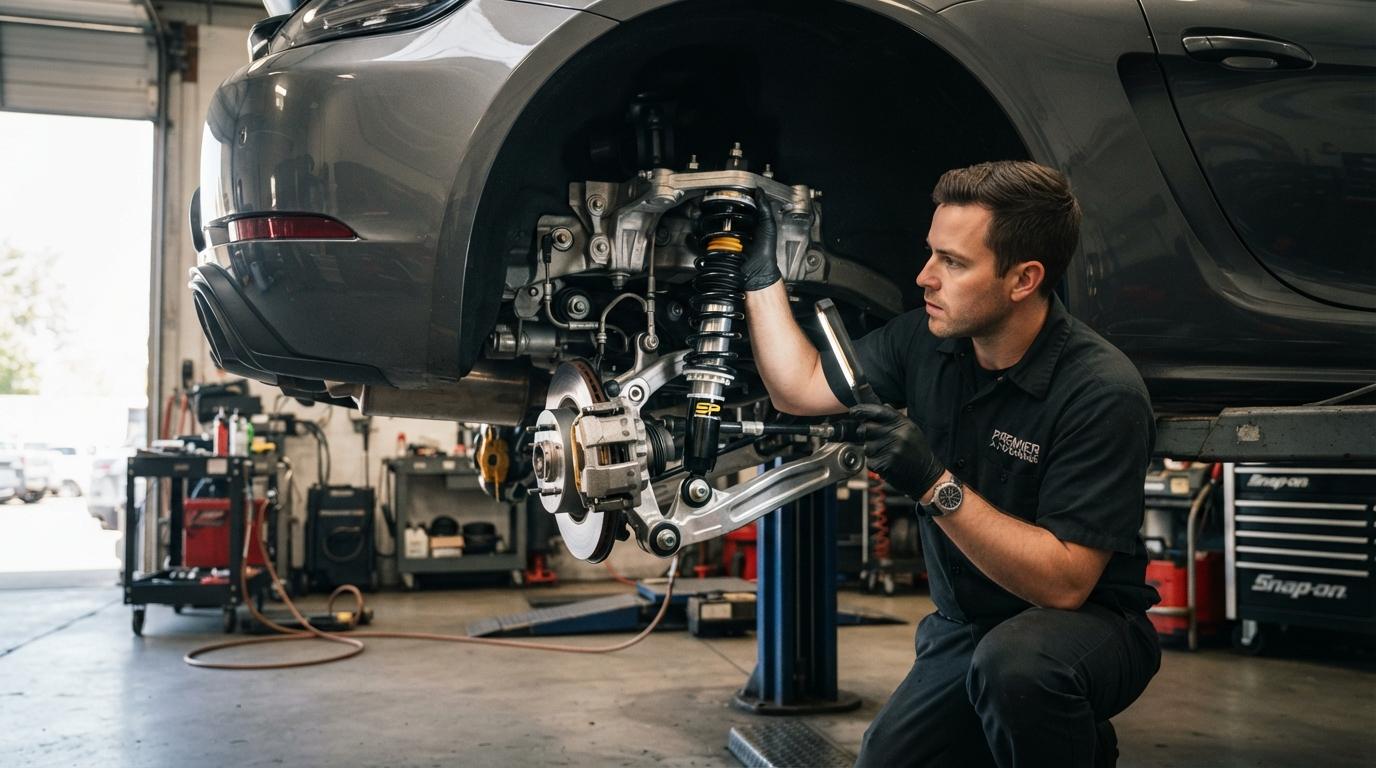
Rear Shock Absorber: Everything Drivers Need to Know for Better Comfort and Control

A rear shock absorber is one of those vehicle components that often goes unnoticed until something feels wrong. Maybe your car bounces excessively after hitting a speed breaker, feels unstable on rough roads, or produces unusual noises from the rear suspension. These are all signs that your shock absorbers may no longer be performing as they should.
Many drivers assume shock absorbers exist only for comfort. In reality, they play a major role in vehicle stability, braking performance, tire life, and overall safety. Whether you drive daily through city traffic, travel long distances on highways, or frequently encounter rough roads, healthy rear shocks make a noticeable difference.
This guide explains how rear shock absorbers work, when they need replacement, how to choose the right one, and what mistakes to avoid when buying or maintaining them.
What Is a Rear Shock Absorber?
A rear shock absorber is a suspension component designed to control the movement of the rear wheels and suspension springs.
When your vehicle encounters a pothole, bump, or uneven road surface, the springs absorb the impact. Without shock absorbers, those springs would continue bouncing repeatedly. The shock absorber controls that movement and helps the vehicle return to a stable position quickly.
Think of it as a motion controller for your suspension system.
Main Functions of a Rear Shock Absorber
-
Reduces excessive bouncing
-
Improves vehicle stability
-
Enhances ride comfort
-
Helps maintain tire contact with the road
-
Supports better braking performance
-
Reduces wear on suspension components
Without properly functioning shocks, even a new vehicle can feel unstable and uncomfortable.
How a Rear Shock Absorber Works
Shock absorbers use hydraulic fluid, gas pressure, or a combination of both to dampen suspension movement.
As the suspension moves up and down:
-
A piston moves inside a cylinder.
-
Hydraulic fluid passes through precisely engineered valves.
-
Resistance created by the fluid slows suspension movement.
-
Excess energy is converted into heat.
-
The vehicle regains stability quickly.
This process happens thousands of times during every journey.
Types of Rear Shock Absorbers
Hydraulic Shock Absorbers
These use hydraulic fluid to control suspension movement.
Advantages:
-
Cost-effective
-
Reliable for daily driving
-
Smooth ride quality
Gas-Charged Shock Absorbers
These combine hydraulic fluid with pressurized gas.
Advantages:
-
Improved handling
-
Reduced shock fade
-
Better performance on rough roads
Heavy-Duty Shock Absorbers
Designed for:
-
SUVs
-
Pickup trucks
-
Commercial vehicles
-
Vehicles carrying heavy loads
They offer greater durability and load-handling capability.
Signs Your Rear Shock Absorber Needs Replacement
Shock absorbers wear gradually, making problems easy to overlook.
Excessive Bouncing
Push down firmly on the rear of the vehicle and release it.
If it continues bouncing multiple times, worn shocks may be the cause.
Rear-End Instability
A vehicle that sways during cornering or feels loose at higher speeds often has weakened shock absorbers.
Uneven Tire Wear
Damaged shocks can prevent tires from maintaining consistent road contact.
This can result in:
-
Cupping
-
Scalloped wear patterns
-
Reduced tire life
Fluid Leaks
Visible oil leakage around the shock body is a strong indication of failure.
Clunking or Knocking Sounds
Unusual suspension noises may indicate:
-
Worn shock absorbers
-
Damaged mounts
-
Loose suspension hardware
Increased Braking Distance
Faulty shocks can reduce tire contact with the road, affecting braking performance.
Why Driving with Worn Rear Shocks Is Risky
Many drivers postpone replacement because the vehicle still moves from point A to point B.
The risks include:
-
Reduced vehicle control
-
Longer stopping distances
-
Increased tire wear
-
Poor cornering stability
-
Suspension component damage
-
Passenger discomfort
A worn shock absorber doesn't just affect comfort. It can directly impact safety.
Rear Shock Absorber vs Rear Strut
These terms are often used interchangeably, but they are different components.
|
Feature |
Shock Absorber |
Strut |
|
Controls Suspension Movement |
Yes |
Yes |
|
Supports Vehicle Structure |
No |
Yes |
|
Easier Replacement |
Usually |
More Complex |
|
Found on Rear Suspension |
Common |
Depends on Vehicle |
Always verify your vehicle's suspension design before ordering replacement parts.
How Long Does a Rear Shock Absorber Last?
There is no universal lifespan because road conditions vary significantly.
Typical replacement intervals range from:
-
50,000 to 80,000 kilometers for normal use
-
Earlier for vehicles regularly driven on rough roads
-
Longer for vehicles primarily used on smooth highways
Factors affecting lifespan include:
-
Road quality
-
Driving habits
-
Vehicle load
-
Climate conditions
-
Maintenance practices
Regular inspections are often more reliable than relying solely on mileage.
How to Choose the Right Rear Shock Absorber
Selecting the correct part involves more than matching the vehicle model.
Check Vehicle Compatibility
Confirm:
-
Make
-
Model
-
Variant
-
Manufacturing year
Small differences between variants can affect fitment.
Consider Driving Conditions
Drivers who frequently encounter:
-
Rural roads
-
Construction zones
-
Heavy traffic
-
Speed breakers
may benefit from heavy-duty or gas-charged options.
Evaluate Ride Preferences
Some shocks prioritize comfort while others focus on handling performance.
Ask yourself:
-
Do you want a softer ride?
-
Do you prefer improved cornering stability?
-
Do you frequently carry passengers or cargo?
Choose Quality Components
Reliable shock absorbers often feature:
-
Corrosion-resistant coatings
-
Durable seals
-
Precision valve technology
-
Strong mounting hardware
Cheap components may save money initially but often wear out sooner.
Buying a Rear Shock Absorber Online
Purchasing a rear shock absorber online can be convenient, provided you verify compatibility before placing an order.
Before Ordering
Check:
-
Vehicle registration details
-
OEM part number
-
Product specifications
-
Manufacturer recommendations
Look for Detailed Product Information
A quality listing should include:
-
Vehicle compatibility
-
Technical specifications
-
Installation information
-
Warranty details
Read Customer Feedback
Reviews often reveal useful information about:
-
Fitment accuracy
-
Durability
-
Ride quality
-
Installation experience
Buy from Trusted Automotive Suppliers
Established suppliers typically provide:
-
Genuine components
-
Better customer support
-
Accurate compatibility information
-
Return assistance if needed
Step-by-Step Rear Shock Absorber Inspection
While replacement should generally be handled by qualified technicians, basic inspection can help identify issues early.
Step 1: Park Safely
Use a flat surface and engage the parking brake.
Step 2: Perform a Visual Check
Inspect for:
-
Oil leaks
-
Rust damage
-
Bent shock bodies
-
Damaged mounting points
Step 3: Check Tire Wear
Look for unusual wear patterns.
Step 4: Listen During Driving
Pay attention to:
-
Knocking sounds
-
Rear suspension rattles
-
Excessive body movement
Step 5: Monitor Ride Quality
Compare current ride quality with how the vehicle felt when newer.
Subtle changes often indicate gradual wear.
Common Mistakes to Avoid
Replacing Only One Shock
Shock absorbers should generally be replaced in pairs.
Replacing only one can create uneven suspension performance.
Ignoring Minor Symptoms
Small leaks or occasional bouncing often worsen over time.
Early replacement can prevent additional suspension damage.
Choosing Based Only on Price
The cheapest option may not provide the durability or performance your vehicle requires.
Skipping Alignment Checks
After suspension work, wheel alignment may need inspection to ensure optimal handling and tire life.
Overloading the Vehicle
Consistently exceeding load limits places additional stress on shocks and suspension components.
Maintenance Tips to Extend Shock Absorber Life
Although shock absorbers are not serviceable in most vehicles, several habits can help maximize lifespan.
Drive Smoothly
Avoid:
-
Aggressive pothole impacts
-
High-speed speed breaker crossings
-
Sudden suspension loads
Maintain Proper Tire Pressure
Incorrect tire pressure increases suspension stress.
Inspect Suspension Components Regularly
Damaged bushings, springs, or mounts can accelerate shock wear.
Address Problems Early
Small suspension issues often become expensive repairs if ignored.
What Happens During Rear Shock Replacement?
A professional replacement typically involves:
-
Lifting the vehicle safely.
-
Removing wheels if necessary.
-
Disconnecting mounting hardware.
-
Installing new shock absorbers.
-
Tightening components to specification.
-
Performing a road test.
-
Inspecting overall suspension condition.
Many technicians also recommend checking springs, mounts, and bushings during the process.
Frequently Asked Questions (FAQ)
How do I know if my rear shock absorber is bad?
Common signs include excessive bouncing, fluid leaks, uneven tire wear, poor handling, knocking sounds, and reduced ride comfort.
Can I drive with a damaged rear shock absorber?
While the vehicle may still operate, driving with worn shocks can reduce stability, increase braking distance, and accelerate tire wear.
Should rear shock absorbers be replaced in pairs?
Yes. Replacing both rear shocks together helps maintain balanced suspension performance and handling.
How much does a rear shock absorber affect ride comfort?
A significant amount. Shock absorbers control suspension movement, making rides smoother and reducing harsh impacts from rough roads.
What's the difference between hydraulic and gas-charged shocks?
Gas-charged shocks typically provide improved handling and resistance to performance fade, while hydraulic shocks often prioritize ride comfort and affordability.
Is buying a rear shock absorber online safe?
Yes, provided you verify compatibility, review specifications carefully, and purchase from a reputable automotive parts supplier.
How often should rear shock absorbers be inspected?
A suspension inspection every 20,000 kilometers or during routine servicing is a good practice, especially for vehicles driven on rough roads.
Conclusion
A properly functioning rear shock absorber does far more than improve ride comfort. It helps maintain stability, supports braking performance, protects tires, and contributes to overall vehicle safety. Recognizing early warning signs such as excessive bouncing, leaks, unusual noises, or uneven tire wear can prevent larger and more expensive suspension problems later.
When shopping for a rear shock absorber online, focus on compatibility, build quality, and supplier reliability rather than price alone. Investing in the right component ensures better vehicle control, a smoother driving experience, and longer-lasting suspension performance. For quality automotive replacement parts and reliable fitment options, explore the available solutions at Mechkartz.


