
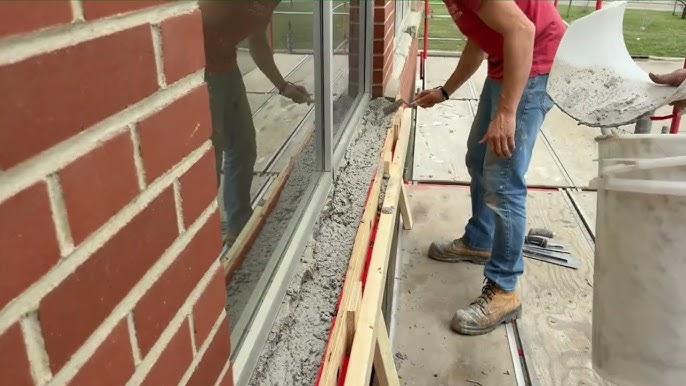
Concrete and Window Restoration

Concrete and window surfaces are among the most exposed parts of any residential or commercial property. Constant exposure to weather, moisture, sunlight, pollution, and daily wear gradually affects their appearance and structural performance. Cracked concrete, stained walls, damaged window frames, and worn finishes not only reduce the visual appeal of a building but can also lead to costly repairs if left untreated.
Concrete and Window Restoration is an effective solution that helps extend the life of your property while improving safety, durability, and energy efficiency. Rather than replacing entire structures, restoration focuses on repairing existing materials, preserving their strength, and restoring their original appearance. This approach is often more economical and environmentally friendly than complete replacement.
Whether you own a home, commercial building, or rental property, understanding the restoration process can help you make informed decisions and protect your investment for years to come.
Why Restoration Is Better Than Replacement
Replacing concrete surfaces or windows can be expensive and time-consuming. Restoration offers several practical advantages that make it a preferred choice in many situations.
Cost-Effective Investment
Restoration usually costs significantly less than replacing entire sections of concrete or installing brand-new windows. Minor defects can often be repaired before becoming major structural problems.
Preserves Structural Integrity
Many buildings have concrete and windows that remain structurally sound despite visible damage. Professional restoration strengthens existing materials while maintaining the original construction.
Improves Property Appearance
Freshly restored surfaces instantly improve kerb appeal. Clean concrete, repaired cracks, and refreshed windows create a more attractive and welcoming property.
Supports Sustainability
Restoration reduces construction waste by reusing existing materials. It also lowers the environmental impact associated with manufacturing and transporting replacement products.
Common Signs That Restoration Is Needed
Recognising early warning signs allows property owners to address issues before they become severe.
Concrete Damage
Concrete surfaces naturally deteriorate over time. Common problems include:
-
Surface cracks
-
Flaking or spalling
-
Water penetration
-
Discolouration
-
Uneven settlement
-
Exposed reinforcement
Ignoring these issues may allow moisture to enter deeper into the structure, accelerating deterioration.
Window Problems
Windows also experience wear through age and environmental exposure. Typical signs include:
-
Rotting timber frames
-
Broken seals
-
Water leaks
-
Drafts
-
Peeling paint
-
Damaged glazing
-
Difficulty opening or closing windows
These issues affect comfort and energy efficiency.
Understanding Concrete and Window Restoration
Professional Concrete and Window Restoration involves repairing, protecting, and enhancing damaged building components while preserving their original structure whenever possible. Every project begins with a detailed inspection to determine the extent of deterioration and identify the most appropriate repair methods.
Rather than simply covering visible defects, experienced restoration specialists focus on treating the underlying causes of damage. This ensures long-lasting performance instead of temporary cosmetic improvements.
The Concrete Restoration Process
Concrete restoration follows a structured process designed to maximise durability.
Initial Assessment
Professionals inspect the concrete to identify:
-
Crack patterns
-
Moisture damage
-
Structural movement
-
Surface contamination
-
Reinforcement corrosion
This assessment determines the most suitable repair strategy.
Surface Preparation
Proper preparation is essential for successful repairs.
Preparation may include:
-
Pressure washing
-
Grinding
-
Removing loose concrete
-
Cleaning contaminants
-
Treating rusted reinforcement
A clean surface allows repair materials to bond effectively.
Crack Repairs
Small cracks may be sealed using specialised fillers, while structural cracks often require injection systems that restore strength and prevent water penetration.
Surface Repairs
Damaged areas are rebuilt using high-quality repair mortars specifically designed for concrete restoration. These materials match the surrounding surface while providing excellent durability.
Protective Coatings
After repairs are complete, protective coatings help resist moisture, chemicals, UV exposure, and future weather damage.
The Window Restoration Process
Window restoration varies depending on the material, age, and condition of the windows.
Frame Repairs
Damaged timber frames are carefully repaired by removing rotten sections, treating affected areas, and rebuilding damaged portions with suitable restoration materials.
Seal Replacement
Failed seals allow moisture and air to enter the property. Replacing worn seals improves insulation and prevents water ingress.
Glass Repairs
Where possible, damaged glazing is repaired or replaced without changing the entire window frame.
Hardware Servicing
Locks, hinges, handles, and opening mechanisms are cleaned, adjusted, repaired, or replaced to ensure smooth operation.
Surface Refinishing
Frames receive fresh preparation before repainting or refinishing, protecting them from future weather exposure.
Benefits of Professional Restoration
Choosing experienced professionals provides significant long-term benefits.
Extended Lifespan
Proper repairs help concrete surfaces and windows remain functional for many additional years.
Better Energy Efficiency
Restored windows reduce heat loss, improve insulation, and help maintain comfortable indoor temperatures throughout the year.
Increased Property Value
Well-maintained buildings generally attract higher property values and create stronger first impressions for buyers and tenants.
Lower Future Maintenance
Addressing problems early prevents more extensive repairs and reduces ongoing maintenance costs.
Common Causes of Concrete and Window Damage
Understanding what causes deterioration helps property owners reduce future damage.
Weather Exposure
Rain, frost, snow, sunlight, and changing temperatures gradually weaken building materials.
Water Penetration
Moisture is one of the leading causes of deterioration. Water entering cracks can freeze during winter, expanding and creating larger structural problems.
Poor Maintenance
Small issues become larger when regular inspections and maintenance are neglected.
Ageing Materials
Every construction material has a natural lifespan. Older concrete and windows require periodic maintenance to remain in good condition.
Choosing the Right Restoration Specialists
Selecting qualified professionals makes a significant difference in the quality of the finished project.
Look for companies that offer:
-
Extensive restoration experience
-
Detailed inspections
-
High-quality repair materials
-
Transparent quotations
-
Proven workmanship
-
Positive customer reviews
-
Appropriate guarantees
A reliable contractor will explain every stage of the restoration process before work begins.
Preventative Maintenance Tips
Regular maintenance significantly extends the life of both concrete and windows.
Inspect Annually
Check for:
-
Hairline cracks
-
Water stains
-
Peeling finishes
-
Seal failures
-
Loose components
Early detection prevents expensive repairs.
Keep Surfaces Clean
Remove dirt, moss, algae, and debris regularly to reduce moisture retention.
Reseal When Necessary
Protective sealants gradually wear away. Reapplying them at recommended intervals helps prevent moisture damage.
Repair Minor Damage Promptly
Small repairs completed early are usually faster, simpler, and far less expensive than major restoration work.
When Is the Best Time for Restoration?
Although restoration can often be completed throughout the year, moderate weather conditions generally provide the best working environment.
Dry conditions allow repair materials to cure properly and help ensure longer-lasting results. Planning restoration before severe winter weather also reduces the risk of further deterioration.
Why Professional Expertise Matters
Every restoration project is unique. Different types of concrete, window materials, environmental conditions, and structural requirements require tailored repair methods.
Professional contractors use specialised equipment, industry-approved repair systems, and technical expertise to deliver durable, high-quality results that DIY repairs often cannot achieve.
Should always address both visible damage and the underlying causes of deterioration. This comprehensive approach protects the building and minimises future repair costs.
Long-Term Value of Restoration
Investing in Concrete and Window Restoration offers long-term financial and practical benefits. Restored buildings maintain their appearance, perform more efficiently, and require fewer major repairs over time. Property owners who invest in preventative restoration often save substantial amounts by avoiding premature replacement of structural components.
Routine inspections combined with timely professional repairs create a proactive maintenance strategy that protects one of your most valuable assets.
Conclusion
Maintaining concrete surfaces and windows is essential for preserving the safety, appearance, and long-term value of any property. Professional restoration helps prevent structural deterioration, improves energy efficiency, and extends the lifespan of existing materials without the high costs associated with full replacement. By addressing problems early and following a regular maintenance schedule, property owners can enjoy durable results for many years. For dependable workmanship and professional restoration solutions tailored to your property's needs, Ultimate Painters and Renovations provides trusted services designed to deliver lasting quality and exceptional results.


