
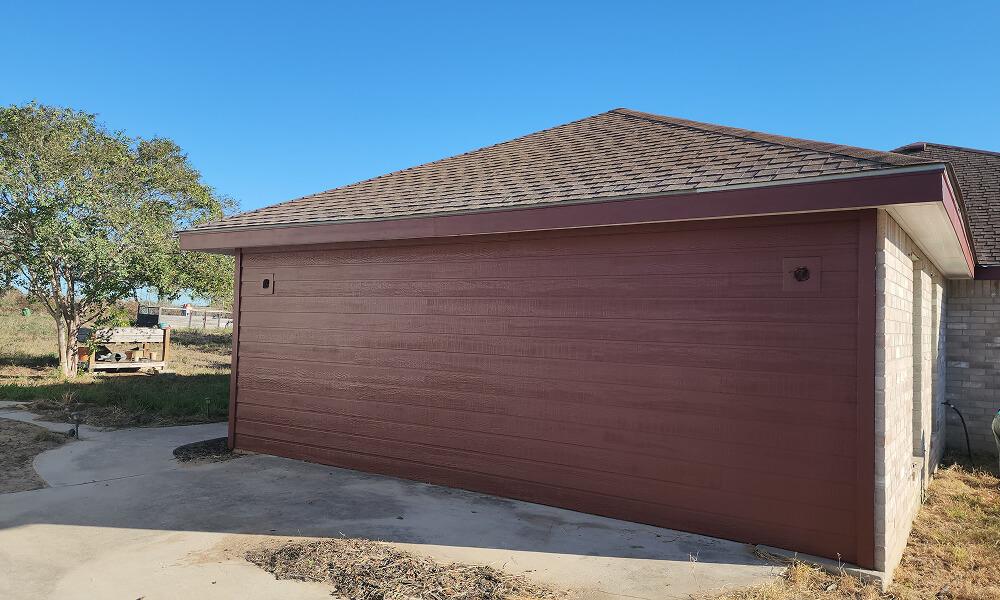
Which Siding Performs Best in Hot Climates?
Hot climates can be tough on a home's exterior. Intense sunlight, high temperatures, and prolonged UV exposure gradually wear down many building materials. That's why choosing the right siding isn't just about appearance. it's about protecting your home, improving energy efficiency, and reducing long-term maintenance.
What Makes Siding Suitable for Hot Climates?
The best siding for warm regions should:
-
Resist fading from UV rays
-
Withstand extreme temperatures without warping
-
Provide good insulation to improve energy efficiency
-
Resist moisture, insects, and weather damage
-
Require minimal maintenance over time
Here are some of the best siding options for homes in hot climates.
Fiber Cement Siding
Fiber cement is widely considered one of the top choices for hot weather. Made from cement, sand, and cellulose fibers, it offers outstanding durability and excellent resistance to heat, fire, moisture, and pests.
Benefits include:
-
Excellent UV resistance
-
Doesn't warp or crack easily
-
Long lifespan
-
Low maintenance
-
Available in many styles and colours
Insulated Vinyl Siding
Modern insulated vinyl siding has improved significantly over the years. While standard vinyl may expand in extreme heat, insulated versions provide better thermal performance and help reduce heat transfer into your home.
Benefits include:
-
Affordable
-
Energy efficient
-
Low maintenance
-
Resistant to moisture
-
Available in many colours and textures
Engineered Wood Siding
Engineered wood combines the natural beauty of wood with improved durability. It is treated to resist moisture, insects, and decay while standing up better to changing weather conditions than traditional wood.
Benefits include:
-
Attractive wood appearance
-
Better resistance to weather
-
Easier maintenance than natural wood
-
Lightweight and durable
Metal Siding
Steel and aluminium siding perform well in hot climates because they are durable and resistant to fire and insects. Proper installation and insulation help maximise energy efficiency.
Benefits include:
-
Extremely durable
-
Fire resistant
-
Minimal maintenance
-
Modern appearance
Does New Siding Improve Energy Efficiency?
Yes. High-quality siding combined with proper insulation helps reduce heat transfer, making it easier for your HVAC system to maintain comfortable indoor temperatures. This can improve comfort and may contribute to lower energy costs throughout the year.
Factors to Consider Before Choosing Siding
Before selecting a siding material, think about:
-
Local weather conditions
-
Your home's architectural style
-
Maintenance requirements
-
Energy efficiency goals
-
Budget
-
Expected lifespan
Working with an experienced contractor ensures you choose a siding solution that matches both your home and climate.
Why Professional Installation Matters
Even the highest-quality siding won't perform as expected if it's installed incorrectly. Proper installation protects against moisture intrusion, improves insulation, and helps extend the life of your siding.
Professional contractors also inspect the wall structure, install moisture barriers when needed, and ensure every panel is securely fitted for long-lasting performance.
Trust JC Painting and Remodeling for Quality Siding Installation
If you're planning to replace your siding, JC Painting and Remodeling provides reliable siding installation and replacement services designed to protect and enhance your home. Their experienced team works with durable, high-quality materials and helps homeowners choose the best siding for their climate, style, and budget.
From the initial consultation to the final installation, JC Painting and Remodeling is committed to delivering exceptional workmanship, improved energy efficiency, and lasting curb appeal. Whether you're upgrading aging siding or completing a full exterior renovation, they can help you achieve results that stand the test of time.
Final Thoughts
The best siding for hot climates combines durability, UV resistance, and energy efficiency. Fiber cement, insulated vinyl, engineered wood, and metal siding are all excellent options, each offering unique advantages depending on your home's needs.
Investing in the right siding and having it professionally installed will help protect your property, enhance its appearance, and provide long-term value for years to come.


