

hnologies that allow employees to work securely, efficiently, and collaboratively from virtually any location. One of the most effective solutions supporting this transformation is the virtual workstation. By delivering a complete desktop environment through cloud or data center infrastructure, virtual workstations provide employees with reliable access to business applications, files, and computing resources without being tied to a physical office computer.
Virtual workstation solutions help businesses improve productivity, strengthen data security, reduce IT costs, and simplify infrastructure management. Whether supporting remote employees, contractors, or global teams, these solutions create a consistent and secure digital workspace that enhances business performance.
What Is a Virtual Workstation?
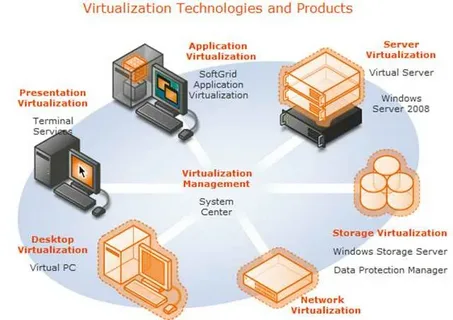
A virtual workstation is a software-based desktop environment hosted on centralized servers or cloud infrastructure instead of a local computer. Employees connect to their virtual workstation using a secure internet connection from laptops, desktops, tablets, or thin clients.
Unlike traditional desktop computers, virtual workstations process data on remote servers while displaying the desktop interface on the user's device. This means users experience the same familiar operating system, applications, and files regardless of where they work.
Because computing resources are centralized, businesses gain greater control over security, maintenance, and system performance.
Why Businesses Are Adopting Virtual Workstations
Remote work has increased the demand for flexible and secure computing environments. Traditional office desktops are difficult to manage when employees work from multiple locations.
Virtual workstation solutions address these challenges by providing:
-
Secure remote access
-
Consistent user experiences
-
Simplified IT administration
-
Improved collaboration
-
Better business continuity
-
Flexible resource allocation
-
Lower hardware costs
These advantages make virtual workstations an attractive investment for businesses seeking long-term digital transformation.
Boosting Employee Productivity
One of the greatest benefits of virtual workstation technology is improved productivity. Employees can securely access their personalized desktop from nearly any device with an internet connection.
Whether working from home, traveling, or visiting clients, users continue working without interruptions because their applications, settings, and files remain available through their virtual environment.
Virtual workstations eliminate many common productivity obstacles, including:
-
File synchronization issues
-
Software compatibility problems
-
Device limitations
-
Lost work due to hardware failure
-
Delays caused by office-only systems
This flexibility enables employees to focus on their work instead of technical challenges.
Enhanced Security for Remote Work
Protecting business information has become increasingly important as cyber threats continue to evolve.
Virtual workstation solutions improve security by keeping sensitive data within centralized servers rather than storing it on employee devices. Even if a laptop is lost or stolen, company information remains protected because files never leave the secure environment.
Additional security features often include:
-
Multi-factor authentication
-
End-to-end encryption
-
Centralized access controls
-
Continuous monitoring
-
Automatic software updates
-
Data backup and disaster recovery
These protections help organizations meet compliance requirements while reducing cybersecurity risks.
Simplified IT Management
Managing physical computers across multiple locations requires significant time and resources.
Virtual workstation infrastructure simplifies administration by allowing IT teams to manage desktops from a centralized platform. Administrators can install applications, deploy updates, monitor performance, and troubleshoot issues remotely.
This centralized management reduces maintenance costs while improving operational efficiency.
IT teams also benefit from:
-
Faster workstation deployment
-
Standardized desktop configurations
-
Automated patch management
-
Easier software licensing
-
Reduced support requests
As a result, organizations spend less time maintaining hardware and more time improving business operations.
Cost-Effective Infrastructure
Virtual workstations help businesses lower both capital and operational expenses.
Since processing occurs on centralized servers, employees can use existing computers or affordable thin clients instead of expensive high-performance workstations.
Organizations also save money by reducing:
-
Hardware replacement costs
-
Office equipment purchases
-
Energy consumption
-
Maintenance expenses
-
On-site IT support visits
Cloud-based virtual workstation services further reduce infrastructure investments by allowing businesses to pay only for the computing resources they actually use.
Supporting Business Scalability
As businesses grow, their technology requirements evolve. Hiring new employees or expanding into additional locations often requires rapid deployment of computing resources.
Virtual workstation solutions make scaling much easier. New workstations can be created in minutes, allowing employees to begin working immediately without waiting for physical hardware.
Similarly, organizations can quickly adjust computing resources to match changing workloads, ensuring optimal performance while controlling costs.
This flexibility supports seasonal staffing, project-based teams, and international expansion.
Business Continuity and Disaster Recovery
Unexpected disruptions such as natural disasters, cyberattacks, or office closures can interrupt business operations.
Virtual workstation solutions strengthen business continuity by allowing employees to continue working from any secure location with internet access.
Since applications and data remain stored within centralized infrastructure, businesses can restore services quickly after unexpected incidents. Regular backups and redundant systems further reduce downtime and protect valuable information.
This resilience helps organizations maintain productivity regardless of external circumstances.
Industries That Benefit from Virtual Workstations
Virtual workstation technology supports a wide range of industries.
Healthcare organizations use secure virtual desktops to protect patient information while enabling remote access for healthcare professionals.
Financial institutions rely on centralized security to safeguard confidential customer data and comply with industry regulations.
Engineering firms, architects, and designers benefit from high-performance virtual workstations capable of running resource-intensive software.
Educational institutions provide students and faculty with secure access to learning applications, while software developers use virtual environments for testing and development projects.
Government agencies, legal firms, customer support centers, and consulting companies also benefit from secure and centrally managed virtual workstations.
Choosing the Right Virtual Workstation Solution
Selecting the right virtual workstation platform requires careful planning.
Businesses should evaluate:
-
Security features
-
Performance and reliability
-
Scalability
-
Cloud or on-premises deployment
-
Ease of management
-
Application compatibility
-
Vendor support
-
Disaster recovery capabilities
-
Total cost of ownership
A well-planned implementation ensures the solution meets both current business requirements and future growth objectives.
The Future of Virtual Workstations
As cloud computing, artificial intelligence, and remote collaboration technologies continue advancing, virtual workstations will become even more powerful.
Future developments are expected to include AI-driven resource optimization, stronger cybersecurity protections, faster graphics performance, and improved integration with cloud-based productivity tools. Businesses will also benefit from greater automation in desktop provisioning, monitoring, and maintenance.
These innovations will enable organizations to provide secure, high-performance work environments while reducing operational complexity.
Conclusion
Virtual workstation solutions have become a key technology for improving remote business productivity. By providing secure access to centralized computing resources, businesses can support flexible work environments, strengthen cybersecurity, simplify IT management, and reduce infrastructure costs. Employees benefit from consistent access to their applications and data from virtually any location, while organizations gain the scalability and resilience needed to adapt to changing business demands. As remote and hybrid work continue to shape the future of employment, investing in virtual workstation solutions is a smart strategy for businesses seeking greater efficiency, enhanced security, and long-term growth.


