
Body Spare Parts: A Complete Guide to Choosing the Right Replacement Parts for Your Vehicle

Body Spare Parts: A Complete Guide to Choosing the Right Replacement Parts for Your Vehicle
Vehicle body parts do much more than improve appearance. They protect passengers, improve aerodynamics, support structural integrity, and help maintain the resale value of a vehicle. Whether you've experienced a minor accident, normal wear and tear, or simply want to restore your vehicle's original look, selecting the right body spare parts is essential.
This guide explains the most common automotive body spare parts, how to choose quality replacements, and where to buy reliable components.
What Are Body Spare Parts?
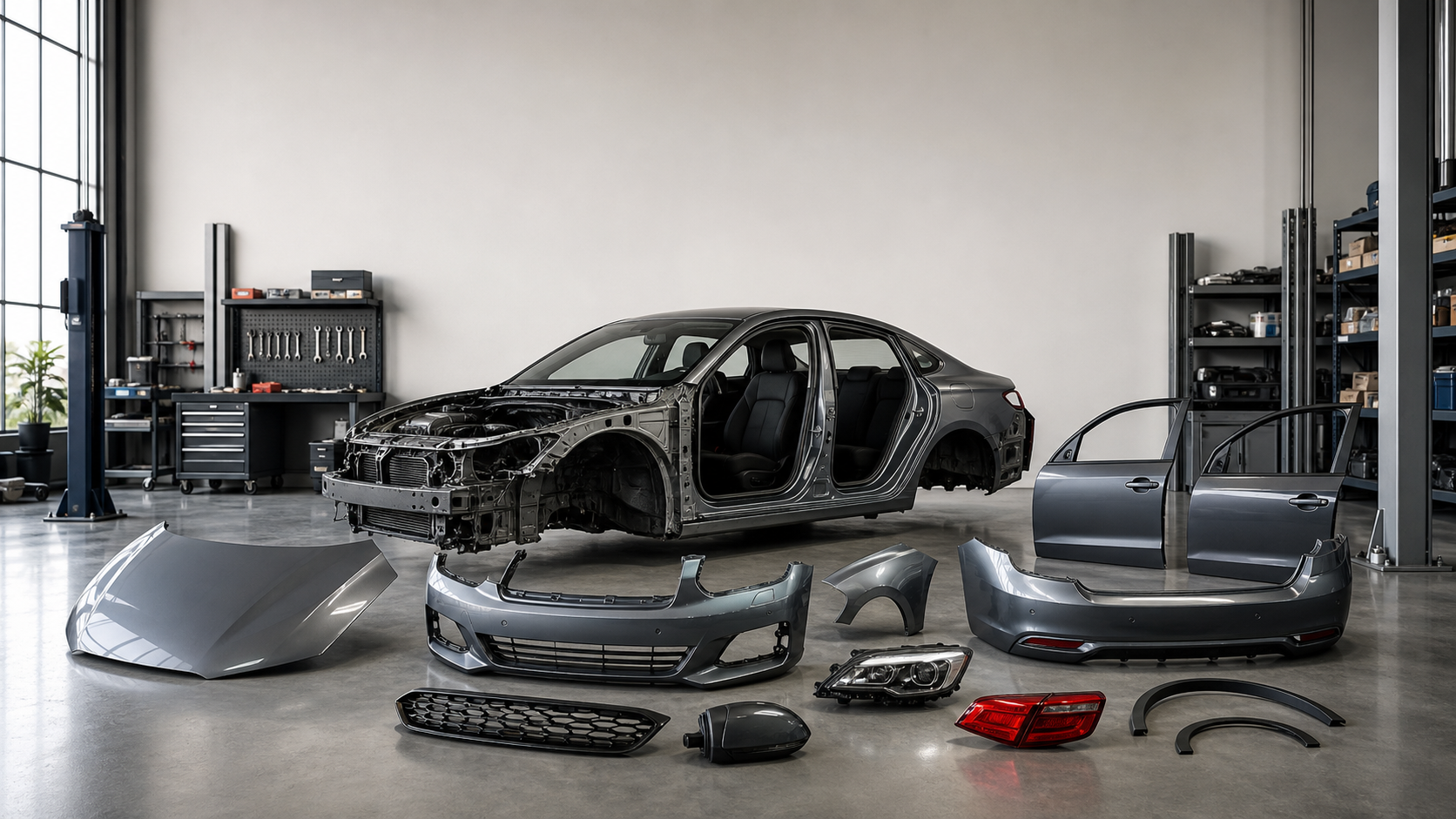
Body spare parts are the exterior and structural components of a vehicle that can be replaced when damaged or worn. Unlike engine or suspension parts, these components primarily affect the vehicle's body structure, safety, and appearance.
Common body spare parts include:
-
Front bumper
-
Rear bumper
-
Bonnet (hood)
-
Fender
-
Front grille
-
Doors
-
Side mirrors
-
Headlight assemblies
-
Tail lights
-
Radiator support
-
Roof panels
-
Quarter panels
-
Door handles
-
Mudguards
-
Wheel arch covers
These parts are available as OEM (Original Equipment Manufacturer) and aftermarket replacements.
Why Quality Body Spare Parts Matter
Installing high-quality body parts offers several benefits:
Better Safety
Properly manufactured replacement panels maintain the vehicle's structural strength and impact protection.
Improved Fitment
Quality parts fit accurately without requiring excessive modifications, saving installation time.
Longer Service Life
Durable materials resist corrosion, weather damage, and daily wear.
Enhanced Appearance
Well-fitted replacement body panels restore the factory look of the vehicle.
Higher Resale Value
Vehicles repaired using quality body spare parts generally retain better market value.
Types of Automotive Body Spare Parts
Front-End Components
The front section experiences the highest risk of collision damage.
Examples include:
-
Front bumper
-
Front grille
-
Hood
-
Headlights
-
Radiator support
-
Fender
Side Body Components
These parts protect passengers and contribute to structural integrity.
Common examples include:
-
Doors
-
Door handles
-
Side mirrors
-
Side mouldings
-
Window trims
Rear Body Components
Rear-end replacement parts include:
-
Rear bumper
-
Tailgate
-
Tail lamps
-
Boot lid
-
Rear reflectors
Exterior Accessories
Some body components improve both aesthetics and functionality.
Examples include:
-
Mud flaps
-
Wind deflectors
-
Spoilers
-
Wheel arch covers
-
Chrome trims
OEM vs Aftermarket Body Spare Parts
|
OEM Parts |
Aftermarket Parts |
|
Manufactured to original specifications |
Produced by third-party manufacturers |
|
Exact fit |
Quality varies by manufacturer |
|
Usually more expensive |
Often more affordable |
|
Consistent quality |
Available in multiple quality grades |
|
Manufacturer-backed |
Depends on supplier |
Both options can be suitable depending on your budget and vehicle requirements.
How to Choose the Right Body Spare Parts
Before purchasing replacement body components, consider the following:
Verify Vehicle Compatibility
Check:
-
Vehicle make
-
Model
-
Manufacturing year
-
Variant
-
VIN (Vehicle Identification Number)
Compatibility helps ensure proper installation.
Material Quality
Body parts are commonly made from:
-
Steel
-
Aluminum
-
ABS plastic
-
Polypropylene
-
Composite materials
Choose materials that match your vehicle's original specifications whenever possible.
Paint Readiness
Many replacement panels come unpainted.
Confirm whether the part requires:
-
Primer coating
-
Surface preparation
-
Professional painting
Fit and Finish
Poor-quality panels may result in:
-
Uneven panel gaps
-
Water leakage
-
Difficult installation
-
Premature rusting
Choosing quality replacement parts helps avoid these issues.
Signs Your Vehicle Needs New Body Spare Parts
Consider replacing damaged body parts if you notice:
-
Cracked bumpers
-
Bent fenders
-
Broken headlights
-
Loose side mirrors
-
Rusted body panels
-
Damaged grille
-
Misaligned doors
-
Corroded wheel arches
Replacing damaged components promptly can prevent additional repair costs.
Tips for Maintaining Vehicle Body Parts
Regular maintenance helps extend the life of replacement components.
Some useful practices include:
-
Wash your vehicle regularly.
-
Remove road salt and mud.
-
Repair paint chips quickly.
-
Wax painted surfaces periodically.
-
Inspect body panels after minor impacts.
-
Replace damaged clips and fasteners.
-
Park in covered areas whenever possible.
Where to Buy Reliable Body Spare Parts
Buying from a trusted supplier reduces the risk of receiving poor-quality or incompatible components.
A reputable automotive parts supplier should offer:
-
Wide product selection
-
Vehicle compatibility assistance
-
Competitive pricing
-
Secure packaging
-
Reliable customer support
If you're looking for quality automotive replacement components, Mechkartz offers a broad selection of body spare parts for various vehicle models. Their catalog includes exterior body components, lighting assemblies, and other automotive replacement parts to help maintain your vehicle's safety and appearance. You can explore available products at https://mechkartz.com/.
Frequently Asked Questions
What are body spare parts?
Body spare parts are replacement components for a vehicle's exterior structure, including bumpers, doors, fenders, bonnets, mirrors, grilles, and lighting assemblies.
Are aftermarket body parts reliable?
Many aftermarket body parts provide good quality when sourced from reputable manufacturers. Always verify compatibility and material quality before purchasing.
How do I know if a body part fits my vehicle?
Check the vehicle's make, model, production year, variant, and VIN before ordering replacement parts.
Can damaged body parts affect safety?
Yes. Structural damage, broken lighting, and improperly fitted body panels may reduce vehicle safety and should be repaired promptly.
Should I replace or repair damaged body panels?
Minor dents can often be repaired, while severely bent, cracked, or rusted panels usually require replacement.
Final Thoughts
Body spare parts are an important investment in your vehicle's safety, appearance, and long-term value. Whether replacing a damaged bumper, installing a new grille, or restoring accident-related damage, selecting high-quality components makes a significant difference.
Always verify compatibility, choose reliable suppliers, and prioritize proper installation for the best results. By investing in quality replacement body parts, you can keep your vehicle looking great while maintaining its structural integrity for years to come.


