
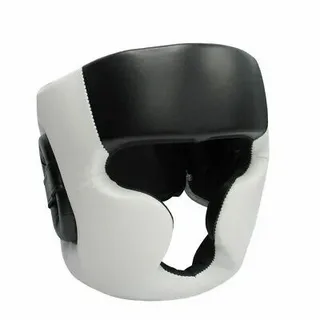
Boxing Head Guard: The Essential Gear for Protection, Confidence, and Better Training

Boxing is a sport that demands focus, discipline, speed, and precision. Every training session brings opportunities to sharpen technique, improve endurance, and build confidence inside the ring. While gloves often receive the most attention, a boxing head guard is another important piece of equipment that contributes to a safer and more productive training experience.
A well-designed boxing head guard provides cushioning around key areas of the head while allowing athletes to maintain visibility and mobility. It is commonly used during sparring sessions where controlled contact helps boxers prepare for competition. Whether someone is stepping into a boxing gym for the first time or has years of experience, choosing the right head guard can make training more comfortable and enjoyable.
Understanding how a head guard works, the features to consider, and the proper way to maintain it helps athletes get the best value from their investment. Selecting suitable equipment supports consistent practice and encourages confidence throughout every round.
What Is a Boxing Head Guard?
A boxing head guard is protective equipment worn around the head during sparring and certain training sessions. It covers various areas including the forehead, cheeks, sides of the head, ears, and back of the head. Some designs also provide additional coverage around the chin or face depending on the intended purpose.
Unlike competition bouts where amateur or professional regulations determine equipment requirements, head guards are primarily intended for training. Their purpose is to provide an additional layer of protection while allowing athletes to practice offensive and defensive skills against a partner.
Modern head guards combine protective padding with lightweight construction to ensure comfort without significantly restricting movement.
Why a Boxing Head Guard Is Important
Every sparring session involves punches from different angles. Although coaches encourage controlled contact, accidental harder shots can occur. Wearing a head guard helps reduce the impact felt during these moments and makes training sessions more manageable.
Confidence is another valuable benefit. Beginners often feel nervous during their first sparring experiences. Wearing suitable protective equipment can help reduce anxiety, allowing them to focus on learning proper technique instead of worrying about every incoming punch.
Experienced athletes also benefit from head guards because they participate in frequent sparring sessions throughout the year. Consistent protection supports long-term training routines while allowing boxers to develop timing, footwork, and defensive awareness.
Different Types of Boxing Head Guards
Several styles of boxing head guards are available, each designed for specific training preferences.
Traditional training head guards offer balanced coverage across the forehead, cheeks, ears, and back of the head. They are popular among beginners and experienced athletes alike because they provide a practical balance between protection and visibility.
Cheek protection head guards include padded sections that extend over the cheeks. These models provide additional facial coverage while maintaining a wide field of vision.
Full-face head guards include protective bars or reinforced padding across the front of the face. Many athletes choose these designs when recovering from facial injuries or when they want extra protection during technical sparring.
Competition-style head guards prioritize visibility and mobility while still providing essential protection. They often feature streamlined designs that allow athletes to react quickly during fast-paced exchanges.
Choosing the right style depends on training intensity, coaching recommendations, and personal comfort.
Materials Used in Modern Boxing Head Guards
The quality of materials plays an important role in overall durability and comfort.
Many premium head guards use genuine leather for the outer covering. Leather offers excellent durability and develops a comfortable fit over time with proper care.
Synthetic materials are another common option. They provide dependable performance while remaining affordable, making them suitable for beginners and recreational athletes.
The interior usually contains layered foam padding designed to absorb impact efficiently. Soft inner linings help improve comfort while reducing friction during movement.
Adjustable straps, secure closures, and reinforced stitching further contribute to the overall quality and lifespan of the equipment.
Finding the Right Fit
A properly fitted head guard performs better than one that is either too loose or too tight.
The equipment should remain securely in place during movement without shifting when punches land. If it moves excessively, visibility may become affected and protection may decrease.
An overly tight fit can become uncomfortable during longer training sessions and may create unnecessary pressure around the head.
Many manufacturers offer multiple sizes designed for juniors, teenagers, and adults. Measuring head circumference according to the manufacturer's sizing guide provides a reliable starting point.
After fastening all straps, athletes should practice moving, slipping, ducking, and turning their heads to confirm the head guard remains stable.
Visibility Matters
One of the most important characteristics of a quality boxing head guard is clear visibility.
Boxers rely heavily on their vision to read punches, judge distance, and respond quickly. Excessive padding around the eyes can limit awareness and reduce reaction speed.
Modern designs aim to provide sufficient protection without creating unnecessary blind spots. A balanced design allows athletes to maintain awareness while benefiting from protective padding.
Trying different models helps identify which style offers the best combination of visibility and coverage.
Comfort During Training
Comfort becomes increasingly important during extended sparring sessions.
A lightweight head guard reduces strain around the neck while allowing natural movement. Breathable interior materials help improve overall comfort throughout training.
Proper ventilation also contributes to a more pleasant experience by allowing airflow inside the equipment.
Smooth interior linings reduce irritation and help athletes remain focused on technique rather than adjusting uncomfortable gear between rounds.
Stability and Secure Fastening
A head guard should stay firmly positioned throughout every round.
Most models include adjustable straps around the chin and rear of the head. Some designs also feature additional adjustment points across the top for a customized fit.
Secure fastening ensures the equipment remains aligned with the athlete's face during movement.
Before every sparring session, straps should be checked for proper adjustment to prevent unwanted movement during training.
Protection Without Restricting Movement
Effective boxing requires constant head movement, footwork, and quick reactions.
An ideal head guard provides reliable protection while allowing athletes to slip punches, roll under attacks, and move naturally around the ring.
Excessively bulky designs may interfere with defensive techniques or reduce mobility.
Finding the right balance between protection and flexibility allows athletes to train with greater confidence and efficiency.
Caring for Your Boxing Head Guard
Proper maintenance helps preserve appearance, comfort, and durability.
After each training session, wiping the exterior and interior with a clean cloth removes sweat and moisture. Allowing the equipment to air dry naturally helps maintain freshness.
Storing the head guard in a dry location prevents unpleasant odors and helps maintain the quality of the padding and lining.
Regular inspection of straps, stitching, and padding ensures any signs of wear are identified before they affect performance.
Simple maintenance habits can significantly extend the life of training equipment.
Common Mistakes When Buying a Head Guard
Many first-time buyers focus only on appearance.
A stylish design may look appealing, but fit, protection, comfort, and visibility are far more important during regular training.
Another common mistake is purchasing the least expensive option without considering construction quality. A dependable head guard usually offers stronger stitching, better padding, and improved durability.
Ignoring size recommendations can also lead to discomfort or reduced effectiveness. Taking accurate measurements before purchasing helps avoid unnecessary problems.
Choosing equipment based on training needs rather than appearance often leads to greater satisfaction over time.
When Should a Boxing Head Guard Be Replaced?
Protective equipment naturally experiences wear after repeated use.
Visible damage such as torn padding, worn straps, loose stitching, or reduced cushioning indicates it may be time for replacement.
Even if external damage appears minimal, older equipment may gradually lose its protective qualities after years of regular sparring.
Athletes who train frequently should inspect their equipment regularly and replace it whenever performance or fit begins to decline.
Reliable equipment supports consistent and comfortable training.
Boxing Head Guards for Beginners
New boxers often benefit greatly from wearing a quality head guard during early sparring sessions.
Learning defensive techniques becomes easier when beginners feel more confident inside the ring. Instead of worrying about every incoming punch, they can concentrate on proper stance, movement, and combinations.
Coaches frequently recommend beginner-friendly models that provide generous coverage while maintaining comfortable visibility.
Building confidence from the beginning encourages continued improvement and enjoyment of the sport.
Boxing Head Guards for Advanced Athletes
Experienced athletes often have different priorities.
Many advanced boxers prefer streamlined designs that maximize visibility and allow quicker reactions during technical sparring.
Since experienced athletes understand defensive positioning, they often choose models that balance protection with unrestricted movement.
Training goals, coaching philosophy, and personal preference all influence the selection process.
The Role of a Head Guard in Skill Development
Protective equipment does not replace proper technique, but it creates an environment where athletes can practice with greater confidence.
Repeated sparring sessions allow boxers to improve timing, distance management, defensive awareness, and counterpunching skills.
Feeling comfortable during training encourages athletes to remain focused on learning instead of hesitation.
Over time, consistent practice supported by reliable equipment contributes to better overall performance.
Conclusion
A boxing head guard remains one of the most valuable pieces of protective equipment for sparring and regular training. From beginners developing basic skills to experienced athletes refining advanced techniques, the right head guard offers dependable protection while supporting comfort, visibility, and confidence.
Selecting a model with quality materials, secure adjustment, balanced padding, and a proper fit allows athletes to train effectively throughout the year. Regular care and timely replacement further ensure consistent performance and durability.
Investing in a dependable boxing head guard is an investment in safer practice, improved confidence, and long-term progress. When paired with disciplined coaching and consistent training, this essential piece of equipment helps every boxer focus on learning, improving, and enjoying every moment inside the ring.


