

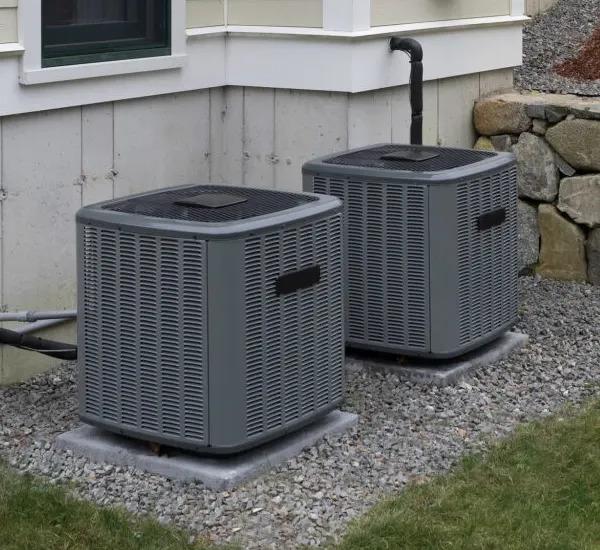
Best HVAC Replacement Services in Jacksonville Beach, FL: Planning for a Smooth Installation

Best HVAC Replacement Services in Jacksonville Beach, FL: Planning for a Smooth Installation
Replacing your home’s central heating and cooling infrastructure is a major financial and structural milestone. Along the Northeast Florida coast, where systems face intense sub-tropical heatwaves, heavy humidity, and corrosive salt air, a building's climate control system works harder than almost anywhere else in the country.
When your existing unit begins to short-cycle, drive up your utility bills, or require frequent, expensive repairs, planning a proactive upgrade is the most cost-effective path forward. Partnering with a premier Full HVAC Unit Replacement provider ensures your home moves to a high-efficiency system designed to withstand our marine climate.
1. Navigating System Sizing via Proper Engineering
When investing in a new system, you should never rely on basic square-footage guessing games or simply install the exact same size unit as your old one. Sizing an HVAC unit correctly requires a careful engineering process.
       ┌────────────────────────────────────────────────────────┐
       │             Equipment Sizing Choice & Impact           │
       └───────────────────────────┬────────────────────────────┘
                                   │
         ┌─────────────────────────┴─────────────────────────┐
         ▼                                                   ▼
┌─────────────────────────────────┐       ┌─────────────────────────────────┐
│     Oversized "Rule of Thumb"   │       │   Engineered Manual J Match     │
├─────────────────────────────────┤       ├─────────────────────────────────┤
│ • Rapid on/off short-cycling    │       │ • Continuous, low-power runs    │
│ • Trapped humidity (>60% RH)    │       │ • Balanced moisture extraction   │
│ • Excessive compressor stress   │       │ • Maximum SEER2 energy savings  │
└─────────────────────────────────┘       └─────────────────────────────────┘
Professional teams protect your home by conducting an official ACCA Manual J load calculation before recommending equipment. This precise engineering step evaluates a wide range of real-world variables, including your home's unique solar orientation, window efficiency ratings, ceiling insulation R-values, and local humidity levels. Sizing your equipment correctly ensures it runs the steady, long cycles required to balance temperatures, manage indoor moisture levels, and minimize operational costs.
2. The Step-by-Step Installation Process
A standard residential replacement typically takes between 4 to 8 hours, meaning your home's climate control is usually fully restored by the end of a single working day. Below is the typical sequence of events from the moment the technicians pull into your driveway.
3. Marine-Grade Defenses for Jacksonville Beach Homes
Properties in Jacksonville Beach deal with a persistent environmental threat: salt-air corrosion. Marine air carries elevated concentrations of sodium chloride, which deposits directly onto thin aluminum fins wrapped around copper tubing. This triggers galvanic corrosion, which quickly causes pinhole refrigerant leaks and catastrophic system failure.
To ensure your equipment survives this harsh coastal environment, premium heating and cooling installation layouts include specific structural defenses:
-
All-Aluminum Metallurgy: Top-tier experts utilize single-metal, all-aluminum alloy coils to eliminate the bi-metal junctions where galvanic corrosion typically starts.
-
Factory Anti-Corrosive Shielding: Condenser coils are protected with factory-applied phenolic or epoxy coatings, shielding vulnerable surfaces from salt air without reducing vital heat transfer.
-
Hurricane-Rated Anchoring: To comply with strict local Florida building codes, outdoor units are secured to heavy-duty pads using certified hurricane tie-down brackets designed to withstand high-velocity coastal winds.
Frequently Asked Questions
Do I need to leave my home during the installation?
No, you do not need to vacate your property. However, keep in mind that the power to your heating and cooling system will be completely turned off during the project, meaning your home will warm up or cool down to match the outside temperature. Because technicians will be moving heavy machinery through entryways and working with open electrical breakers, it is highly recommended to keep small children and family pets safely secured in an unaffected room.
Should I replace my indoor air handler and outdoor condenser at the same time?
Yes, it is highly recommended to replace your complete system together. Central heating and cooling systems are engineered as precisely matched pairs; the indoor evaporation coil must match the outdoor condenser's capacity and refrigerant profile to hit its rated SEER2 efficiency. Mixing a brand-new outdoor unit with an outdated indoor air handler restricts airflow, forces system pressures out of balance, cuts down your operating efficiency, and instantly voids the manufacturer's warranty.
Why is indoor relative humidity control so important during a Florida summer?
In high-humidity coastal regions, true comfort depends heavily on pulling moisture out of the air. When an HVAC system is oversized or poorly calibrated, it drops indoor air temperatures too quickly and shuts off before completing a full dehumidification cycle. This results in a cold, damp indoor environment. Professional installation ensures proper runtimes that steadily extract moisture, keeping indoor relative humidity locked within a comfortable, mold-resistant 45% to 55% range.
Does a new high-efficiency system require modifications to my home's air ducts?
It depends on the structural condition and capacity of your current air distribution network. During an initial site assessment, technicians perform a comprehensive static pressure test. If your existing air ducts exhibit seam separations, broken insulation, or are undersized for the airflow requirements of your new variable-speed system, they must be sealed, modified, or replaced. Connecting a new system to failing ducts can waste up to 30% of your conditioned air into your attic space.
What type of warranty protection comes with a professional installation?
Premium HVAC installations include two separate layers of warranty protection: a manufacturer’s parts warranty and an installation contractor’s labor warranty. When registered online within 60 days of your installation date, major brands provide a 10-year registered parts warranty covering all major components like the compressor and coils. Trusted local contractors also provide an onboarding labor warranty (typically ranging from 1 to 5 years) to cover the cost of any adjustments needed during the initial break-in period.


