
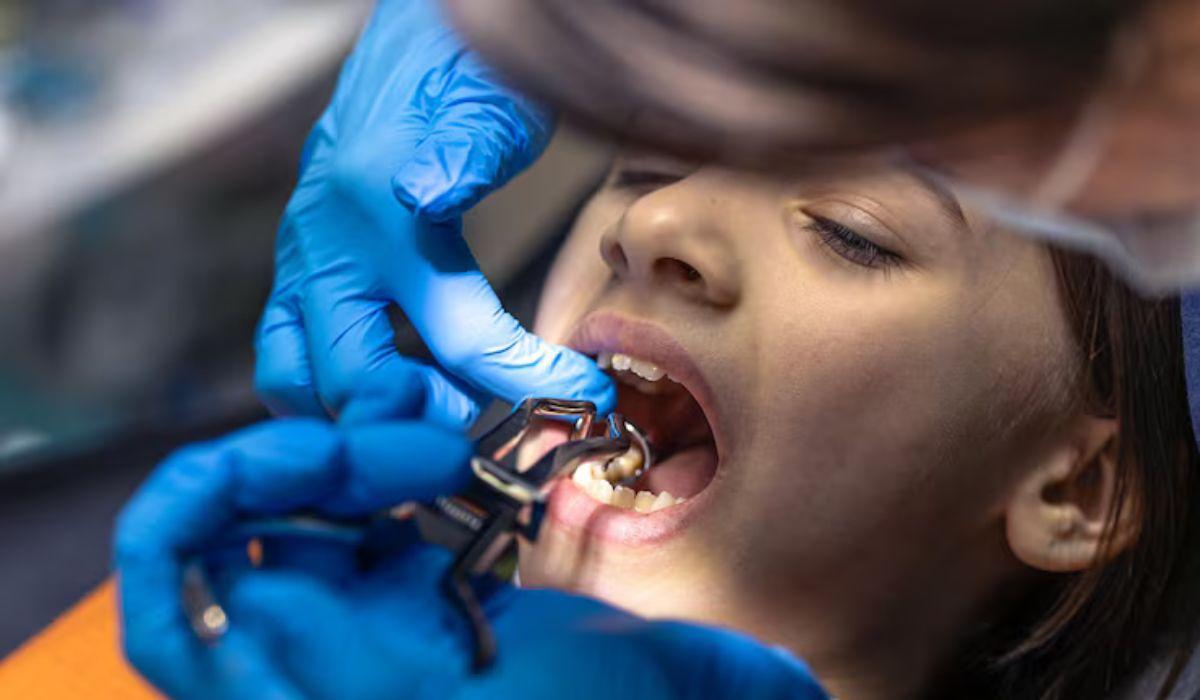
How Dentists Handle Unexpected Dental Implant Emergencies

So you got a dental implant. Maybe it went perfectly smooth, healed up nicely, and you kinda forgot it was even there. That's honestly the best case scenario. But sometimes, things go sideways. Not because the procedure was necessarily bad, but because the mouth is a complicated place. An emergency dental implant situation can pop up days, months, even years after the original placement, and when it does, most people have no idea what to do or what to even expect from their dentist. That's what this is about — breaking down what actually happens when something unexpected goes wrong with an implant, and how a dentist handles it from the moment you walk through the door in a panic.
The Most Common Implant Emergencies Dentists See
There's a handful of situations that come up more than others. Infection around the implant site — sometimes called peri-implantitis — is probably the most frequent. Then there's the implant feeling loose, which freaks people out, and rightfully so. Crown fractures happen too, where the visible tooth part cracks or chips. Sometimes there's just pain and swelling with no obvious cause, which makes diagnosis trickier. And in rarer cases, the implant itself can actually fail — meaning it never fully bonded with the bone or the bond breaks down over time. Each one of these calls for a different game plan. A good dentist doesn't just throw antibiotics at everything and call it a day.

How Dentists Assess the Situation Fast
The first thing a dentist does when you come in with an implant problem is figure out exactly what they're dealing with. This usually means X-rays, sometimes a 3D cone beam CT scan if the situation looks complex. They're checking bone levels around the implant, looking for signs of infection that might not be visible on the surface, and evaluating whether the implant post itself is still solid. They'll poke around a bit — checking for bleeding, pocketing, any discharge. It's not the most comfortable process but it's necessary. A dentist in Burbank handling these cases regularly knows that rushing to treatment without a proper assessment can make things significantly worse. The diagnosis step is everything.
Treating Implant Infections — It's More Aggressive Than You'd Think
If infection is the culprit, treatment isn't always as simple as a round of antibiotics. Peri-implantitis — inflammation and infection of the tissue and bone around an implant — can be stubborn. Dentists often have to mechanically clean the implant surface, sometimes using specialized laser treatments or ultrasonic scalers to remove bacterial buildup. In more advanced cases, bone grafting might be needed to replace what's been lost. The goal is to stop the infection from destroying more bone before the implant loses its anchor entirely. Antibiotics do come into play, but they're more of a support tool than the main solution. People are sometimes surprised by how involved the treatment gets. It's not like treating a cavity.
Dealing With a Loose or Unstable Implant
A loose implant creates real anxiety. People feel it shifting slightly and immediately assume the worst — that they're about to lose the whole thing. Sometimes they're right, sometimes they're not. What feels loose might just be a loose abutment screw, which is actually a fairly easy fix. The dentist accesses the crown, tightens or replaces the screw, and that's often the end of it. But if the implant post itself is moving, that's a different situation. That can mean osseointegration failure — where the implant didn't properly fuse with the jawbone, or the fusion broke down. In that case the implant usually has to come out, the site has to heal, and then it can potentially be replaced after bone recovery. It's a setback, not necessarily a permanent loss.
Broken Crowns and Visible Damage — What Happens Next
Cracked or broken crowns on implants happen. Biting down on something too hard, grinding teeth at night, trauma to the face — all of these can compromise the crown. The good news is that in most cases, the implant post and abutment underneath are still completely fine. The crown is just the visible tooth part, and it can be replaced without touching what's below. Your dentist will take impressions, send them to a lab or use in-house milling if they have the equipment, and fabricate a new crown. It usually takes a couple of appointments. The process is almost identical to replacing a crown on a natural tooth. Not a huge emergency from a medical standpoint, but definitely something to fix promptly to protect the implant structure.

When Implant Removal Becomes Necessary
Sometimes the honest answer is that the implant needs to come out. Dentists don't love saying that, but waiting too long to remove a failing implant can cause serious bone loss that makes future replacement harder or impossible. Removal is actually less dramatic than people imagine. The implant is unscrewed or, if it's integrated at all, carefully extracted. Local anesthesia makes the procedure itself manageable. After removal, the site is cleaned, sometimes grafted, and then allowed to heal — typically a few months. After that healing period, a new implant can often be placed. It's not the end of the road. Most patients who go through implant replacement end up with a successful result the second time around, especially once the underlying cause of the failure is identified and addressed.
What You Should Do the Moment Something Feels Wrong
Here's the real practical advice — don't wait. People sit on implant problems for days or weeks hoping it'll sort itself out. It rarely does, and in the case of infection especially, waiting gives the problem time to eat away at bone and soft tissue. Call your dentist immediately if you notice pain that wasn't there before, swelling, any kind of discharge, the implant feeling even slightly unstable, or visible cracks in the crown. For anyone in the area, finding a dentist in Burbank who has specific experience with implant complications isn't hard, but you have to actually make the call. Even if it turns out to be minor, getting checked fast is always the smarter move. Dental emergencies involving implants don't get better on their own — they just get more complicated.


