

Introduction
Hair fall has become one of the most common beauty and self-care concerns among men and women across Pakistan. While occasional shedding is a natural part of the hair growth cycle, excessive hair loss can be frustrating and difficult to manage.
Many people immediately blame genetics or stress, but environmental factors often play a major role. Pakistan's climate, water quality, pollution levels, and seasonal weather conditions can place significant stress on both the scalp and hair strands. Over time, these factors may contribute to weakened hair, breakage, thinning, and reduced hair density.
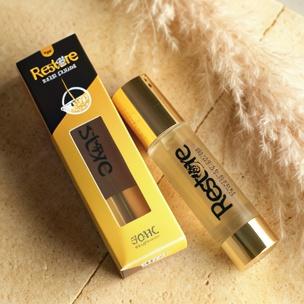
Understanding the underlying causes of hair fall is the first step toward healthier hair. Whether you're dealing with increased shedding, brittle strands, or a lack of volume, identifying environmental triggers can help you make more informed decisions about your hair care routine. Many consumers are now turning to solutions such as the QHC Hair Growth Serum In Pakistan to complement a comprehensive approach to scalp and hair health.
Understanding Normal Hair Shedding
Before addressing hair fall concerns, it's important to understand what is considered normal.
Most people naturally shed between 50 and 100 hairs daily as part of the hair's growth cycle. New strands typically replace the shed hairs, maintaining overall hair density.
Problems arise when hair loss exceeds normal shedding or when new hair growth becomes slower than hair loss.
Common signs of excessive hair fall include:
-
Increased hair on pillows
-
Excessive shedding during washing
-
Noticeable thinning
-
Reduced hair volume
-
Widening hair part
-
Hair breakage throughout the day
How Hard Water Affects Hair Health
Hard water is a common issue in many regions of Pakistan. It contains high levels of minerals such as calcium and magnesium that can accumulate on the scalp and hair over time.
Mineral Buildup on the Scalp
Repeated exposure to hard water can leave deposits on the scalp, making it difficult to cleanse thoroughly.
This buildup may contribute to:
-
Dry scalp
-
Irritation
-
Product residue accumulation
-
Reduced scalp comfort
A healthy scalp environment is important for supporting healthy-looking hair.
Increased Hair Dryness
Hard water can make it more difficult for hair to retain moisture.
As a result, hair may become:
-
Dry
-
Rough
-
Brittle
-
More prone to breakage
Hair breakage is often mistaken for hair loss, even though the strands are breaking rather than shedding from the root.
The Impact of Pollution on Hair
Pakistan's major cities experience significant exposure to pollution throughout the year.
Airborne pollutants can settle on the scalp and hair, creating additional challenges for maintaining healthy hair.
Scalp Stress
Pollution particles may accumulate around hair follicles and contribute to scalp discomfort.
This can affect:
-
Scalp cleanliness
-
Oil balance
-
Overall hair appearance
Oxidative Damage
Environmental pollutants can generate free radicals that affect both scalp health and hair quality.
Over time, oxidative stress may contribute to:
-
Weak-looking hair
-
Dull appearance
-
Increased fragility
-
Reduced shine
Protecting the scalp from environmental stressors is an important part of maintaining stronger-looking hair.
Heat and Climate-Related Hair Damage
Pakistan's climate exposes hair to high temperatures for extended periods, especially during summer.
Excessive Sun Exposure
Strong sunlight can affect the outer protective layer of the hair strand.
This may result in:
-
Dryness
-
Loss of smoothness
-
Reduced shine
-
Increased breakage
Dehydration of Hair Fibers
Just as skin can become dehydrated, hair can also lose moisture due to prolonged heat exposure.
Dehydrated hair often appears:
-
Frizzy
-
Rough
-
Lifeless
-
Difficult to manage
Increased Sweat and Oil Production
Hot weather can stimulate greater oil production on the scalp.
When combined with pollution and dust, this may lead to:
-
Product buildup
-
Scalp congestion
-
Uncomfortable scalp conditions
Maintaining scalp cleanliness becomes particularly important during warmer months.
Other Common Causes of Hair Fall
Environmental factors are important, but several additional contributors can affect hair health.
Stress
Chronic stress can disrupt the natural hair growth cycle and increase shedding.
Nutritional Deficiencies
Hair requires adequate nutrients to support healthy growth.
Low intake of essential vitamins and minerals may impact hair strength and density.
Over-Styling
Frequent heat styling, chemical treatments, and tight hairstyles can place excessive stress on hair strands.
Inconsistent Hair Care
Neglecting scalp care or using unsuitable products may affect overall hair condition.
Why Scalp Health Matters
Many people focus only on the hair strands while overlooking the scalp.
Healthy hair begins with a healthy scalp.
A well-maintained scalp helps:
-
Support healthy hair growth
-
Maintain balanced oil production
-
Improve overall hair appearance
-
Create an optimal environment for stronger-looking hair
This is why many modern hair care routines include targeted scalp treatments and serums.
How QHC Supports Healthier Hair
QHC understands the unique hair care challenges faced by Pakistani consumers.
Environmental stressors such as hard water, pollution, heat exposure, and seasonal weather changes can all impact hair health. Effective hair care requires a holistic approach that supports both the scalp and hair strands.
QHC focuses on solutions designed to complement daily hair care routines while helping maintain healthier-looking hair. Products that support scalp nourishment, hydration, and overall hair wellness can play an important role in managing common concerns associated with hair thinning and environmental damage.
By addressing the root causes of hair stress, QHC helps consumers take proactive steps toward maintaining stronger, fuller-looking hair.
Building a Hair-Friendly Routine
Consistency is one of the most important factors in supporting healthy hair.
1: Keep the Scalp Clean
Regular cleansing helps remove dirt, excess oil, pollution particles, and product buildup.
2: Support Scalp Nourishment
Use products designed to maintain scalp hydration and comfort.
3: Protect Hair From Heat
Minimize unnecessary heat exposure and protect hair when spending extended periods outdoors.
4: Maintain Healthy Lifestyle Habits
Adequate sleep, balanced nutrition, hydration, and stress management all contribute to overall hair health.
5: Use Targeted Hair Care Products
Specialized treatments and serums may help support healthier-looking hair when used consistently as part of a complete routine.
Signs Your Hair Care Routine Needs Improvement
You may benefit from adjusting your routine if you notice:
-
Increased shedding
-
Frequent breakage
-
Excessive dryness
-
Lack of shine
-
Thinning appearance
-
Scalp discomfort
Addressing these concerns early can help improve the overall condition of your hair over time.
Long-Term Benefits of Proper Hair Care
When supported by consistent care, healthy hair often appears:
-
Stronger
-
Fuller
-
Shinier
-
More manageable
-
Better hydrated
Focusing on scalp health and environmental protection can help maintain healthier-looking hair despite challenging climate conditions.
Summary
Hair fall in Pakistan is often influenced by more than genetics alone. Hard water, pollution, intense heat, and environmental stress can all affect scalp health and contribute to weakened hair over time.
Understanding these factors allows you to take a more proactive approach to hair care. By maintaining a healthy scalp, protecting hair from environmental damage, and incorporating supportive products from trusted brands like QHC, you can help improve the appearance and resilience of your hair.
A consistent routine focused on nourishment, hydration, and scalp wellness creates the foundation for stronger, healthier-looking hair in every season.
Frequently Asked Questions
1. Can hard water cause hair fall?
Hard water can contribute to dryness, buildup, and hair breakage, which may make hair appear thinner over time.
2. Does pollution affect hair health?
Yes. Pollution can accumulate on the scalp and hair, contributing to dullness, dryness, and environmental stress.
3. How does heat damage hair?
Excessive heat exposure can dehydrate hair strands, leading to dryness, brittleness, and increased breakage.
4. Why is scalp health important for hair growth?
A healthy scalp provides the foundation needed to support stronger and healthier-looking hair.
5. Can a hair serum help improve hair appearance?
Hair serums are often used to support scalp care, hydration, and overall hair maintenance as part of a consistent hair care routine.


