
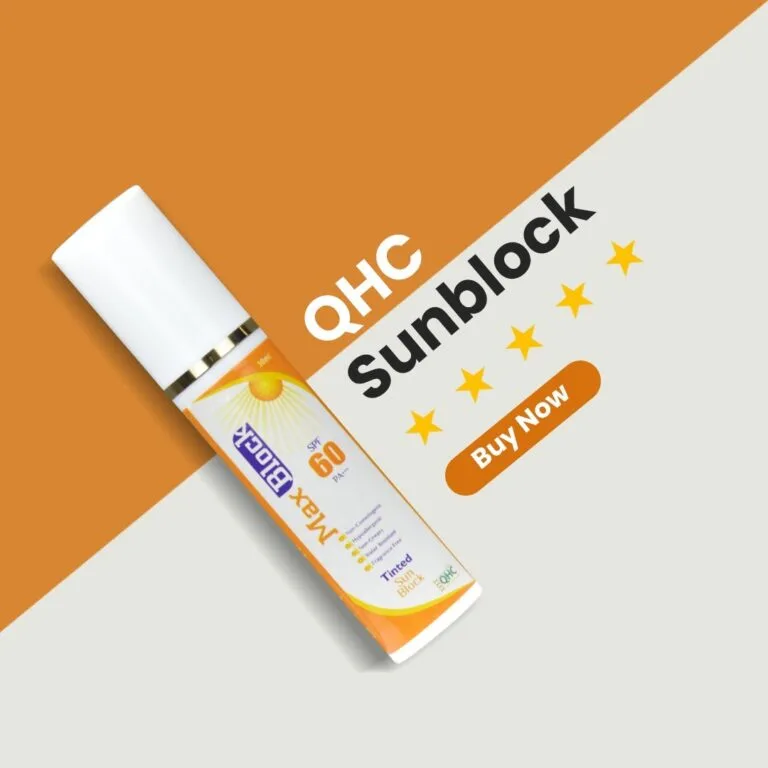
Why You Need Sunblock Daily in Pakistan's Climate

Sun protection is often associated with hot summer days, beach trips, and outdoor activities. However, many people in Pakistan still believe that sunscreen is only necessary during intense sunshine. The reality is very different. Harmful ultraviolet (UV) rays affect your skin throughout the year, whether it is winter, cloudy, or even when you spend most of your day indoors.
Using the Best Sunblock is not simply a seasonal skincare step—it is a daily necessity. Consistent protection helps preserve skin health, prevent premature aging, and maintain a brighter, more even complexion. For Pakistani consumers facing strong sunlight and environmental stressors, daily sun protection should be a core part of every skincare routine.
Understanding UV Rays and Their Impact
The sun emits ultraviolet radiation that can damage the skin in multiple ways. The two main types of UV rays that affect skin health are UVA and UVB rays.
-
UVA rays penetrate deeply into the skin and contribute to premature aging, wrinkles, and pigmentation.
-
UVB rays primarily affect the skin's surface and can cause sunburn and long-term skin damage.
Both types of rays can increase the risk of uneven skin tone, dark spots, and loss of skin elasticity. Unlike temperature, UV radiation can remain significant even during cooler months.
Why Sun Protection Is Essential
Experiences high levels of sun exposure throughout much of the year. Even during winter, UV radiation remains present and can continue affecting the skin.
Strong UV Index Throughout the Year
Many regions across receive substantial sunlight regardless of the season. Cities such as Lahore, Karachi, Islamabad, Multan, and Faisalabad frequently experience UV levels capable of damaging unprotected skin.
Regular application of sun protection helps reduce the cumulative effects of daily UV exposure.
Environmental Stressors Increase Skin Damage
In addition to sunlight, pollution and dust can place extra stress on the skin barrier. These environmental factors may contribute to:
-
Dull-looking skin
-
Uneven complexion
-
Premature signs of aging
-
Increased sensitivity
Combining daily sun protection with nourishing skincare products can help support healthier-looking skin over time.
Do You Really Need Sun Protection in Winter?
Yes. Winter weather does not eliminate UV radiation.
Many people skip sunscreen during colder months because they do not feel the heat of the sun. However, UV rays can still penetrate the skin and cause long-term damage.
UV Rays Are Present Even on Cloudy Days
Cloud cover may reduce visible sunlight, but it does not completely block ultraviolet radiation. A significant amount of UV exposure can still reach your skin through clouds.
This means your skin remains vulnerable even when the weather appears overcast.
Long-Term Effects Add Up
Skin damage often develops gradually. Daily exposure accumulates over months and years, leading to:
-
Fine lines
-
Wrinkles
-
Hyperpigmentation
-
Loss of firmness
-
Uneven skin texture
Consistent protection helps minimize these effects and supports a youthful appearance.
Why You Need Sun Protection Indoors
One of the biggest skincare misconceptions is that staying indoors eliminates the need for sunscreen.
UVA Rays Can Penetrate Windows
Glass can block most UVB rays, but UVA rays can still pass through windows. If you work near natural light, drive frequently, or sit close to large windows, your skin may still receive significant exposure.
This is particularly important for office workers, students, and individuals who spend long hours indoors.
Blue Light Exposure
Digital screens emit blue light, which some studies suggest may contribute to skin discoloration and oxidative stress, particularly in individuals prone to pigmentation.
While more research continues in this area, using broad-spectrum protection can provide an additional layer of defense.
Key Benefits of Daily Sun Protection
Adding sunscreen to your daily skincare routine offers benefits beyond preventing sunburn.
Supports Anti-Aging Care
One of the most effective ways to reduce premature aging is through daily UV protection.
Regular use can help minimize:
-
Fine lines
-
Wrinkles
-
Sagging appearance
-
Loss of elasticity
Promotes a More Even Skin Tone
Sun exposure often triggers excess melanin production, resulting in dark spots and uneven pigmentation.
Consistent protection helps maintain a clearer and more balanced complexion.
Enhances Skin Repair Efforts
Many people invest in serums, moisturizers, and skin repair treatments but overlook the importance of UV protection.
Without adequate protection, sunlight can counteract the benefits of these products. Daily sunscreen helps support the effectiveness of your overall skincare regimen.
Maintains Healthy-Looking Skin
Healthy skin requires protection, hydration, and nourishment. A well-rounded routine that includes daily sunscreen helps preserve skin comfort and resilience.
How QHC Supports Daily Skin Protection
QHC understands the skincare needs of consumers and the challenges posed by year-round sun exposure.
A high-quality sun protection product should offer:
-
Broad-spectrum UVA and UVB coverage
-
Lightweight texture
-
Comfortable daily wear
-
Compatibility with different skin types
-
Easy integration into skincare routines
QHC focuses on skincare solutions that help support healthy-looking skin while complementing hydration and nourishment goals.
Whether your concern is maintaining a youthful appearance, preventing pigmentation, or preserving your skin barrier, incorporating reliable sun protection into your routine can make a meaningful difference.
Building an Effective Morning Skincare Routine
For optimal results, sun protection should be the final step in your morning skincare regimen.
1: Cleanse
Use a gentle cleanser to remove excess oil and impurities.
2: Apply Hydrating Products
Serums and moisturizers can help replenish moisture and support skin nourishment.
3: Use Sun Protection
Apply generously to all exposed areas, including:
-
Face
-
Neck
-
Ears
-
Hands
4: Reapply When Needed
If you spend extended periods outdoors, reapplication is recommended throughout the day according to product directions.
Common Mistakes to Avoid
Many people unintentionally reduce the effectiveness of their sun protection.
Using Too Little Product
Applying a small amount may not provide adequate coverage.
Skipping Cloudy Days
UV exposure continues even when sunlight is not visible.
Forgetting the Neck and Hands
These areas are frequently exposed and often show early signs of aging.
Applying Only Once Daily
Depending on exposure conditions, reapplication may be necessary to maintain protection.
The Connection Between Sun Protection and Glowing Skin
People often associate glowing skin with expensive treatments and multiple skincare products. While those products can be helpful, protection remains one of the most important foundations of skin health.
Daily sunscreen helps preserve skin clarity, supports skin repair efforts, and protects against environmental stressors that contribute to dullness and uneven texture.
When combined with proper hydration, nourishment, and a consistent skincare routine, it plays a vital role in maintaining radiant-looking skin.
Final Words
Sun exposure affects the skin every day, regardless of the season or whether you are indoors or outdoors. Climate, consistent UV protection is one of the most important steps for maintaining healthy, youthful-looking skin.
By making sun protection a daily habit, you can help reduce the appearance of premature aging, support an even complexion, and strengthen the results of your overall skincare routine. QHC encourages a proactive approach to skincare, helping consumers protect, nourish, and maintain their skin throughout the year.
Frequently Asked Questions
1. Do I need sunscreen during winter ?
Yes. UV rays remain present throughout the year and can still contribute to skin damage, pigmentation, and premature aging during winter.
2. Should I wear sunscreen if I stay indoors all day?
Yes. UVA rays can pass through windows, exposing your skin even while indoors.
3. Can daily sun protection help reduce signs of aging?
Regular use helps protect against UV-related damage that contributes to fine lines, wrinkles, and loss of skin elasticity.
4. How does sunscreen support glowing skin?
It helps prevent environmental damage, supports a more even skin tone, and protects the skin from factors that contribute to dullness.
5. When should sunscreen be applied in a skincare routine?
It should be applied as the final step of your morning skincare routine before sun exposure.


