Many factories hire experienced staff, train machine operators carefully, and set production targets with confidence. Yet despite having capable workers, daily output often remains lower than expected. Management may blame motivation, skill gaps, or slow processes. In many industrial units, however, the real problem is simpler and more overlooked—poor ventilation.
A worker with skill and experience can still underperform in a dusty, hot, stale, and uncomfortable environment. When air movement is weak, temperatures rise, fumes linger, and suspended particles remain in the workspace longer than they should. Over long shifts, even strong employees can lose pace, concentration, and consistency. This is why many modern factories now view ventilation as a productivity issue rather than only a comfort issue.
Cleaner and better-managed air systems often help unlock the real value of the workforce already inside the plant. GPT India helps industrial businesses improve working conditions through practical dust and airflow solutions designed for stronger performance.
One of the first effects of poor ventilation is fatigue. In enclosed factories, machinery generates heat throughout the day. Without proper circulation, warm air remains trapped. Workers then use more energy simply coping with the environment. By later hours of the shift, pace may slow even if motivation remains high.
An Air Washer System can help improve internal comfort by circulating and conditioning air. Better temperature balance often supports steadier concentration, smoother movement, and more consistent output from start to finish.
Dust is another major performance barrier. Fine particles settling on tools, benches, products, and workstations create repeated distractions. Workers may need to clean surfaces before continuing tasks. In detailed operations, contamination can reduce accuracy and increase frustration.
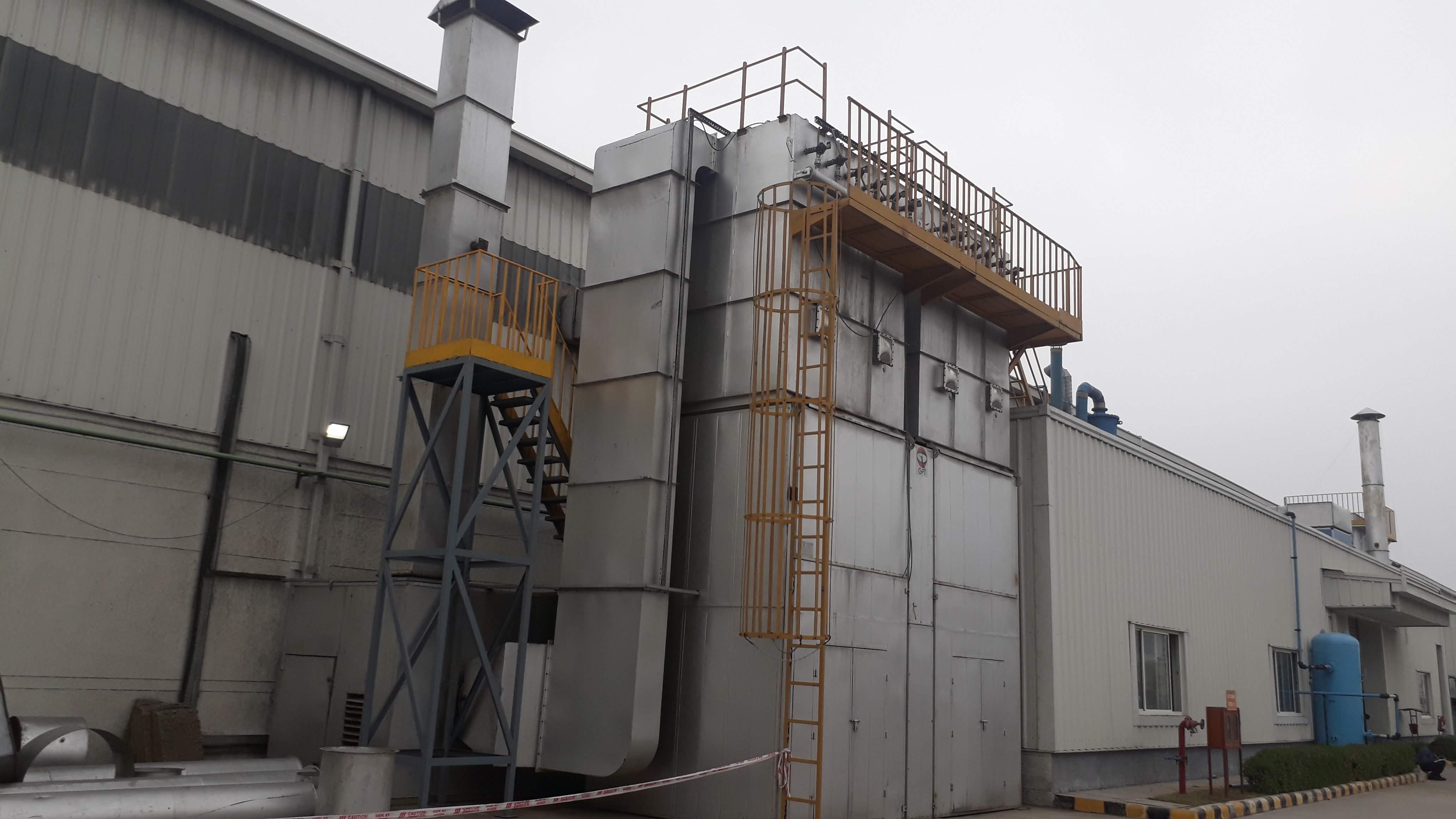
A properly designed Dust Collection System helps capture particles near source points before they spread through the wider facility. Cleaner work zones usually allow employees to focus more on production and less on cleanup.
In woodworking, furniture, and board processing units, cutting and sanding can create continuous particulate loads. A dedicated Wood Dust Collector helps manage these particles close to active machines, supporting cleaner stations and steadier workflow.
Some facilities generate mixed waste with heavier material alongside fine dust. In those environments, a Cyclone Dust Collector can be useful as an early-stage separator. Removing larger particles first helps downstream filtration remain more effective.
Poor air quality can also affect communication and coordination. In noisy, dusty, or uncomfortable zones, workers may become less patient, less responsive, or slower to coordinate handoffs between stages. Productivity is not only individual speed—it is also team flow.
Factories involved in welding, fabrication, or thermal processes may create smoke or vapors that linger if extraction is weak. Employees working around these zones can feel discomfort sooner and may avoid certain areas whenever possible. A Fume Extraction System helps remove contaminants near the source before they spread into broader workspaces.
Another hidden loss from weak ventilation is increased mistakes. Heat and discomfort can reduce attention to detail, especially in packaging, measurement, assembly, or finishing tasks. Rework and correction time then consume hours that should have gone to fresh production.
Where continuous fine filtration is needed, a Pulse Jet Bag Filter is commonly valuable because it helps maintain airflow while cleaning filter media during operation. Stable environmental performance is important in busy factories where interruptions are costly.
Larger production halls often need dependable pressure-based airflow through duct networks. Centrifugal Blowers are commonly used where stronger controlled movement is required. Correct airflow design can eliminate stagnant zones and improve overall balance.
Many owners assume worker performance is fixed. In reality, the same team can produce very different results depending on conditions around them. Good employees placed in poor environments often appear average. The issue is not always the people—it is the system they work inside.
Some businesses respond to low output by pushing harder targets or hiring more labor. If ventilation problems remain, these actions may deliver limited gains. Improving conditions often raises performance more sustainably than constant pressure.
Low-cost generic fans or temporary fixes may move air without solving contamination, heat concentration, or uneven circulation. Proper planning usually matters more than simply adding more devices.
GPT India focuses on practical industrial requirements rather than one-size-fits-all supply. Every factory has different layouts, heat loads, workforce density, and process challenges. Solutions based on real operating conditions often create stronger long-term value.
GPT India is located at 59/2/1, Site 4, Industrial Area, Sahibabad, Ghaziabad, Uttar Pradesh, 201010. Businesses can contact +91-9773500660 or email [email protected] for industrial dust and air management guidance.
FAQs
Why does poor ventilation reduce productivity? It can increase fatigue, discomfort, distractions, and slower work pace.
How does a Dust Collection System help workers? It reduces airborne particles and keeps work areas cleaner.
Where is a Wood Dust Collector most useful? It is highly useful in furniture, plywood, and woodworking operations.
Can heat increase mistakes at work? Yes, discomfort often reduces concentration and consistency.
Why are customized systems better than standard units? They are designed around actual factory layout and environmental needs.
Conclusion
Worker performance depends on more than skill and effort. Poor ventilation can quietly reduce energy, concentration, and consistency across every shift. Businesses that improve airflow and dust control often discover their existing workforce can deliver far stronger results in the right environment.