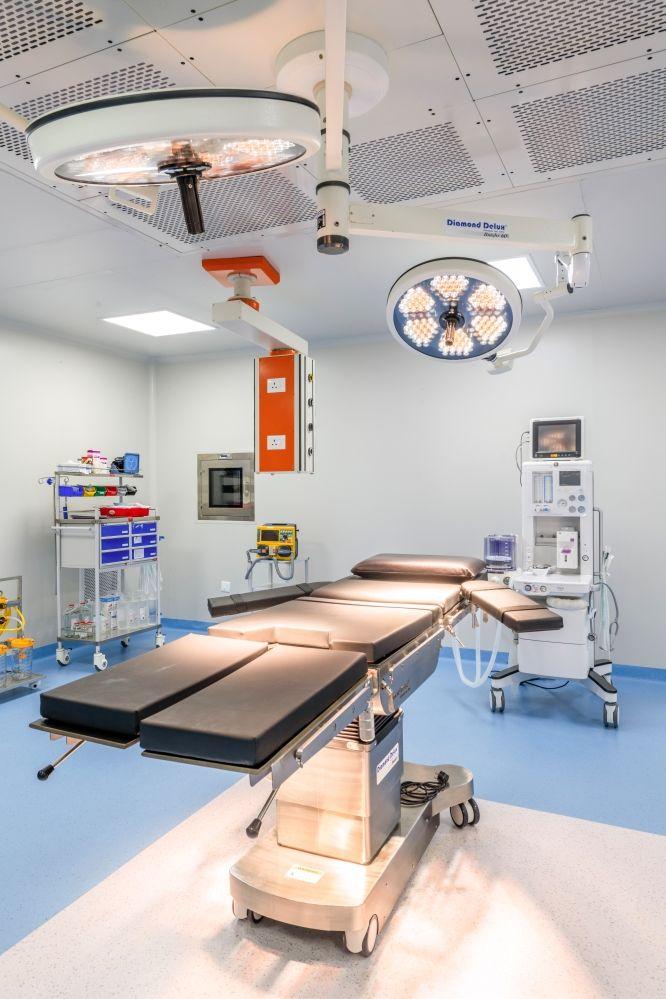
Designing an Intensive Care Unit requires a highly specialized approach focused on patient safety, infection control, and efficient clinical workflow. Health Infrastructures ICUs are critical environments where patients need constant monitoring and advanced medical support, making design precision essential for effective care delivery.
The first consideration in ICU design is location within the hospital. ICUs should be easily accessible from emergency departments, operation theatres, and diagnostic units. This reduces patient transfer time and ensures faster response during critical situations.
Space planning plays a vital role in ICU functionality. Each bed should have adequate space for medical equipment, staff movement, and emergency access. Proper spacing between beds helps maintain hygiene standards and reduces the risk of infection transmission.
Infection control is a key priority in ICU design. This includes the use of proper ventilation systems, isolation rooms, and easily cleanable surfaces. HVAC systems must maintain controlled air quality, pressure differentials, and filtration to prevent the spread of airborne infections.
Medical gas systems are essential in ICUs, providing continuous supply of oxygen, vacuum, and compressed air. These systems must be reliable and easily accessible at each bed point to support critical care procedures.
Lighting design is another important factor. ICUs require a combination of general lighting and task lighting to support medical procedures while ensuring patient comfort. Adjustable lighting helps maintain a balance between clinical needs and a healing environment.
Monitoring and technology integration are crucial in modern ICUs. Each bed should be equipped with advanced monitoring systems that track vital signs in real time. Central monitoring stations allow healthcare staff to observe multiple patients simultaneously, improving response time and care quality.
Staff workflow efficiency must also be considered. Nurse stations should be centrally located to provide clear visibility of patients. Efficient layout design reduces staff movement and improves overall productivity.
Compliance with healthcare standards such as NABH guidelines and infection control protocols is mandatory. Proper planning ensures that all regulatory requirements are met without compromising functionality.
In conclusion, ICU design requires a balance of clinical efficiency, safety, and patient comfort. By focusing on proper layout, advanced systems, and strict infection control measures, hospitals can create ICUs that deliver high quality critical care.