

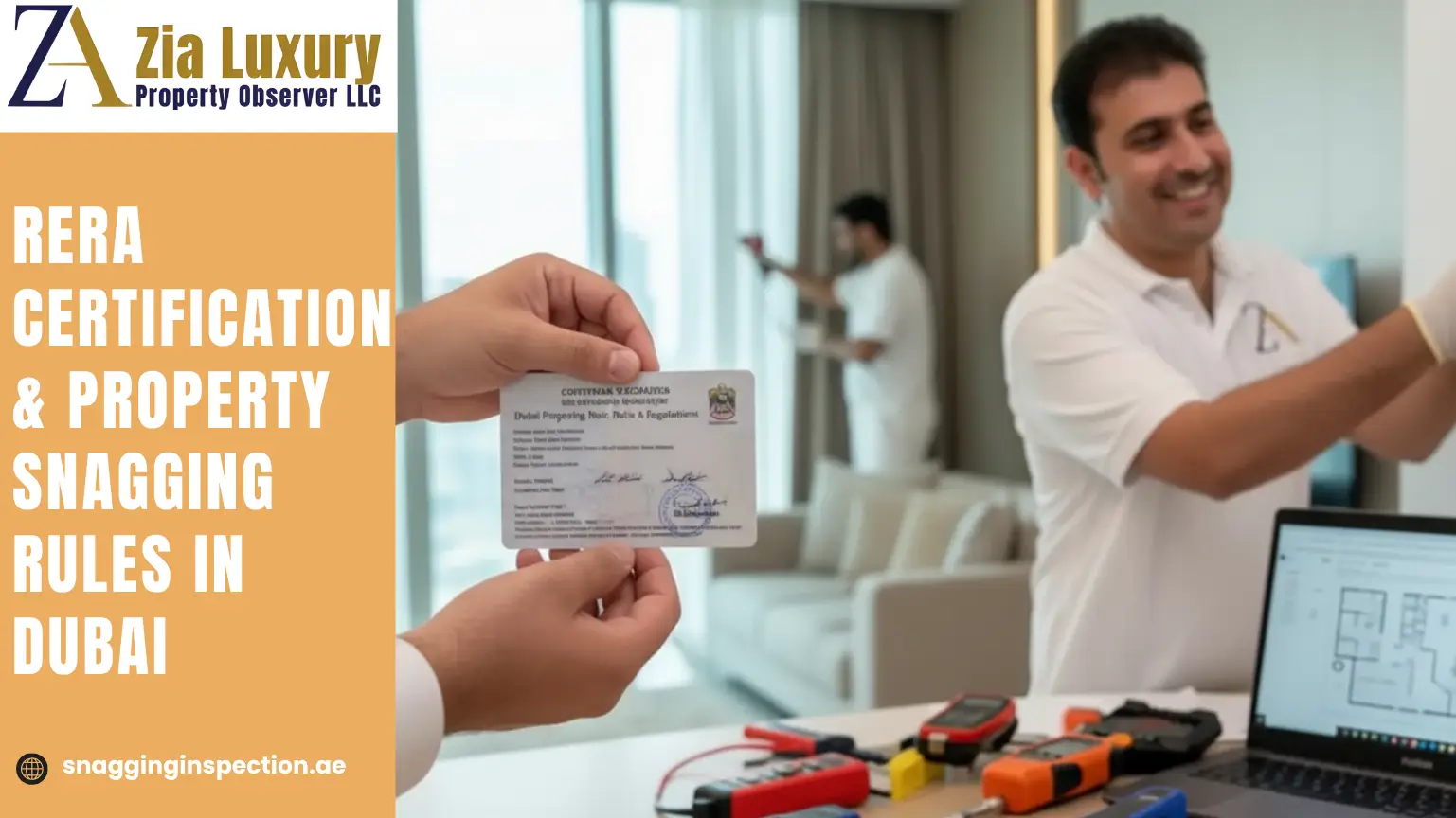
Snagging: Complete Guide to Property Inspection Before Handover

Snagging is the process of carefully inspecting a newly built or renovated property to identify any defects, unfinished work, or quality issues before final handover. In simple words, snagging ensures that everything in your property is completed properly and meets the expected standards. These issues, also called “snags,” can include minor cosmetic problems like paint defects or major structural concerns such as plumbing or electrical faults. Whether you are buying a new home or investing in real estate, snagging is a crucial step that protects your money and ensures peace of mind.
Why Snagging is Important for Property Buyers
Snagging plays a vital role in protecting buyers from hidden defects. Many new properties may look perfect at first glance, but small issues often remain unnoticed. A proper snagging inspection helps you identify these problems before you move in. It also allows the developer or builder to fix them without extra cost to you. Without snagging, you may end up paying for repairs later. Additionally, snagging ensures that your property meets safety standards and delivers the quality promised by the builder.
Types of Snagging Issues You Should Know
Snagging issues can vary depending on the property type, but they generally fall into three main categories. Cosmetic issues include things like uneven paint, scratches on surfaces, or poorly fitted fixtures. Functional issues involve systems such as plumbing leaks, faulty wiring, or heating problems. Structural issues are more serious and may include cracks in walls, uneven flooring, or poor construction quality. Identifying all these types of snags is essential for a complete inspection.
Snagging Checklist for a Thorough Inspection
A detailed snagging checklist helps ensure nothing is missed during inspection. Start by checking walls and ceilings for cracks, dampness, or poor finishing. Inspect doors and windows to ensure they open and close smoothly. Test all electrical sockets, lights, and switches to confirm they are working properly. Check plumbing systems, including taps, showers, and drainage. Examine flooring for uneven surfaces or damage. Finally, inspect the exterior of the property, including walls, roofing, and drainage systems. A systematic approach ensures a complete snagging process.
Professional Snagging vs DIY Snagging
When it comes to snagging, you have two options: do it yourself or hire a professional. DIY snagging can save money and is suitable for those who have basic knowledge of property inspection. However, professional snagging services provide a more detailed and expert analysis. Professionals use advanced tools and have experience in identifying hidden defects that an untrained eye may miss. While hiring experts may cost more upfront, it often saves money in the long run by preventing expensive repairs.
When is the Best Time for Snagging?
The best time for snagging is before the final handover of the property. Ideally, the inspection should be done after construction is completed but before you move in. This allows the builder to fix any issues quickly. Some buyers also conduct a second snagging inspection after a few months to catch any defects that appear later. Timing is important because once you accept the property, it becomes harder to claim repairs from the builder.
Common Mistakes to Avoid During Snagging
Many buyers make mistakes during the snagging process that can lead to costly problems later. One common mistake is rushing the inspection and missing important issues. Another mistake is not using a checklist, which can result in overlooked defects. Some buyers rely only on visual inspection and ignore functional testing. Additionally, not documenting issues with photos or written reports can weaken your case when requesting repairs. Avoiding these mistakes ensures a smooth snagging process.
Benefits of Snagging for Homeowners
Snagging offers several benefits that make it a must-do step for property buyers. It helps ensure that your home is safe, functional, and built to high standards. It saves money by identifying issues early and getting them fixed by the builder. Snagging also increases property value by ensuring everything is in perfect condition. Most importantly, it provides peace of mind, knowing that your new home is free from defects.
FAQs About Snagging
What does snagging mean in property?
Snagging refers to identifying and fixing defects in a property before final handover.
Is snagging necessary for new homes?
Yes, it ensures the property is free from defects and meets quality standards.
How long does a snagging inspection take?
It depends on property size, but typically a few hours to a full day.
Can I do snagging myself?
Yes, but hiring professionals provides more accurate results.
What happens after snagging?
A report is given to the builder, who must fix the identified issues.
Conclusion
Snagging is an essential part of buying or owning a property. It helps identify defects, ensures quality, and protects your investment. Whether you choose to do it yourself or hire a professional, a thorough snagging inspection can save you time, money, and stress. By following a proper checklist and avoiding common mistakes, you can ensure your property is delivered in perfect condition.


