

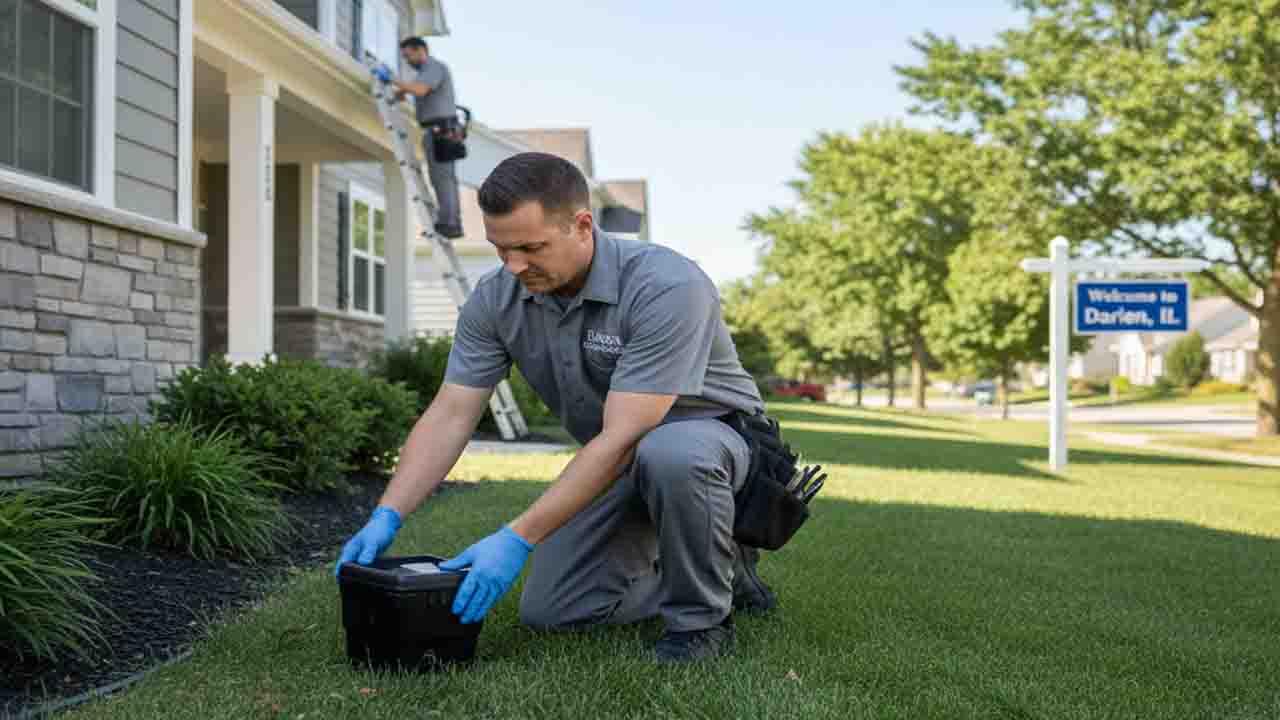
Rodent Control Darien: How to Keep Rats and Mice Out of Your Connecticut Property

Introduction
Picture this: you hear a faint scuttling in your Darien, Connecticut, basement late at night. You think you’re imagining things, until the next morning you spot droppings or gnaw marks – and suddenly, you’re staring down a rodent problem in your own home or business. In Connecticut, rodent infestations are more common than many realize, and they pose serious health and structural risks.
If you’re searching for reliable rodent control Darien, you’ve come to the right place. This article will walk you through the most common rodent species in Darien, explain why these pests thrive here, offer expert-backed strategies for tackling them, and point out when it’s smart to bring in professionals for help. We’ll also highlight mistakes to avoid, seasonal considerations, and actionable tips you can start using today.
By the end, you’ll know how to protect your property from unwanted guests – and why investing in proper rodent control isn’t just smart, it’s essential.
Why Rodent Control Is a Growing Concern in Darien, Connecticut
Rodents aren’t just a nuisance; they’re a serious threat to both your health and your property. In Connecticut, state guidelines stress the dangers of rats and mice, including disease transmission and structural damage.
Here in Darien, we face unique challenges due to our location: a mix of coastal neighborhoods, older homes, and green spaces that provide ideal hiding places for rodents. Add to that the fact that as temperatures drop in New England, rodents look for warmth and food indoors – making fall and winter especially risky.
If infestations are overlooked, rodents can chew through electrical wiring, insulation, and even the foundation of your building. That’s why rodent control Darien isn’t just about trapping mice – it’s about long-term prevention and protection.
In this article, we’ll explore:
-
The most common rodent species in Darien
-
Why they thrive in Connecticut’s climate
-
Practical steps you can take now
-
Expert tips from pest management pros with over 40 years of experience
-
FAQs and mistakes to avoid
-
When to call in professional help
Common Rodent Species in Darien and Across Connecticut
Understanding which rodents are common in our area is the first step in effective control. These are the main culprits homeowners and businesses in Darien may face:
Norway Rat and House Mouse
-
According to the Connecticut Department of Energy & Environmental Protection, the Norway rat (Rattus norvegicus) is one of the most troublesome rodent pests.
-
These rats prefer to burrow around foundations or under buildings. They only need a crack as small as half an inch to get inside.
-
The house mouse (Mus musculus) is incredibly adaptable — taking shelter in walls, cabinets, and attics.
Field Mice, Voles, and More
-
In more vegetated or garden-rich areas of Darien, you might also encounter meadow voles (Microtus pennsylvanicus) and pine voles, both common in Connecticut.
-
White-footed mice (Peromyscus leucopus) are native to the state and sometimes move into buildings.
-
Larger rodents like squirrels (e.g., eastern gray squirrels) are common too — though they’re more likely to cause noise or attic damage than contamination.
These pests thrive in our region thanks to its mixed habitats — suburban backyards, wooded patches, and waterfront homes and the mild climate of Connecticut.
Seasonal Behavior: When Rodents Are Most Active in Darien
Rodent activity often follows the seasons, and knowing when they’re most likely to invade helps with timing your prevention efforts.
Fall & Winter: Invasion Season
-
As the weather cools, rodents move indoors seeking warmth and food. This makes fall and early winter the prime time for infestations in Connecticut.
-
In Darien, basements, attics, and wall voids become especially attractive because they offer shelter and undisturbed nesting sites.
Spring & Summer: Breeding & Expansion
-
During warmer months, rodent populations can grow rapidly. Norway rats, for instance, can produce up to seven litters per year under the right conditions.
-
Mice and voles take advantage of outdoor vegetation, gardens, and compost areas.
Year-Round Risks
-
Some species — especially house mice — don’t strictly follow seasonal patterns; their high adaptability lets them live indoors all year.
-
Food sources (garbage, pet food, bird feeders) and water (leaky pipes, basement moisture) contribute to consistent pressure.
Assessing Your Property: How Rodents Might Be Getting In
A key part of effective rodent control Darien is knowing where and how rodents gain access to your property. Here’s how to do a thorough inspection.
Look for Vulnerable Entry Points
-
Foundation and Walls
-
Cracks, holes, and gaps around cement or brick foundations.
-
Openings around pipes, vents, utility lines, and drains. The CT DEEP recommends sealing with steel wool, metal flashing, or hardware cloth.
-
Doors and Windows
-
Missing or damaged weather stripping.
-
Basement windows or crawlspace doors that don’t close tightly.
-
Roof and Attic
-
Vents, eaves, or gaps in the roofline.
-
Chimney crickets or missing chimney caps.
Indoor Signs of Rodents
-
Droppings (size varies: rat droppings are larger than mouse droppings).
-
Gnaw marks on wood, wires, or insulation.
-
Nesting materials like shredded paper or fabric.
-
Scurrying or scratching sounds inside walls or ceilings.
Prioritize Risk Zones
Focus on areas that are more likely to harbor rodents:
-
Basements & crawlspaces
-
Garages & storage sheds
-
Kitchen or pantry areas
-
Commercial trash zones (for businesses)
Once you’ve identified these risk zones, it’s much easier to plan and execute control strategies.
5–10 Expert Tips for How to Implement Effective Rodent Control in Darien
Here are actionable, expert-backed strategies to help you tackle rodent issues, based on over 40 years of pest management experience:
-
Seal Entry Points
-
Use steel wool, metal flashing, or hardware cloth for gaps ≥ ½ inch.
-
Pay special attention to foundation cracks, utility openings, and roof vents.
-
Keep Food and Waste Secure
-
Store trash in sealed, rat-resistant containers.
-
Avoid leaving pet food out at night.
-
Remove bird feeders or use rodent-resistant designs.
-
Eliminate Water Sources
-
Fix basement leaks and dripping pipes.
-
Clean gutters regularly to avoid standing water near foundations.
-
Reduce moisture in crawlspaces with dehumidifiers or ventilation.
-
Maintain Your Yard
-
Trim shrubs and vegetation at least a foot away from your building.
-
Stack firewood and materials off the ground and away from walls.
-
Keep compost bins properly managed and rodent-resistant.
-
Use Safe and Targeted Baiting
-
Place bait stations in strategic locations but keep them out of reach of pets and children.
-
Rotate baits if needed, but follow integrated pest management to minimize environmental harm.
-
Set Traps Strategically
-
Use snap traps for quick results, or live-catch traps if you prefer humane options.
-
Place them along walls, near suspected runways, or in attics.
-
Monitor and Document
-
Keep a log of trap activity, droppings, and gnaw marks.
-
This helps you understand rodent behavior and the effectiveness of your strategies.
-
Leverage Natural Predators (Carefully)
-
Connecticut has native predators like the eastern ratsnake that help control rodent populations.
-
While you shouldn’t rely solely on wildlife, maintaining a balanced habitat helps.
-
Minimize Pesticide Risks
-
Avoid or limit use of second-generation anticoagulant rodenticides (SGARs), which can harm wildlife.
-
Consider eco-friendlier approaches, such as fertility control, which some Connecticut towns are exploring.
-
Regular Professional Inspections
-
Bring in a licensed pest control company for seasonal checkups (especially before fall/winter).
-
Professionals with decades of experience can find entry points or conditions you may miss.
Common Mistakes & FAQs About Rodent Control in Darien
Here are some common misconceptions and expert answers backed by pest management professionals with 40+ years in the field.
Q 1: If I don’t see rodents, I don’t have a problem.
Answer:
Rodents are nocturnal and often hide deep inside wall voids or attics. By the time you see droppings or hear noises, they may already be well-established. Experts with decades of experience say that early intervention—sealing up entry points and using traps—is far more effective than waiting for a visible infestation.
Q 2: I’ll just use poison, it's the fastest way.
Answer:
While poison can kill rodents, overreliance has serious downsides. In Connecticut, second-generation anticoagulant rodenticides (SGARs) have been linked to secondary poisoning of wildlife like hawks and owls.
Pest professionals with long experience emphasize integrated pest management (IPM): combine exclusion, sanitation, trapping, and judicious baiting to minimize risks and achieve sustainable results.
Q 3: Ultrasonic repellers will drive them out.
Answer:
Ultrasonic devices sound appealing but often disappoint. They may temporarily startle rodents, but long-term effectiveness is limited. Experts with 40+ years in the industry recommend them only as a supplemental measure — not as a primary control tool.
Q 4: Once I trap a few, the problem is solved.
Answer:
Trapping a handful doesn’t guarantee you’ve solved the problem. Rodents reproduce quickly (especially species like mice), and survivors may remain hidden. Expert pest managers stress the importance of continuous monitoring and follow-up sealing to prevent re-infestation.
Q 5: I don’t own a home — this is a landlord’s or building manager’s problem.
Answer:
Whether you rent or own, rodent control matters. Rodents don’t respect property lines, and a neighboring infestation can spill over. Share inspection reports or concerns with your landlord or building management and encourage them to take professional action.
When to Call in Professional Rodent Control Darien Experts
Despite your best DIY efforts, there are times when it’s wise to bring in a licensed pest control pro. Here’s when and why:
-
Persistent Infestations: If trapping and sealing haven’t reduced signs of rodents, professionals can identify hidden nests, deep wall activity, or unusual entry points.
-
Commercial Buildings: For retail, restaurants, offices, or multi-unit buildings, professional treatment ensures compliance with health codes and avoids liability. Consider reaching out through Green Pest Management CT for a consultation.
-
High-Risk Areas: If you have sensitive zones (kitchens, food storage, labs), experts use targeted strategies that minimize contamination risks.
-
Yearly Inspections: Professionals with decades of field experience can offer seasonal checkups, especially before fall, when rodents often move indoors.
-
Safe Use of Rodenticides: Trained technicians know how to apply bait safely, protecting pets, children, and local wildlife.
When a pest control provider has 40+ years of experience, they bring institutional knowledge — from species behavior to long-term control solutions — that most DIYers lack. If you're looking for trusted service, consider companies like Green Pest Management CT for ongoing or emergency support.
Real-World Considerations and Connecticut Context
While general rodent control principles apply everywhere, Connecticut’s environment and regulations offer some unique factors:
-
Wildlife & Environmental Sensitivity
-
The state has raised concerns about the use of SGARs due to harm to raptors and other wildlife.
-
Alternative methods, like fertility control, are emerging as eco-friendlier options in some Connecticut towns.
-
Building Age
-
Many homes in Darien are decades old, making them vulnerable to structural gaps, old plumbing, and foundation cracks.
-
These features can create hidden passageways for rodents that require a detailed inspection.
-
Rodent Species Diversity
-
In addition to rats and mice, Connecticut has voles, deer mice, and other field rodents.
-
The diversity of species means one-size-fits-all solutions might not work; experts tailor strategies by species and habitat.
-
Predators Are Part of the Equation
-
Local predators — such as the eastern ratsnake — help control rodent populations naturally.
-
But relying solely on wildlife is not sufficient for indoor or structural infestations.
Conclusion
Effective rodent control Darien combines prevention, monitoring, and timely intervention. Whether you're a homeowner worried about gnawing in the walls or a business owner aiming to keep pests out of your facility, the right mix of sealing, sanitation, and safe trapping can make all the difference. Drawing on insights from pest management professionals with 40+ years of experience, this guide emphasizes sustainable, strategic action — not just quick fixes.
If your rodent problem persists, it might be time to talk with pros. For a reliable Connecticut-based partner, you can reach out to Green Pest Management CT for tailored commercial or residential services. Learn more about their offerings here: commercial pest control services.
Ready to take the next step? What concerns you most about rodent activity in your home or business — and how soon do you want to address it?


