How Long Do Shingle Roofs Last Before Replacement?
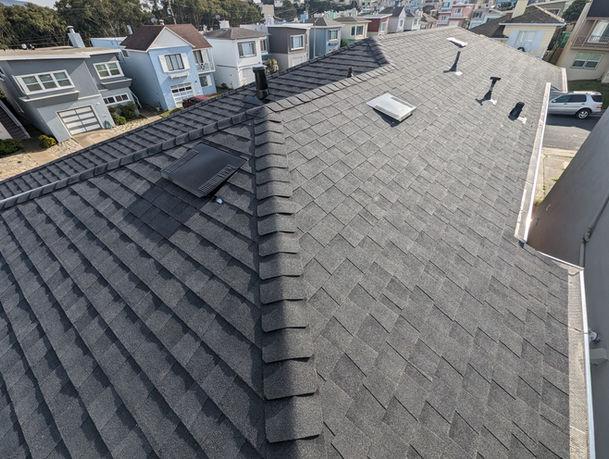
A typical shingle roof lasts 15 to 30 years, depending on material quality, installation, and weather conditions. However, real-world lifespan varies more than people expect—many roofs need Shingle Roof Replacement earlier due to poor ventilation, storm damage, or low-quality installation.
Why Shingle Roof Lifespan Isn’t Fixed
In my experience, homeowners often assume roofs fail only due to age—but that’s rarely the full story. The lifespan of a roof is influenced by multiple factors working together over time.
Key factors that affect roof longevity:
-
Material quality (3-tab vs architectural shingles)
-
Installation quality (this matters more than most people realize)
-
Climate exposure (heat, rain, wind, UV damage)
-
Roof ventilation and insulation
-
Maintenance habits
Even a high-end roof can fail early if one of these is ignored.
Average Lifespan of Different Shingle Types
Understanding the type of shingles on your roof helps you estimate when you may need Roof Shingle Replacement.
|
Shingle Type |
Average Lifespan |
|
3-Tab Asphalt Shingles |
15–20 years |
|
Architectural Shingles |
20–30 years |
|
Premium Designer Shingles |
30–40 years |
👉 Important insight: Many roofs don’t reach their “maximum” lifespan due to environmental stress and installation issues.
Signs Your Roof May Need Replacement Sooner
Age is just one indicator. These warning signs often show up before the expected lifespan ends.
Watch for these signs:
-
Curling or cracked shingles
-
Missing shingles after storms
-
Granules collecting in gutters
-
Water stains on ceilings
-
Moss or algae growth
-
Sagging roof sections
If you notice multiple signs, it may be time to Replace Roof Shingles rather than wait for leaks to worsen.
How Climate Impacts Shingle Roof Life
Weather plays a bigger role than most homeowners expect.
Common climate-related damage:
-
Heat & UV rays: Break down shingle materials faster
-
Heavy rain: Weakens underlayment over time
-
Wind: Lifts and loosens shingles
-
Temperature changes: Cause expansion and contraction
This is why two identical roofs can age very differently depending on location.
Cost Expectations: What Impacts Replacement Pricing?
When homeowners ask for an Estimate to Replace Roof Shingles, pricing varies widely based on several factors.
What affects cost:
-
Roof size and slope
-
Type of shingles used
-
Labor complexity
-
Removal of old materials
-
Structural repairs (if needed)
👉 Practical tip: Delaying replacement often increases costs due to hidden water damage.
Can You Extend the Life of Your Shingle Roof?
Yes—but only if you act early.
Simple ways to extend lifespan:
-
Schedule yearly roof inspections
-
Clean gutters regularly
-
Remove debris and moss
-
Ensure proper attic ventilation
-
Fix minor damage quickly
Small maintenance steps can delay Replacing Shingles on Roof by several years.
Repair vs Replacement: What’s the Right Choice?
This is one of the most common dilemmas.
Choose repair if:
-
Damage is limited to a small area
-
Roof is relatively new
-
No structural issues are present
Choose replacement if:
-
Damage is widespread
-
Roof is nearing end of lifespan
-
Multiple leaks are present
In many cases, repeated repairs end up costing more than a full Shingle Roof Replacement.
2026 Insight: What’s Changing in Roofing?
Modern roofing practices are evolving, and homeowners should be aware of these updates:
-
Better ventilation systems improving lifespan
-
Advanced synthetic underlayments replacing traditional felt
-
Energy-efficient shingles reducing heat absorption
-
Drone inspections for faster and safer roof assessments
These improvements are helping roofs last longer—but only when installed correctly.
Why Installation Quality Matters More Than You Think
A poorly installed roof can fail in under 10 years—even with premium materials.
From what professionals at UL Roofing often highlight, most early failures come down to:
-
Incorrect nailing patterns
-
Poor flashing installation
-
Inadequate ventilation setup
This is why choosing the right approach from the start matters more than just selecting good materials.
Final Thoughts: Don’t Wait for a Leak
A roof rarely fails overnight—it gives warning signs long before serious damage occurs.
If your roof is approaching 20+ years or showing visible issues, it’s smart to evaluate your options early. Timely action can save money, prevent interior damage, and reduce stress.
FAQs
1. How do I know when I need Shingle Roof Replacement?
Look for visible damage like curling shingles, leaks, or granule loss. Age above 20–25 years is also a strong indicator.
2. How much does it cost to replace roof shingles?
The estimate to replace roof shingles depends on size, materials, and labor, but delaying replacement can increase costs due to hidden damage.
3. Can I replace only a few shingles instead of the whole roof?
Yes, but only if the damage is localized. Widespread issues usually require full replacement.
4. How long does it take to replace a shingle roof?
Most residential projects are completed within 1–3 days, depending on roof size and complexity.
5. What happens if I delay replacing damaged shingles?
Water damage can spread to insulation, ceilings, and structure—making repairs much more expensive.
6. Do modern shingles last longer than older ones?
Yes, newer materials and installation techniques in 2026 are designed to improve durability and energy efficiency.