
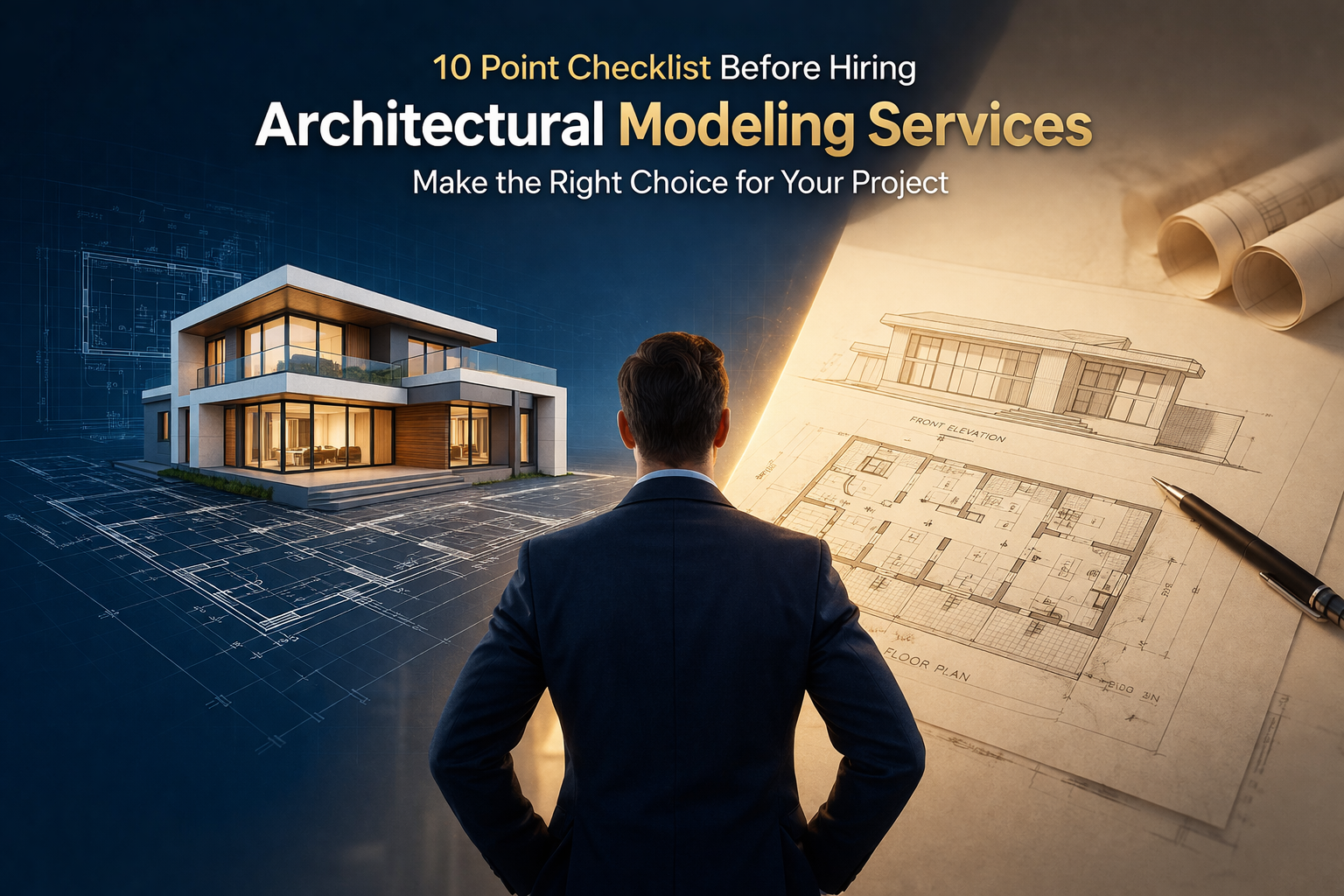
10 Point Checklist Before Hiring Architectural Modeling Services
Accurate architectural modeling forms the backbone of any successful construction or design project. A precise model prevents costly errors, keeps construction timelines on track, and ensures everyone from stakeholders to contractors shares the exact same vision. Poorly executed models, on the other hand, lead to material waste, budget overruns, and severe safety risks.
Finding the right partner to handle this critical task requires careful vetting. Choosing a provider based solely on an attractive website or a low price tag often leads to frustration. To protect your project and ensure high-quality results, you need a systematic approach to evaluating potential partners.
Use this comprehensive 10-point checklist before making your final decision on which 3d Modeling Architectural Services to hire.
1. Evaluate Technical Expertise
The foundation of any great modeling service is the technical skill of its team. Look for firms that employ qualified architects, engineers, and drafters rather than just software operators. Ask about the team's educational background and their specific experience with projects similar to yours. A team with deep architectural knowledge will spot structural inconsistencies and design flaws that a standard draftsperson might miss.
2. Review Portfolio Quality and Relevance
A company’s past work is the most reliable indicator of their future performance. Request a portfolio that showcases their range of capabilities. Do not just look at the aesthetic appeal of the renders; pay close attention to the detail, accuracy, and complexity of the models. Make sure they have successfully completed projects of a similar scale and style to your own.
3. Check Software Compatibility
Smooth collaboration requires seamless file sharing. Confirm that the modeling firm uses the same software platforms as your in-house team or contractors. Whether your workflow relies on Revit, AutoCAD, SketchUp, or ArchiCAD, the outsourced team must deliver files in the exact native formats you require. File conversion issues can cause data loss and significantly slow down your project timeline.
4. Assess BIM Capabilities
Building Information Modeling (BIM) goes far beyond basic 3D geometry. It integrates vital data about materials, costs, and structural integrity directly into the model. If your project requires a high level of development (LOD), verify that the firm has proven expertise in BIM. They should understand how to create intelligent models that assist with clash detection, quantity takeoffs, and lifecycle management.
5. Evaluate Communication Protocols
Clear and consistent communication is mandatory when working with an external team. Establish how the firm handles daily updates, feedback loops, and emergency revisions. Ask about their preferred communication channels and availability, especially if they operate in a different time zone. A reliable partner will assign a dedicated point of contact to ensure nothing gets lost in translation.
6. Understand Project Management Styles
A disorganized modeling firm will derail your project schedule. Ask potential partners about their internal project management methodology. Do they use agile frameworks? How do they handle quality assurance before delivering a milestone? Understanding their workflow helps you determine if their working style aligns with your company’s internal processes.
7. Verify Data Security Measures
Architectural models contain highly sensitive proprietary information. Before handing over your initial sketches and project briefs, investigate the firm's data security protocols. They should utilize encrypted file transfer networks, secure cloud storage, and strict internal access controls. A professional firm will gladly explain how they protect client data from cyber threats and unauthorized access.
8. Ensure Intellectual Property Protection
You must retain full ownership of your designs. Before signing any contracts, review the firm’s non-disclosure agreements (NDAs) and intellectual property (IP) clauses. The agreement should explicitly state that your company holds all rights to the final models and the underlying design concepts. Reliable partners like Archdraw Outsourcing make IP protection a standard part of their onboarding process.
9. Review Client Testimonials and Industry Reputation
Do not rely solely on the testimonials listed on a company's website. Search for independent reviews on industry forums, B2B rating platforms, and social media. Ask the firm for references and actually contact their past clients. Inquire about the firm's responsiveness, their ability to meet deadlines, and how they handled requested revisions.
10. Understand Pricing Structures and Turnaround Times
Transparent pricing prevents unexpected budget blowouts. Ask for a detailed breakdown of costs, including hourly rates, fixed project fees, and charges for additional revisions. Match these costs against their promised turnaround times. Be wary of firms offering extremely fast delivery at rock-bottom prices, as this often indicates rushed work and poor quality control.
Building a Successful Modeling Partnership
Outsourcing your architectural modeling should relieve stress, not create it. By methodically working through this 10-point checklist, you safeguard your project against incompetence, miscommunication, and data theft.
Take the time to thoroughly vet potential partners. Prioritize firms that demonstrate a strong blend of technical mastery, transparent communication, and strict security protocols. When you establish a relationship based on clear expectations and verified expertise, you set the stage for a smooth, efficient, and highly successful construction project.


