
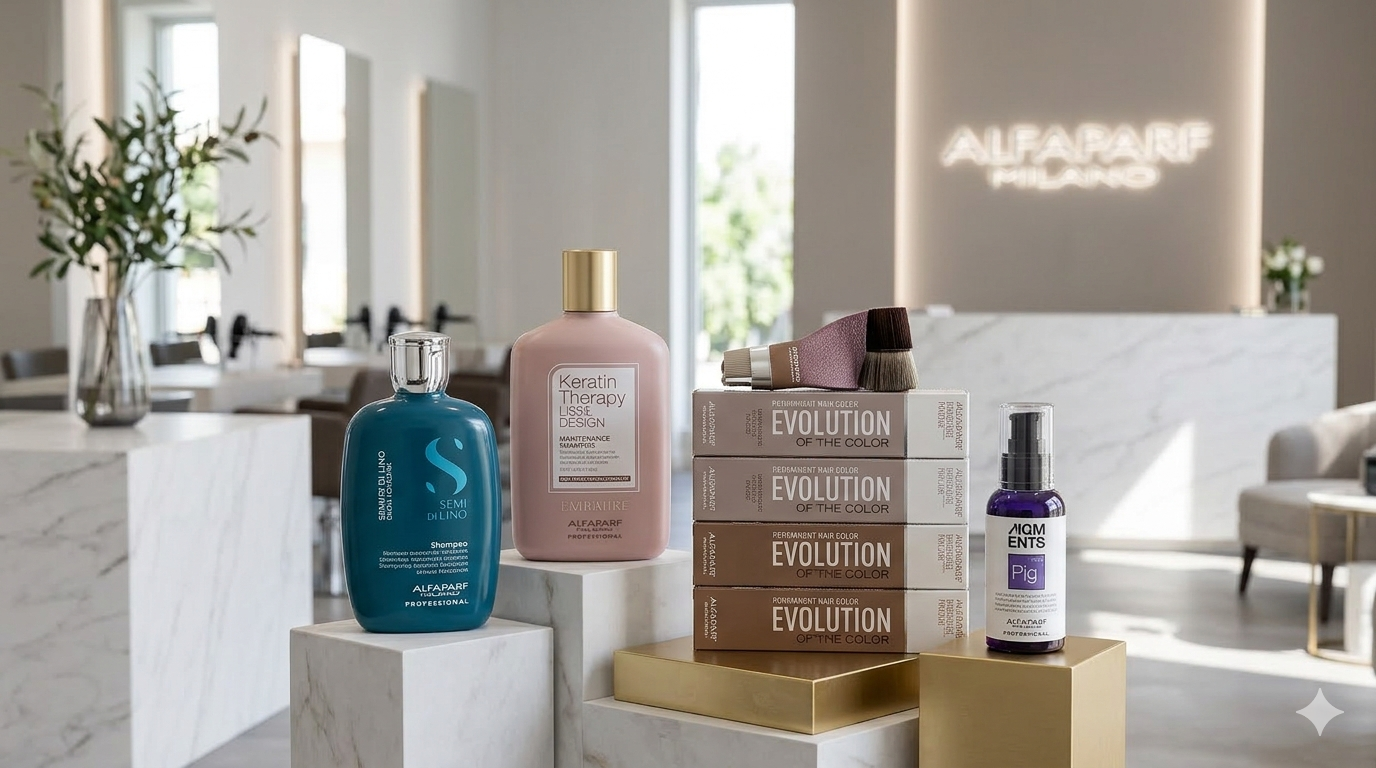
Best Alfaparf Milano Products for Dry and Damaged Hair

Your hair can look perfectly fine in the mirror. Smooth. Shiny. “Not that bad.” Then you touch it.
The brush gets stuck.
The ends feel dry and crunchy.
A few strands snap in your hands.
And suddenly you’re doing the math: “How many more washes before I have to take it all off?”
It sounds a little. But it can change your whole mood. Bad hair days don’t just sit on your head — they sit in your confidence.
And here’s a reality check: in a worldwide survey, nearly half of the participants — 48% — said hair damage was their main hair concern. So, you’re not being dramatic the whole time. Instead, you’re dealing with something real.
But here’s the good part. This is fixable.
Not with ten random products and panic trims. Even without heavy oils that only hide the problem.
In this guide, we’ll going to break down exactly what dry hair needs, what damaged hair means, and which Alfaparf Milano products make sense for your situation — so you can stop guessing and start seeing balanced, stronger hair.
Ready? Let’s get into it.
Quick Answer: Pick the Right Line Quickly
- Dry, frizzy, rough hair: go with Semi di Lino Moisture.
- Breaking, weak, over-processed hair: go with Semi di Lino Reconstruction.
- Need instant shine + smoother ends: finish with Cristalli Liquidi.
If you’re stuck between dry and damaged, don’t worry. Most people are.
Dry vs. Damaged Hair: Why “More Oil” Isn’t Enough
A Quick Self-test (no tools needed)
Your hair is mostly dry if:
-
It frizzes easily.
-
It tangles fast.
-
It feels rough, but doesn’t snap a lot.
Your hair is mostly damaged if:
-
It snaps while detangling.
-
The ends look thin or split.
-
It feels weak, even after conditioner.
The Simple Plan is If You Have Both
-
Treat damage on wash day (strength + protection).
-
Treat dryness between washes (softness + slip).
And one more thing: harsh habits can keep damaging. Dermatologists even point out small things like rubbing shampoo through your lengths or skipping conditioner can add to hair damage.
Best Alfaparf Milano Products for Dry Hair
Semi di Lino Moisture is built for dry hair that needs hydration and softness.
1) Nutritive Low Shampoo
Best for
Dry hair that needs a gentle cleanse (no “squeaky” feel).
Why it’s a top pick
It’s listed as sulfate-free (SLES FREE) on the official product page.
How to use (tiny tweak that helps a lot)
Massage shampoo into your scalp, then let it rinse through the ends. Try not to scrub the lengths.
2) Nutritive Mask
Best for
Hair that feels stiff, dull, and hard to brush.
Why it’s a top pick
It’s described as an intensive anti-dryness treatment that helps hair feel soft, shiny, and easier to brush.
How to use
After shampoo, apply to lengths and ends, leave it on for a few minutes, then rinse.
3) Nutritive Leave‑In Conditioner
Best for
The “my hair is still rough after washing” problem.
Why it’s a top pick
It’s made to soften without weighing hair down (huge win if your hair is fine).
How to use
Work it through lengths and ends on damp hair. Do not rinse.
4) Nutritive Essential Oil (vials)
Best for
When your hair feels extra dry, and nothing seems to help.
How to use
Apply it, leave it on briefly, then rinse well (it’s meant to be rinsed out).
Best Alfaparf Milano Products for Damaged Hair
If your hair is breaking, your goal is simple: less snap, more strength. Semi di Lino Reconstruction is designed for damaged hair and highlights bonding technology (A‑Z BOND) on the official line page.
Also, if your damage came from color, relaxers, or heavy chemical work, it helps to know this: dermatology guidance notes these kinds of chemicals can permanently weaken hair and make it more prone to breakage.
5) Reparative Low Shampoo
Best for
Weak, fragile hair that breaks when you detangle.
Why it’s a top pick
It’s described as gently cleansing while supporting the reconstruction process, aiming for stronger, shinier hair.
6) Reparative Mask vs. Reparative Light Mask
This choice matters more than people think.
If your hair is medium to thick
Pick Reparative Mask (made for medium-to-thick damaged hair and focused on resistance to breakage).
If your hair is fine
Pick Reparative Light Mask (recommended for fine damaged hair and built to avoid heaviness).
How to use
Use after shampoo on lengths and ends, then rinse.
7) SOS Emergency Oil (vials)
Best for
That scary stage: “My hair is snapping faster than it grows.”
Why it’s a top pick
It’s described as restoring bond density from the first application, with an anti-breakage focus.
How to use
Apply after shampooing to damp hair (vial treatment step).
8) Anti‑Breakage Daily Fluid
Best for
Fine, damaged hair — especially if you use heat tools.
Why it’s a top pick
It’s described as sealing the cuticles and creating a protective barrier, including heat protection.
How to use
Use a small amount on damp hair before styling. Focus on the ends.
The “Looks Better Today” Finisher
9) Cristalli Liquidi
This is for the days when your hair is improving, but you still want it to look smooth.
Why do people love it
It lists thermal protection up to 230°C and gives simple use directions (a couple of drops, damp or dry hair, no rinse).
How to use without overdoing it
-
Fine hair: 1 drop, ends only
-
Thick hair: 2–3 drops, mid-length to ends
A Simple Routine that Fits in Real Life
Wash Day Routine (2–3 times a week)
-
Shampoo: pick one
-
Dry hair day → Nutritive Low Shampoo
-
Breakage day → Reparative Low Shampoo
-
Mask: pick one
-
Dry → Nutritive Mask
-
Damaged → Reparative Mask (thick) or Light Mask (fine)
-
Leave-in: keep it light
-
Softness → Nutritive Leave‑In Conditioner
-
Heat days → Anti‑Breakage Daily Fluid
-
Finish (optional): Cristalli Liquidi on the ends
Between Washes (30 seconds)
-
Smooth a tiny bit of leave-in or serum on dry ends.
-
Be gentle with wet hair. It breaks more easily when it’s wet.
The “Don’t Undo Your Progress” Checklist
-
Don’t scrub shampoo through your lengths.
-
Don’t skip conditioner or masks (dry hair needs slip).
-
Turn down the heat when you can, and protect hair before styling.
Where to buy (Easy, but Important)
If you’re ordering online, choose a trusted cosmetic store that shows clear product photos, lists returns, and has real customer support. Loyalty points if it shares batch details or authenticity guidance. This matters because salon-grade products are often copied, and fake items can leave hair feeling even drier than before.
In a Nutshell
If your hair feels dry, do not overthink it. Start with Moisture for softness: shampoo, then mask, then a light leave-in so your hair stops feeling rough the second it dries.
If your hair is breaking, this is your real priority. Anchor your wash days with Reconstruction: shampoo, then the right mask for your hair thickness, then add the daily fluid if heat tools are part of your routine. That is how you reduce snapping and stop losing length to breakage.
Want the “healthy hair” look today, even while you are fixing it? Finish with a few drops of Cristalli Liquidi. It gives instant shine and smoother ends without turning hair into a greasy mess.
Now here is the part most people skip, and it is why nothing changes. Give the routine two weeks of consistent use.
Your goal is not perfect hair. Your goal is fewer bad hair days, less breakage, and hair that finally stops fighting you.
FAQs
Q1. Alfaparf Moisture vs Reconstruction: which one do I need?
A. If your hair is frizzy and rough, go for moisture. If it snaps and breaks, go to Reconstruction. Many people rotate both: Reconstruction on one wash day, Moisture on the next.
Q2. What’s the best Alfaparf shampoo for dry hair?
A. Nutritive Low Shampoo from the Moisture line is a strong pick, and it’s listed as SLES-free on the official page.
Q3. What’s the best Alfaparf for damaged hair that breaks?
A. Start with Reparative Low Shampoo, then add Reparative Mask (or Light Mask if your hair is fine). If breakage is intense, add SOS Emergency Oil for a short “rescue” phase.
Q4. Is Alfaparf shampoo sulfate-free?
A. Some Alfaparf shampoos are listed as SLES-free (a common sulfate cleanser) on their product pages, like Nutritive Low Shampoo. Always check the exact product page or label for the one you’re buying.
Q5. How many times should I use a mask for dry or damaged hair?
A. Most people do best with 1–2 times per week, depending on how rough or weak the hair feels. If hair is fine, use smaller amounts and rinse well.


