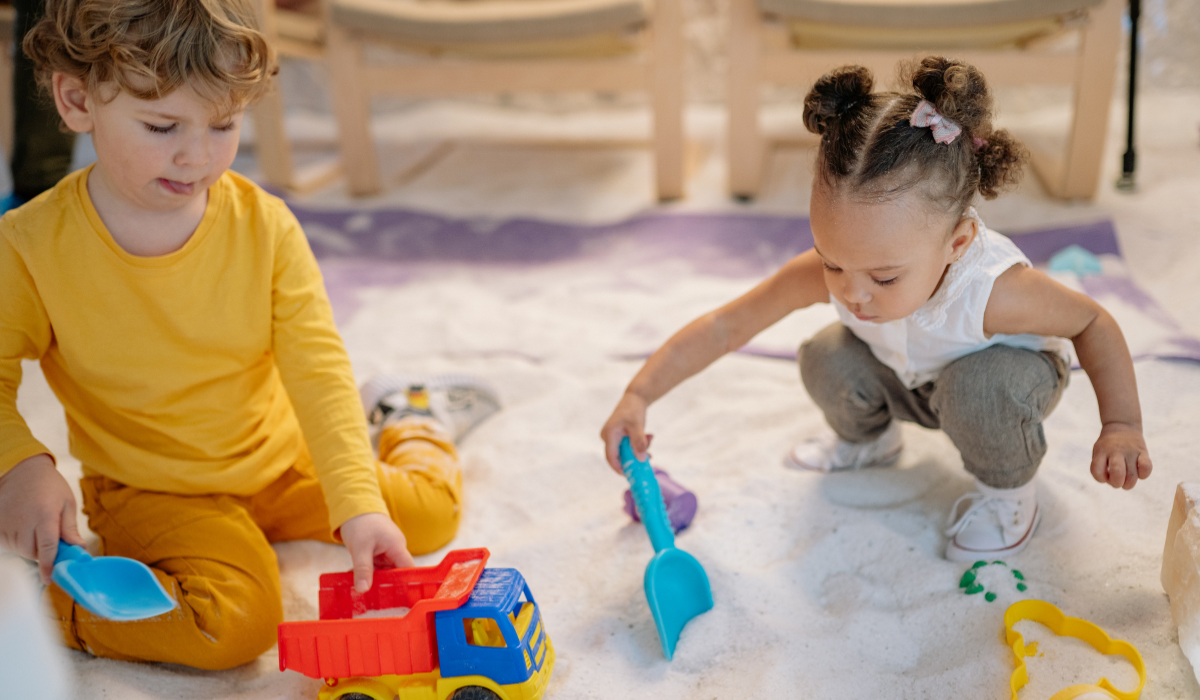
Living Room to Learning: In-Home ABA Therapy Impact

Creating a supportive environment for a child’s growth often begins at home. In recent years, in-home ABA therapy has emerged as a highly effective approach that blends professional guidance with the comfort of familiar surroundings. By turning everyday spaces into opportunities for learning, this method helps children build essential skills in a natural and meaningful way.
What Makes In-Home ABA Therapy Unique?
In-home ABA therapy focuses on delivering structured support directly within the home environment. Instead of attending sessions in a clinic, children receive guidance where they already feel most comfortable. This setting allows therapists to observe real-life behaviors and tailor strategies accordingly.
Because the therapy happens in a familiar space, children are often more relaxed and open to participation. This leads to stronger engagement and better outcomes over time. The approach is not only practical but also highly adaptable, making it suitable for a wide range of needs and routines.
Learning in Real-Life Contexts
One of the key strengths of in-home ABA therapy is its emphasis on real-world application. Skills are taught during everyday activities, making them easier to understand and remember. Whether it’s getting dressed, playing games, or helping with simple household tasks, each moment becomes a chance to learn.
For instance, a therapist may use a morning routine to teach sequencing or independence. During playtime, they might encourage communication, patience, or cooperation. These lessons are naturally integrated into daily life, which increases the likelihood that children will use these skills consistently.
Individualized Approach for Better Results
No two children are the same, and in-home ABA therapy recognizes this by offering fully customized plans. Therapists assess individual strengths and areas for improvement, then design strategies that match the child’s pace and preferences.
This level of personalization ensures that learning remains effective and engaging. Adjustments can be made in real time based on progress, allowing for a dynamic and responsive approach. Over time, this tailored support leads to more meaningful and lasting development.
The Role of Family in the Process
A defining feature of in-home ABA therapy is the involvement of family members. Parents and caregivers play a crucial role in reinforcing the skills being taught. Therapists often provide hands-on coaching, helping families understand how to apply techniques throughout the day.
This collaboration creates a consistent learning environment. When everyone is aligned, children receive the same guidance across different situations, which strengthens their ability to learn and adapt. It also empowers families with practical tools they can use independently.
Comfort Leads to Confidence
The home environment offers a sense of security that is difficult to replicate elsewhere. This comfort allows children to focus on learning without the added stress of unfamiliar surroundings. As a result, they are more likely to take initiative, try new things, and build confidence.
Familiar items such as toys, furniture, and daily routines become part of the learning process. This not only makes sessions more engaging but also ensures that skills are directly connected to real-life experiences.
Encouraging Independence Through Routine
Daily routines are an essential part of development, and in-home ABA therapy uses them as a foundation for teaching independence. Simple activities like brushing teeth, organizing belongings, or following instructions can be broken down into manageable steps.
Through repetition and guidance, children gradually learn to complete these tasks on their own. This sense of independence boosts self-esteem and prepares them for greater responsibilities in the future.
Consistency is key in this process. By practicing skills regularly within familiar routines, children are more likely to retain what they learn and apply it effectively.
Addressing Challenges in a Natural Setting
Every home has its own set of dynamics, and in-home ABA therapy allows therapists to address challenges as they occur. Whether it’s difficulty following instructions or managing transitions between activities, strategies can be implemented immediately and adjusted as needed.
This real-time problem-solving approach makes the therapy highly practical. Instead of working on hypothetical situations, children learn how to handle actual scenarios they encounter daily.
While distractions may occasionally arise, experienced therapists know how to maintain focus and adapt sessions to keep them productive.
Long-Term Benefits of In-Home ABA Therapy
The impact of in-home ABA therapy goes beyond short-term improvements. By focusing on practical skills and consistent practice, it lays the groundwork for long-term success. Children develop abilities that enhance their daily lives, from communication to self-care and beyond.
Families also benefit from this approach. As they gain a deeper understanding of effective strategies, they become more confident in supporting their child’s progress. This shared journey fosters stronger relationships and a more positive home environment.
A Flexible and Convenient Option
Another advantage of in-home ABA therapy is its flexibility. Sessions can be scheduled at times that fit the family’s routine, reducing the need for travel and minimizing disruptions. This convenience makes it easier to maintain regular sessions, which is essential for steady progress.
Additionally, the ability to work within the home allows therapists to use existing resources, making the process both practical and cost-effective.
Transforming the Home into a Learning Space
At its core, in-home ABA therapy is about transformation. It turns everyday environments into spaces where growth happens naturally. The living room becomes a place for communication practice, the kitchen becomes a setting for following instructions, and daily routines become stepping stones toward independence.
This seamless integration of learning into daily life is what sets in-home ABA therapy apart. It ensures that progress is not limited to specific sessions but continues throughout the day.
Conclusion
In-home ABA therapy offers a powerful way to support development by combining professional expertise with the familiarity of home. By focusing on real-life application, personalized strategies, and family involvement, it creates an environment where meaningful progress can thrive.
From building independence to encouraging confidence, the benefits are both immediate and long-lasting. As more families embrace this approach, the idea of turning a living room into a learning space continues to redefine how growth and development are supported at home.